Light‑Sail Technology: From Theory
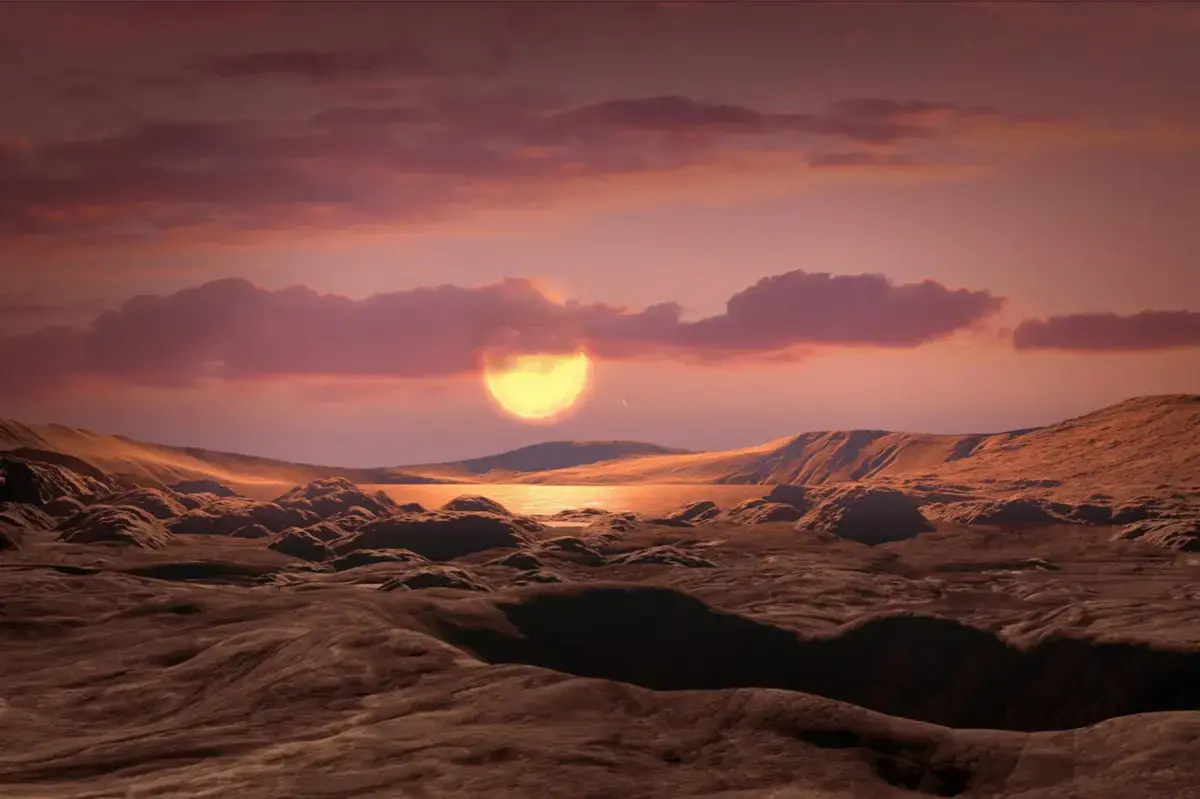
A compact probe equipped with advanced sensors could soon study LHS 1140b, a rocky world orbiting a red dwarf 48 light‑years from Earth. The planet lies in its star’s habitable zone, where temperatures may allow liquid water. Recent observations suggest the presence of an atmosphere, sparking excitement across the astronomical community.
Latest news
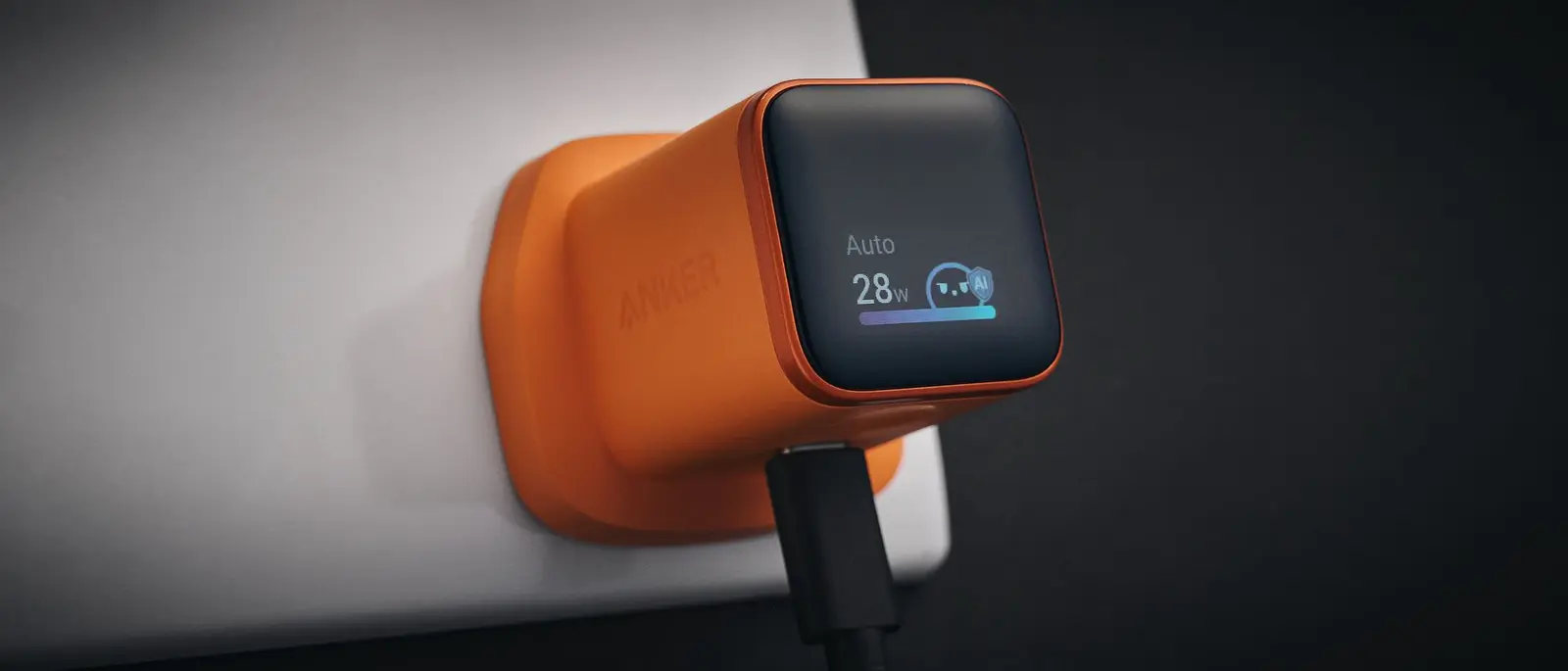 Anker Unveils Playful 45W Charger With Animated Face Display
 Google Docs Web Version Still Missing Native Dark Mode
 Anthropic-Linked Vulnerability Exploited From China, Targets US and Japan
 Text‑Based AI Agents: Your New Digital Assistants
Scientists propose launching tiny spacecraft attached to ultra‑thin sails that harness laser beams or sunlight for propulsion. These „light‑sail” probes would accelerate to a significant fraction of light speed, reaching the target system in decades rather than centuries. The concept builds on recent laboratory tests that demonstrated precise control of sail orientation using photon pressure. By embedding miniaturized spectrometers, magnetometers, and cameras, the probes could directly sample the planet’s atmospheric composition, temperature profile, and magnetic field.
The idea of laser‑driven sails dates back to the 1970s, but recent advances in high‑power laser arrays and nanomaterial fabrication have revived interest. Researchers at several institutions have built sails only a few micrometers thick, capable of withstanding intense photon flux without tearing. In a recent ground‑based trial, a sail achieved acceleration of 10 g, confirming that the required thrust is attainable. Coupled with compact, radiation‑hardened electronics, the probes could survive the harsh interstellar environment for decades. „We are moving from speculative designs to demonstrable hardware,” said Dr. Maya Patel, a project lead at the Interstellar Propulsion Laboratory.
Will Light‑Sail Missions Reach LHS 1140b in Time for Human Exploration?
The timeline for a light‑sail mission to LHS 1140b hinges on several factors. A 20‑kilowatt laser array could propel a gram‑scale probe to 0.2 c, covering the 48‑light‑year distance in roughly 240 years. If higher‑power lasers become available, speeds of 0.5 c are conceivable, shortening travel to under 100 years. Even at these rates, the mission would precede any crewed interstellar flight by centuries, but it would provide the first direct data from a potentially habitable exoplanet. „Our goal is to gather concrete evidence about the planet’s atmosphere before humanity attempts to send people there,” Patel added.
The detection of an atmosphere around LHS 1140b was achieved using transit spectroscopy, which measures starlight filtered through the planet’s gaseous envelope. Early data indicate the presence of water vapor and possibly other greenhouse gases, though the signal remains faint. A light‑sail probe could confirm these findings by performing in‑situ measurements, reducing reliance on indirect observations.
Looking ahead, international collaborations are forming to fund the construction of a dedicated laser launch facility. If successful, the technology could be adapted to explore other nearby worlds, such as Proxima Centauri b and the TRAPPIST‑1 system. The prospect of sending autonomous explorers across interstellar space marks a turning point in humanity’s quest to understand its cosmic neighborhood.
Frequently Asked Questions
How does a light‑sail probe navigate across interstellar distances? The sail’s orientation is adjusted using tiny reaction wheels and photon pressure, allowing the probe to steer and maintain its trajectory toward the target star.
What scientific instruments can fit on a gram‑scale probe? Miniaturized spectrometers, magnetometers, and high‑resolution cameras have been demonstrated, each weighing less than a milligram while delivering meaningful data.
Is the laser infrastructure safe for Earth’s environment? Proposed laser arrays would operate in remote locations, with safety protocols to prevent accidental exposure. The beams are tightly focused and only active during launch windows.
Comments
Leave a comment