
Bridging the Gap Between Software and Hardware
Physical Intelligence has launched a public beta for its new application programming interface. This move allows developers to access the company’s frontier models for both training and inference tasks. The release marks a significant step toward democratizing advanced robotics intelligence. By opening up these tools, the company aims to lower barriers for teams building autonomous machines. This initiative targets the complex challenges of deploying physical agents in real-world environments. The platform supports various use cases across different industries. It provides a standardized way to integrate sophisticated decision-making capabilities into diverse robotic systems.
Latest news
 Anthropic Unveils Claude Duet For Background AI Tasks
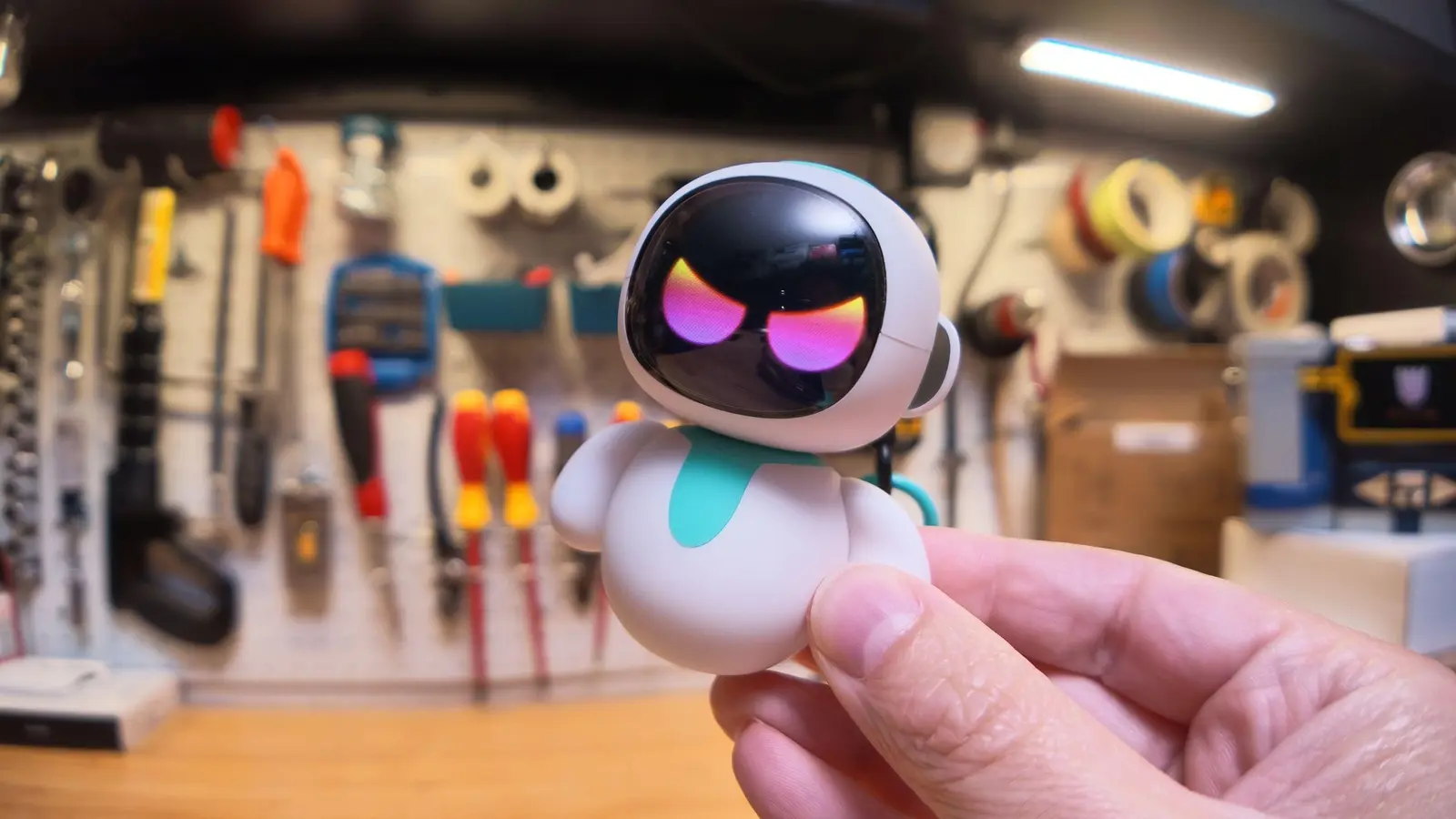 Eiliko Creator Hires Independent Security Firm After Flawy Robot Charm Exposed
 Musk Compares Optimus Robot Training to Raising a Toddler
 Atari VCS Software Store Closes in February 2027
The core challenge in robotics deployment often lies beyond just hardware design. Identifying the correct use case and constructing the appropriate physical structure are only initial steps. Developers must also solve the problem of intelligent behavior. Physical Intelligence addresses this gap by offering its latest models through the API. This approach separates the brain from the body, allowing software innovation to proceed independently of specific robot designs. The beta version enables users to test these capabilities immediately. It focuses on making high-performance AI accessible to a broader range of engineering teams. This strategy accelerates the development cycle for next-generation automation projects.
The primary value proposition of this launch is the separation of model development from physical implementation. Traditionally, creating a capable robot required deep expertise in both mechanical engineering and artificial intelligence. Now, teams can leverage pre-trained frontier models without building them from scratch. This reduces the time required to achieve reliable performance. The API facilitates rapid iteration by providing a consistent interface for model interaction. Developers can focus on tuning behaviors and integrating sensors rather than retraining foundational networks. This efficiency is critical for scaling robotic solutions in commercial settings. The company emphasizes that this infrastructure is designed for flexibility. It supports a wide array of potential applications, from industrial logistics to household assistance.
Does This Change the Robotics Development Landscape?
This launch signals a shift in how robotic intelligence is distributed. Instead of proprietary, closed systems, the industry moves toward open, interoperable standards. The availability of these models via API suggests a maturing market. It indicates that foundational AI for robotics is becoming a utility service. Companies can now plug their hardware into a shared intelligence layer. This could lead to faster competition and innovation. However, it also raises questions about dependency on a single provider for core cognitive functions. The beta phase allows early adopters to gauge reliability and performance metrics. Feedback from this group will likely shape future updates. The goal remains to make advanced autonomy a standard feature rather than a custom luxury.
The long-term consequence of this move is a more modular robotics ecosystem. Hardware manufacturers can differentiate based on form factor and durability while relying on shared AI. This specialization may drive down costs and increase adoption rates. As more developers experiment with the API, new use cases will emerge. These discoveries will feed back into the model training process. The outlook points toward a future where any physical agent can access top-tier This standardization will be crucial for achieving widespread robotic deployment. The industry stands at a pivotal moment of integration.
Frequently Asked Questions
Who can access the Physical Intelligence API beta? The beta is available to developers and engineering teams interested in robotics. Users can sign up to begin testing the training and inference capabilities immediately.
What specific problems does this API solve? It addresses the difficulty of deploying robots by separating AI development from hardware construction. Teams can use pre-built models to accelerate their project timelines significantly.
Is the API limited to specific robot types? No, the platform is designed to be universal. It supports a variety of use cases and hardware configurations, allowing for broad application across different sectors.
Comments
Leave a comment