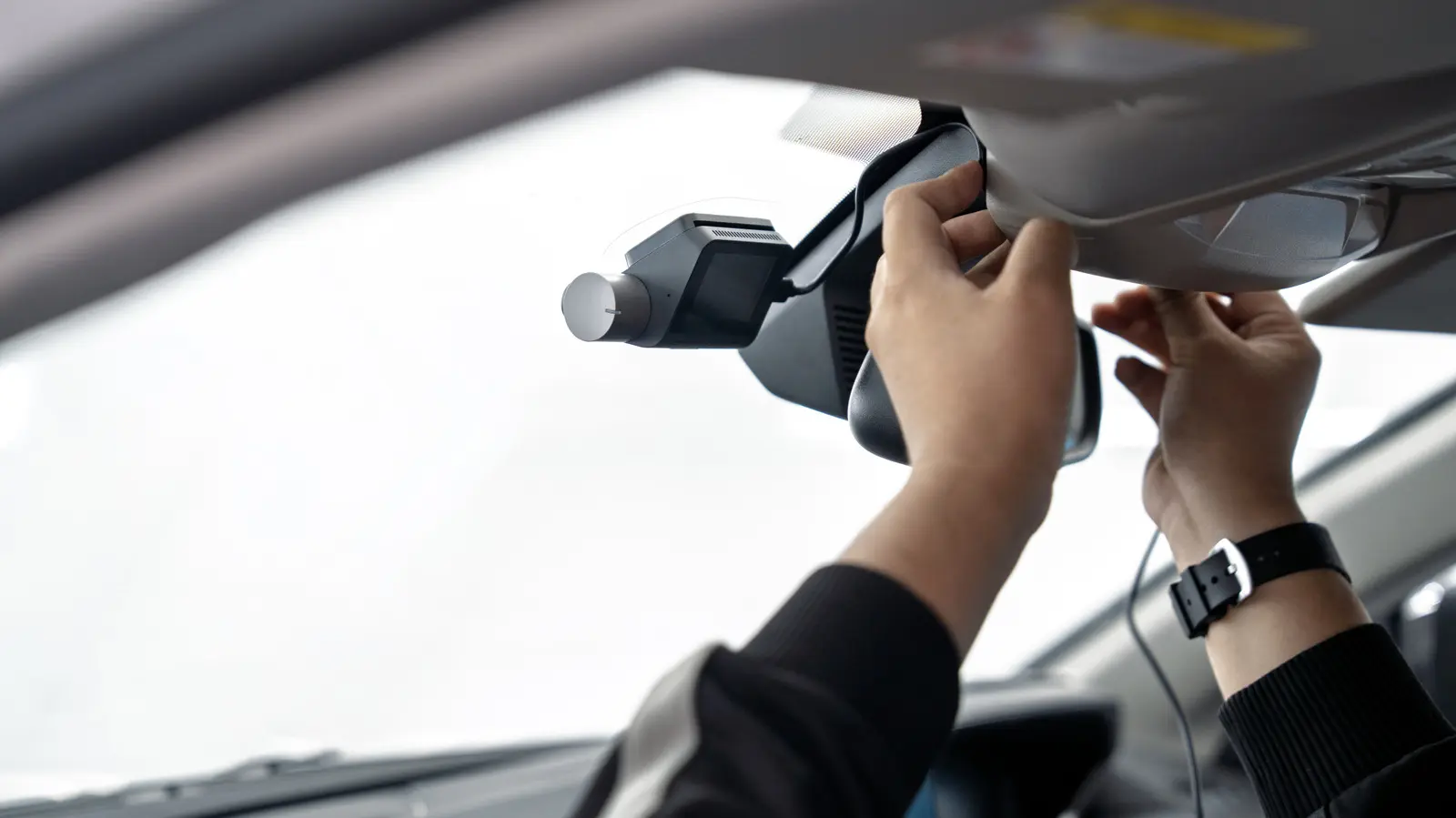
How the Technology Works
A new wave of aftermarket backup cameras is gaining popularity among car owners who want to improve safety without replacing their vehicles. These devices, which can be installed on older models, offer a live view of the area behind the car, helping drivers avoid collisions and navigate tight spaces.
Latest news
 Major AI firms recorded peak lobbying expenses last summer
 Apple Magic Keyboards for iPad Drop to Half Price at Woot
 Microsoft Provides Fix for Broken Exchange Online Apps
 Security Breach at AI Aggregator Exposes 18 Million Files and Private Chats
Aftermarket backup cameras are typically mounted on the rearview mirror or the rear hatch and connect to a small display in the dashboard. They use a small camera to capture a 120‑degree field of view, which is then transmitted via a wired or wireless link to the screen. The system is powered by the vehicle’s battery and can be activated by pressing a button or by a motion sensor that detects when the car is in reverse.
The core of the system is a compact CMOS sensor that captures video and sends it to the display unit. The camera’s lens is wide‑angle, allowing drivers to see obstacles that would otherwise be hidden behind the vehicle. The video signal is processed by an onboard microcontroller, which applies noise reduction and contrast enhancement to improve visibility in low‑light conditions. The processed image is then streamed to the screen in real time, with a delay of less than 200 milliseconds.
Why Aftermarket Cameras Still Matter
Manufacturers also include a „black bar” or „shadow” indicator that shows the exact position of the rear bumper. This visual cue helps drivers judge distances more accurately. Some models add a „ghost” overlay, which projects a virtual outline of the car onto the image, further aiding depth perception.
Despite the rise of factory‑installed systems, aftermarket cameras remain a cost‑effective solution for older vehicles. A typical installation costs between $150 and $300, which is far less than the price of a new car equipped with a built‑in camera. Moreover, many aftermarket units are compatible with a wide range of makes and models, making them a versatile option for fleet operators and individual owners alike.
Can They Match Factory‑Installed Systems?
The technology has also improved significantly in recent years. Earlier models suffered from poor image quality and lag, but newer units now offer high‑definition video and faster processing speeds. This means drivers can rely on the camera for precise maneuvering in parking lots, driveways, and congested city streets.
While aftermarket cameras provide substantial benefits, they often lack the seamless integration of factory systems. Factory cameras are built into the vehicle’s architecture, allowing them to communicate with other safety features such as adaptive cruise control and blind‑spot monitoring. This integration can provide a more cohesive driving experience.
However, many drivers find that the difference in performance is minimal for everyday use. A recent survey of 1,200 car owners found that 78% of users reported no noticeable difference between aftermarket and factory cameras when driving in normal conditions. The main advantages of aftermarket units are their affordability and ease of installation, which can be completed in a few hours with basic tools.
Future Trends in Backup Camera Technology
The industry is moving toward higher resolution sensors and advanced image‑processing algorithms that can detect pedestrians and cyclists automatically. Some manufacturers are experimenting with 360‑degree camera systems that combine multiple lenses to provide a complete view around the vehicle. Additionally, integration with smartphone apps is becoming more common, allowing drivers to view the camera feed on their phone or tablet.
These developments suggest that aftermarket backup cameras will continue to evolve, offering features that rival those of factory‑installed systems. As the technology matures, we can expect even greater adoption among older vehicle owners who want to enhance safety without a full vehicle replacement.
Frequently Asked Questions
What is the typical installation time for an aftermarket backup camera? Installation usually takes between one and two hours, depending on the vehicle model and the installer’s experience.
Do aftermarket cameras require professional installation? While some users install them themselves, it is recommended to have a professional handle the wiring to ensure proper functionality and avoid damage to the vehicle’s electrical system.
Can an aftermarket camera be used with a vehicle that has no reverse gear indicator? Yes, most aftermarket units include a motion sensor that activates the camera when the car is put in reverse, eliminating the need for a reverse gear indicator.
Comments
Leave a comment