Navigating the Labyrinth of Online Threats
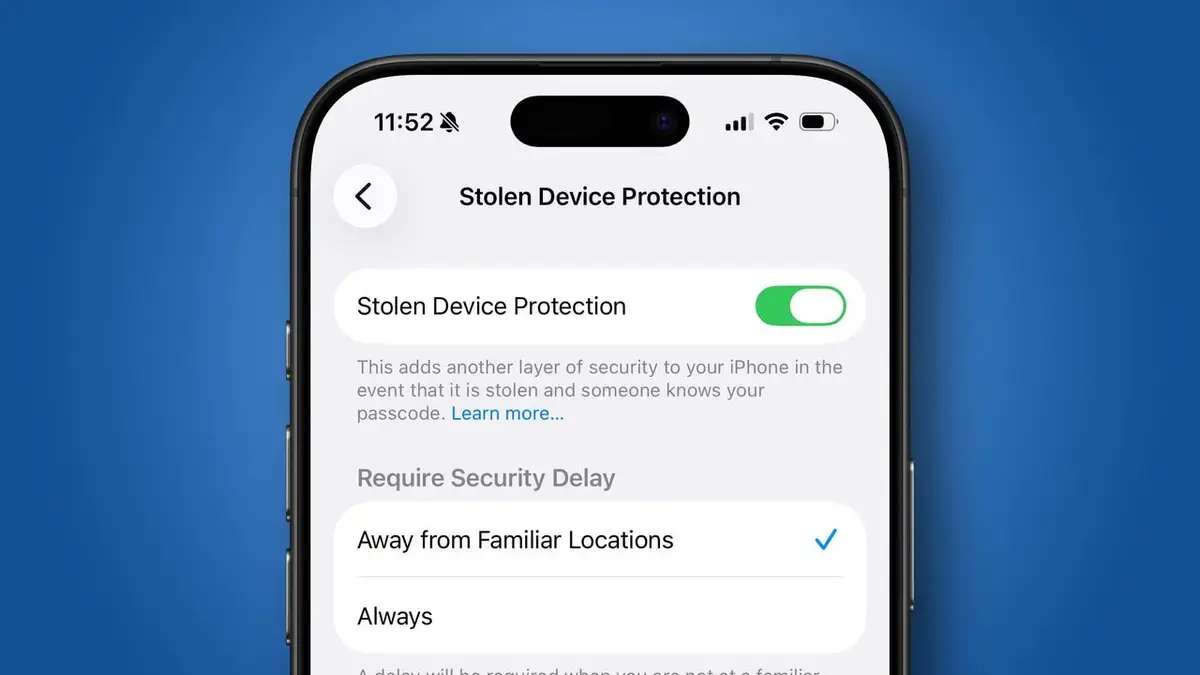
A recent exploration into online privacy reveals the complex challenges individuals face in safeguarding their digital lives. This deep dive highlights threats beyond traditional hacking, including data brokers and government surveillance. The pervasive nature of smartphones makes personal information highly vulnerable, prompting a reevaluation of digital security practices.
Latest news
 Anker Unveils Playful 45W Charger With Animated Face Display
 Google Docs Web Version Still Missing Native Dark Mode
 Anthropic-Linked Vulnerability Exploited From China, Targets US and Japan
 Text‑Based AI Agents: Your New Digital Assistants
The increasing connectivity of modern life means constant exposure to various digital risks. Many freeonline services often come at the cost of personal data. This data can then be collected and sold by brokers, often without the user's full knowledge or consent.
The journey into digital privacy uncovered a landscape filled with potential pitfalls. Beyond malicious actors like hackers and viruses, the very companies providing online services can pose a threat. Their business models often rely on monetizing user information. This makes it crucial for individuals to understand how their data is being used and by whom.
How Can Individuals Better Protect Their Information?
Protecting personal data requires a multi-faceted approach. Users must become more aware of the terms and conditions of online services they use. Employing robust security tools, such as encrypted messaging apps and virtual private networks (VPNs), can significantly enhance privacy. Regular review of privacy settings on social media and other platforms is also essential.
The current digital environment demands proactive measures from users to protect their personal information. Without vigilance, individuals risk their data being exploited or misused. This ongoing challenge requires continuous adaptation to new threats and technologies.
Frequently Asked Questions
What are data brokers? Data brokers are companies that collect personal information from various sources, such as public records and online activity. They then sell this data to other businesses for marketing or other purposes.
Why are smartphones a particular risk to privacy? Smartphones are a significant risk because they consolidate so much personal information in one device. They track location, store communications, and provide access to numerous apps that collect data.
Are freeonline services truly free? Many freeonline services are not truly free. Users often pay with their personal data, which the service provider then uses for advertising or sells to third parties.
Comments
Leave a comment