The Economics of Giant Rockets
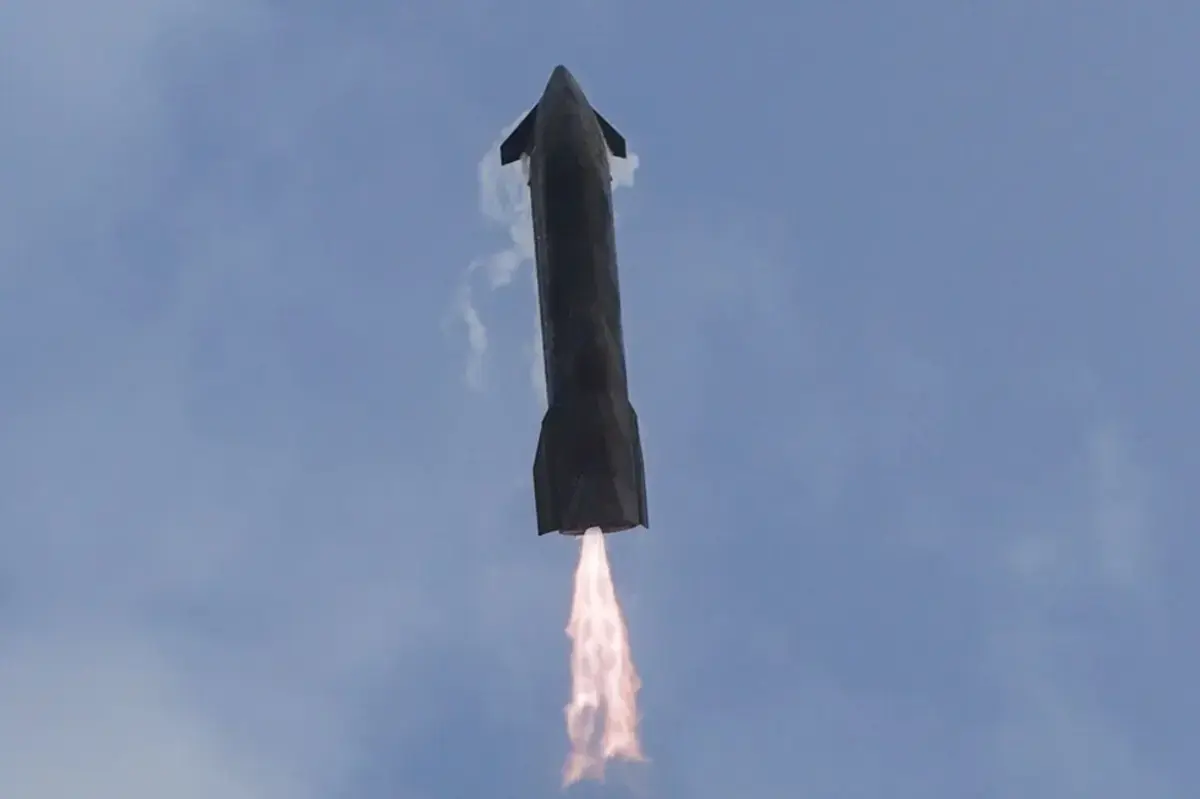
SpaceX launched its massive Starship V3 rocket last month for its 12th test flight, marking a significant milestone. The company is not alone in pursuing larger rockets, with Blue Origin also scaling up. However, a recent report raises concerns about the viability of these super-heavy launch vehicles.
Latest news
 Anker Unveils Playful 45W Charger With Animated Face Display
 Google Docs Web Version Still Missing Native Dark Mode
 Anthropic-Linked Vulnerability Exploited From China, Targets US and Japan
 Text‑Based AI Agents: Your New Digital Assistants
The report suggests that bigger isn't always better when it comes to rockets. While SpaceX's Starship V3 is more powerful than its predecessors, its increased size and complexity may not necessarily translate to greater success. The company's previous iterations have faced numerous challenges, and the latest version is no exception.
The cost of launching larger rockets is significantly higher, which could be a major obstacle to their success. Moreover, the increased complexity of these vehicles can lead to more frequent failures and maintenance issues. Experts argue that the benefits of larger rockets may not outweigh the drawbacks, particularly if smaller, more agile launch vehicles can achieve similar results.
Can Giant Rockets Be Cost-Effective?
Despite the challenges, companies like SpaceX remain committed to developing larger rockets. However, the report's findings raise important questions about the long-term viability of this strategy. If the costs associated with launching giant rockets continue to rise, it may become increasingly difficult for companies to justify the expense.
The implications of the report's findings are significant, and the space industry may need to rethink its approach to rocket development. As the industry continues to evolve, it remains to be seen whether giant rockets will ultimately prove to be a successful strategy.
Frequently Asked Questions
What are the main challenges facing giant rockets? The main challenges include higher launch costs and increased complexity, which can lead to more frequent failures. These issues may outweigh the benefits of larger rockets.
Are smaller rockets a viable alternative? Yes, smaller, more agile launch vehicles may be able to achieve similar results at a lower cost. This could make them a more attractive option for companies looking to reduce expenses.
Will SpaceX continue to develop giant rockets? Despite the challenges, SpaceX remains committed to its Starship program, and it is likely that the company will continue to develop larger rockets. However, the report's findings may prompt the company to reevaluate its strategy.
Comments
Leave a comment