How Police Are Using ALPRs and Why Citizens Are Cautious
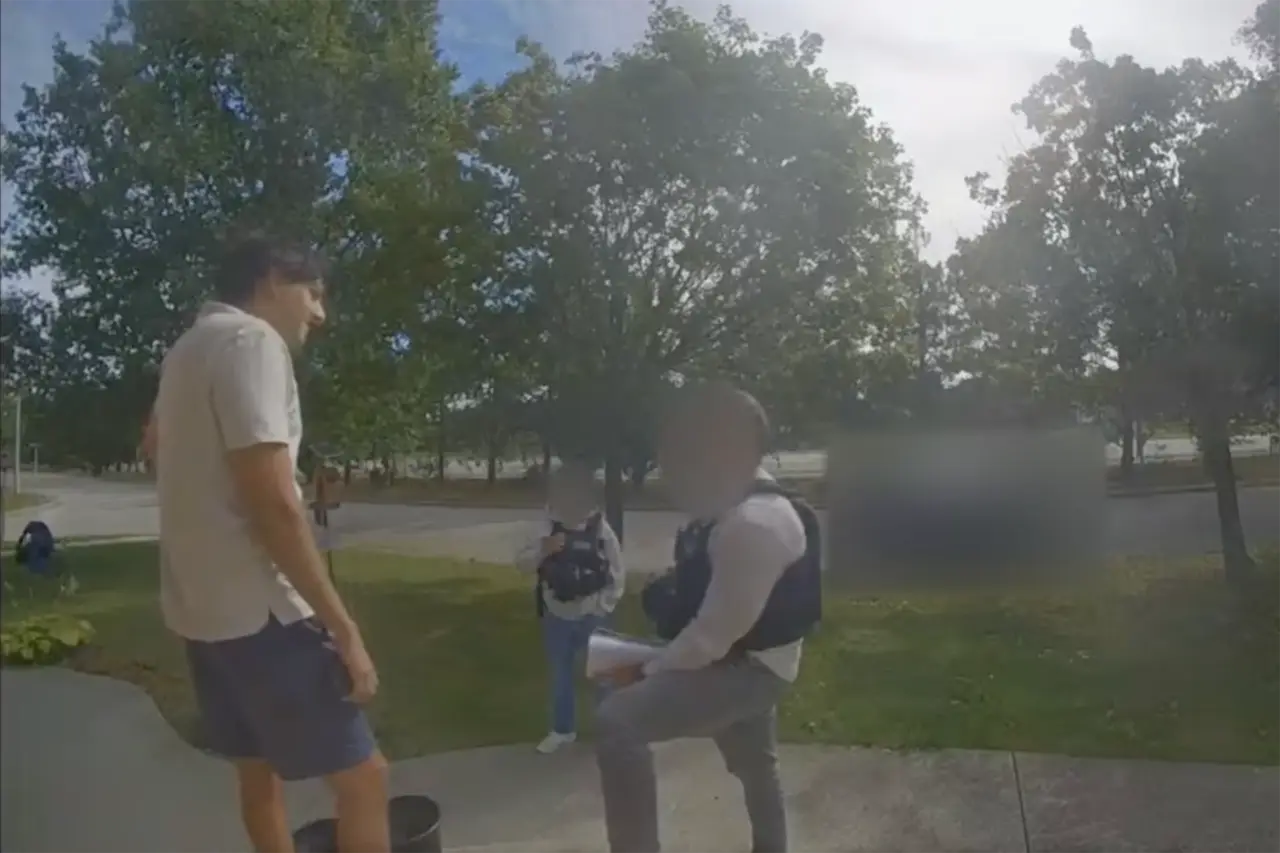
A YouTuber in California announced that police officers had visited him after he constructed a camera system similar to those used by the Flock app, designed to monitor law enforcement activity. The incident occurred last month in the San Francisco Bay Area, where the creator, who has a following of over 200,000, demonstrated the device on his channel.
Latest news
 Major AI firms recorded peak lobbying expenses last summer
 Apple Magic Keyboards for iPad Drop to Half Price at Woot
 Microsoft Provides Fix for Broken Exchange Online Apps
 Security Breach at AI Aggregator Exposes 18 Million Files and Private Chats
The video shows the maker explaining how his system captures license plates and cross‑references them with police reports. He claims the technology can reveal patterns of police activity and potentially expose misconduct. After posting the footage, local law enforcement officials reportedly reached out to the YouTuber, offering to discuss the device’s legality and potential misuse.
Automatic License Plate Recognition (ALPR) systems have become common on city streets, with thousands of cameras installed across the United States. These devices record plate numbers and store them in databases for traffic enforcement, theft recovery, and crime investigation. Police departments argue that ALPRs help solve cases quickly and deter illegal behavior.
Can Citizens Legally Track Police with ALPR‑Like Devices?
However, the public remains wary of the technology’s privacy implications. Critics say that continuous surveillance can lead to profiling and unjust targeting of certain communities. The YouTuber’s video highlighted these concerns, showing how the same cameras could be repurposed to monitor police movements, potentially revealing tactical strategies and patrol patterns.
The question of legality is complex. State laws vary, but most jurisdictions prohibit the use of devices that intercept or record police communications without authorization. While capturing license plates is generally allowed, using that data to track officers in real time may cross legal boundaries. The YouTuber’s comments suggest that he believes the system is within legal limits, but law enforcement officials have not confirmed this.
Frequently Asked Questions
Police representatives in the Bay Area stated that they are open to discussing the technology’s potential use for transparency, but also emphasized that any deployment must comply with privacy regulations and avoid compromising ongoing investigations.
The incident underscores a growing debate over the balance between public oversight and law enforcement security. As more citizens adopt surveillance tools, the conversation about who can monitor whom will intensify.
Q: Could this technology help expose police misconduct? A: Potentially, but it also risks revealing tactical information that could compromise investigations and officer safety.
Comments
Leave a comment