How the Site Works
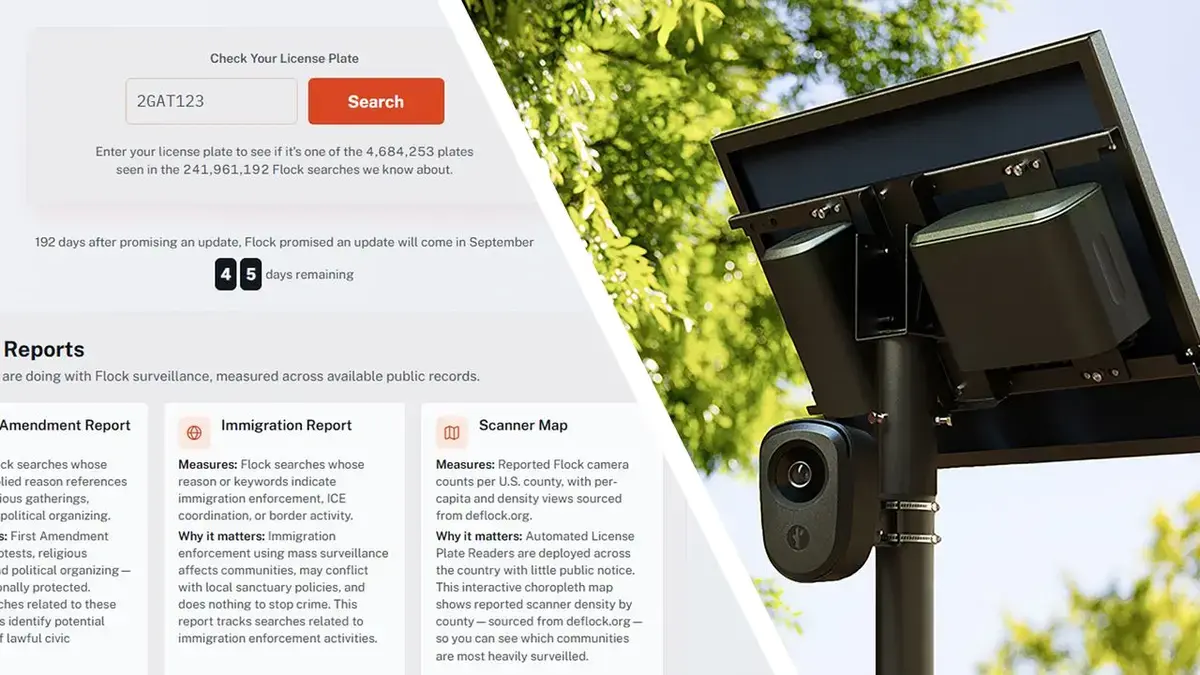
A new website launched this week lets motorists across the United States see if their license plates have been queried by police camera systems. Called „Have I Been Flocked?”, the service is free, web‑based, and promises real‑time visibility into law‑enforcement data searches.
Latest news
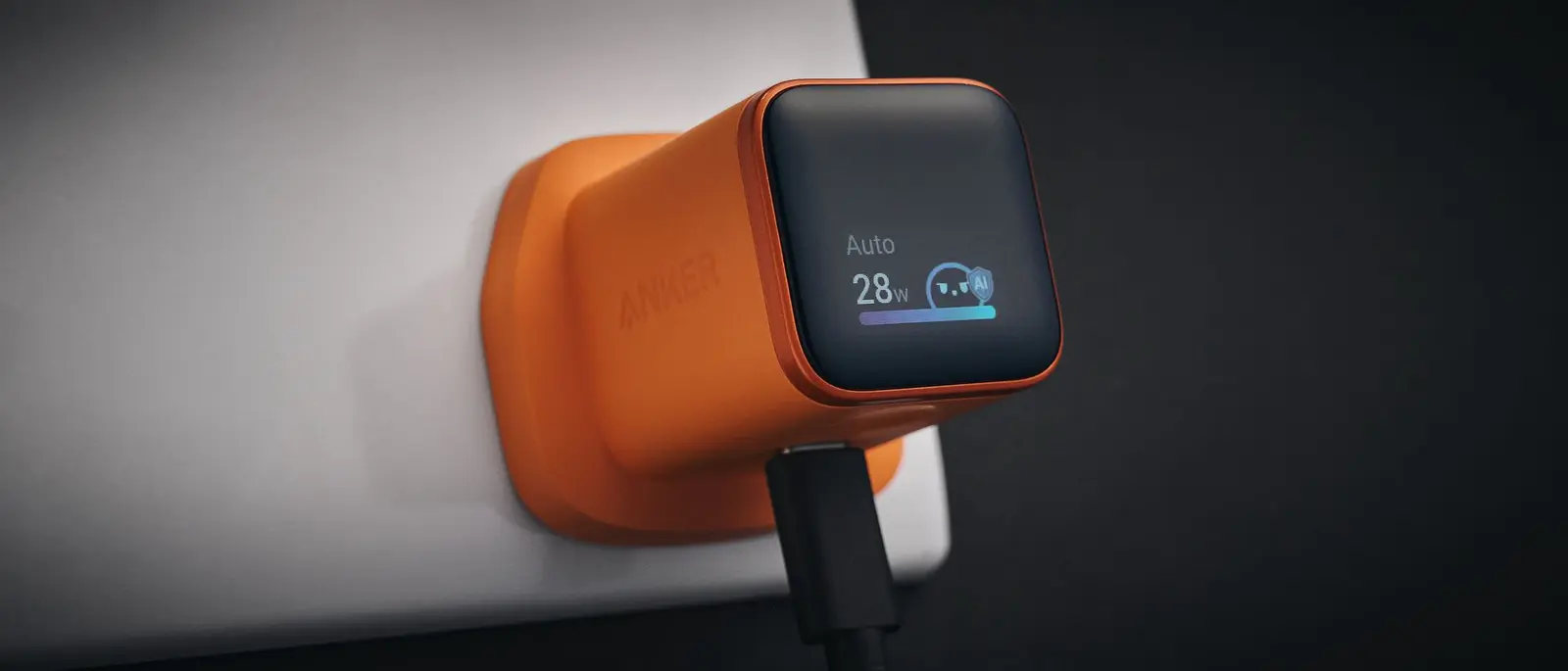 Anker Unveils Playful 45W Charger With Animated Face Display
 Google Docs Web Version Still Missing Native Dark Mode
 Anthropic-Linked Vulnerability Exploited From China, Targets US and Japan
 Text‑Based AI Agents: Your New Digital Assistants
The platform aggregates records from automatic license‑plate readers (ALPR) deployed by police departments nationwide. Users type their plate number and receive a log of any camera hits, including date, time, and the reason the vehicle was flagged. The tool emerged amid growing concerns over covert surveillance and data retention, offering a rare glimpse into otherwise opaque police databases.
After entering a plate number, the site cross‑references it with publicly released ALPR logs. If a match exists, the interface displays a timestamped entry and a brief note—often indicating a traffic stop, stolen‑vehicle alert, or routine patrol scan. Developers claim the data pulls from state‑mandated transparency portals, ensuring accuracy without breaching privacy laws. „We wanted to give citizens a simple way to audit the system that watches them,” said the site’s creator in an interview. Early usage statistics show thousands of searches per day, reflecting strong public interest.
Will Your Plate Be Seen?
Privacy advocates warn that frequent camera sweeps can create detailed movement profiles, even when drivers are innocent. The website does not reveal who initiated the search, only that a scan occurred. Critics argue this limited view may lull users into a false sense of security, while supporters argue any transparency is better than none. Law‑enforcement officials acknowledge the tool’s utility for community trust but caution that not all camera data is publicly released, meaning some queries remain hidden.
The emergence of „Have I Been Flocked?” could pressure agencies to adopt broader disclosure policies. As more drivers monitor their own exposure, legislators may consider stricter limits on data retention and sharing. For now, the site offers a practical, if incomplete, window into a surveillance network that many previously could not see.
Frequently Asked Questions
How often is the database updated? The site refreshes its records weekly, reflecting the latest publicly released ALPR logs from participating jurisdictions.
Is my personal information stored when I search? No. The service processes the plate number anonymously and does not retain search histories tied to individual users.
Can I request removal of my plate from the database? Requests must be directed to the specific law‑enforcement agency that captured the data; the website itself cannot delete entries.
Comments
Leave a comment