The Role of GatherOne
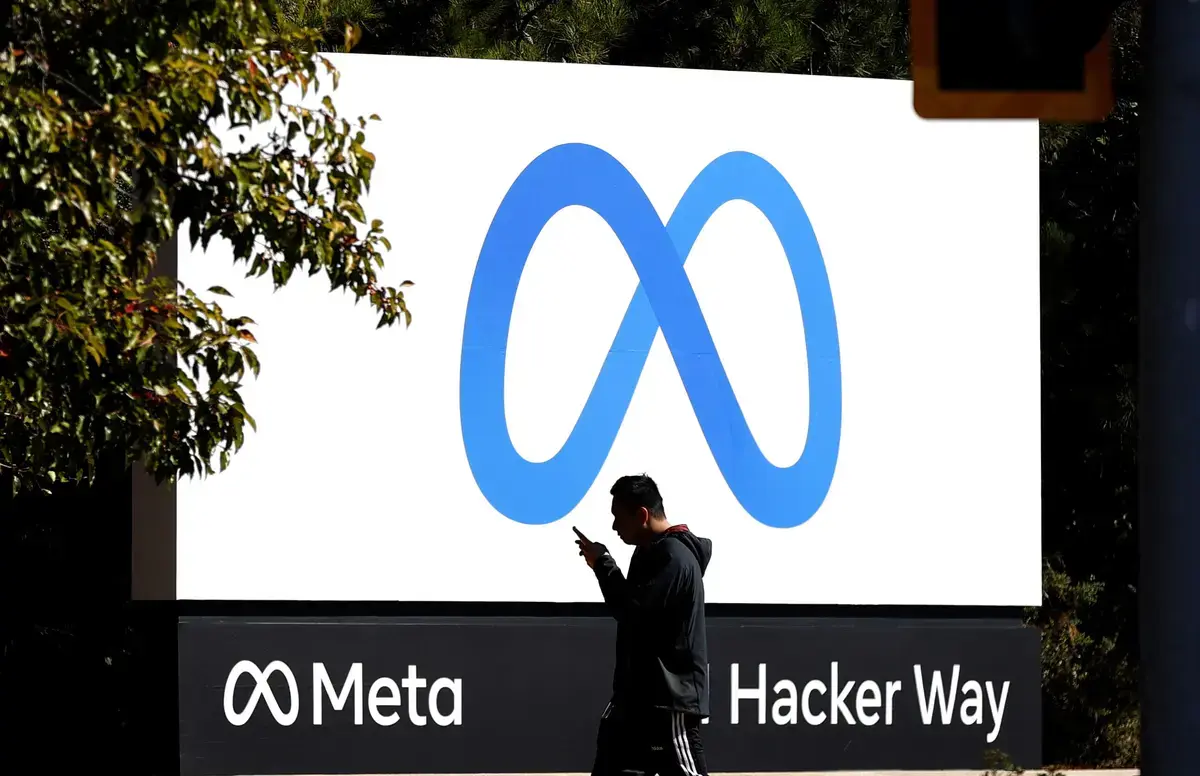
A Chinese advertising partner of Meta, GatherOne, has been linked to the promotion of artificial intelligence nudifyapplications on Instagram and Facebook. These apps use AI to digitally remove clothing from images. The connection raises serious questions about content moderation and advertising oversight within Meta's platforms.
Latest news
 Anker Unveils Playful 45W Charger With Animated Face Display
 Google Docs Web Version Still Missing Native Dark Mode
 Anthropic-Linked Vulnerability Exploited From China, Targets US and Japan
 Text‑Based AI Agents: Your New Digital Assistants
GatherOne stands as one of only eleven official advertising partners Meta maintains in China. This designation grants them significant access and influence in placing ads on Meta's global platforms. Their involvement highlights a potential vulnerability in Meta's advertising ecosystem.
How Does This Affect Meta's Advertising Standards?
The nudifyapps often target unsuspecting individuals, creating non-consensual deepfake imagery. Such content can lead to severe emotional distress and reputational damage for victims. The proliferation of these ads suggests a failure in Meta's automated and human review processes.
Meta has strict policies against sexually explicit content and non-consensual intimate imagery. The appearance of ads for nudifyapps directly contravenes these guidelines. This situation suggests a significant gap in how Meta vets its advertising partners and their campaigns.
# What is GatherOne's relationship with Meta?
The implications for user safety and privacy are substantial. Users expect a safe environment free from exploitative content. Meta faces pressure to tighten its controls over advertising partners and enhance its content review systems to prevent similar incidents.
# Why is this a concern for Meta?
Nudifyapps are artificial intelligence programs that can digitally alter images to make it appear as if a person is nude. They are often used to create non-consensual deepfake images.
This situation is a concern because it suggests that ads for prohibited content, specifically sexually explicit and non-consensual imagery, are appearing on its platforms through an official partner. This indicates potential failures in Meta's advertising policy enforcement and content moderation.
Comments
Leave a comment