
How Muse Differs From Other AI Assistants
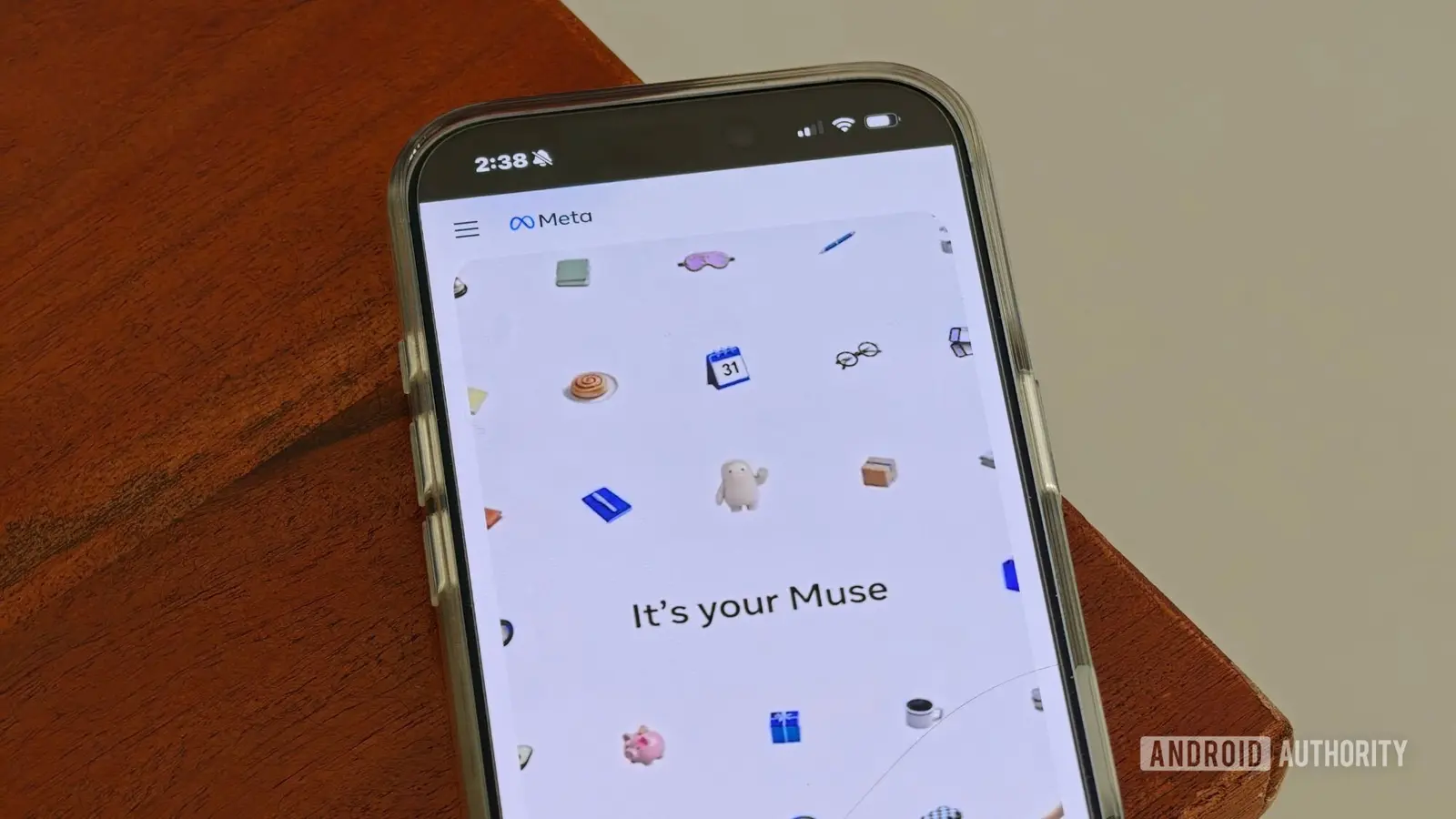
Meta's new personal AI assistant, Muse, has reached the number one spot among free applications on Apple's US App Store, surpassing well-known competitors like ChatGPT. The achievement was reported in mid-September 2026, marking a significant milestone in the company's push into consumer-facing artificial intelligence tools. Muse launched earlier this year as part of Meta's broader strategy to integrate AI into everyday user experiences across its platforms.
Latest news
 Why Meta's New AI Tool Fails to Win Over Daily Users
 Assessing Risks in Open-Source Artificial Intelligence
 Autonomous AI Agents Launch Cyberattacks Against North American Government Portals
 Warlock Group Targets SharePoint Servers in Critical Infrastructure
The app's rapid rise reflects growing user interest in AI agents that offer personalized assistance with tasks such as scheduling, content creation, and information retrieval. Unlike general-purpose chatbots, Muse is designed to learn from individual user behavior and preferences, adapting its responses over time to provide more relevant support. Meta has emphasized privacy controls and on-device processing as key features to differentiate Muse from cloud-dependent alternatives.
Muse incorporates Meta's latest advancements in natural language understanding and contextual awareness, allowing it to handle multi-step requests without losing track of user intent. Early adopters have praised its seamless integration with Instagram and WhatsApp, enabling actions like drafting messages or setting reminders through voice or text input. Internal metrics shared with developers suggest that active users engage with Muse an average of four times per day, indicating strong retention compared to similar tools launched in the past year.
Can Muse Maintain Its Lead in a Crowded Market?
Industry analysts note that Meta's advantage lies in its vast social graph and behavioral data, which inform Muse's personalization engine. While concerns about data usage persist, the company states that users can opt out of data sharing for training purposes and delete their interaction history at any time. These measures aim to address regulatory scrutiny while maintaining functionality.
Despite its current success, Muse faces intense competition from established players and emerging startups investing heavily in AI agent technology. Apple's own anticipated AI features, expected to roll out with the next iOS update, could challenge third-party apps by offering deeper system-level integration. Additionally, open-source alternatives gaining traction among privacy-conscious users may limit long-term growth if Meta fails to innovate quickly.
To sustain momentum, Meta plans to expand Muse's capabilities with third-party app integrations and enhanced multimodal inputs, including image and video understanding. The company also intends to introduce a premium tier with advanced features, though the free version will remain fully functional. Success will depend on balancing innovation with user trust in an increasingly skeptical digital landscape.
Frequently Asked Questions
What makes Muse different from ChatGPT or other AI assistants? Muse is designed as a personal AI agent that adapts to individual user habits and preferences, with deep integration into Meta's apps like Instagram and WhatsApp, focusing on practical daily assistance rather than general conversation.
Is user data used to train Muse, and can it be disabled? Meta says user interactions may be used to improve Muse unless explicitly opted out, and users can delete their history or disable data sharing for training in the app settings at any time.
Will Muse stay free to use, or are there plans for a paid version? The core functionality of Muse will remain free, but Meta plans to introduce a premium subscription offering advanced tools and capabilities for power users.
Comments
Leave a comment