Safety Concerns Drive The Digital Gatekeeping
Amazon has officially restricted access for Meta’s new artificial intelligence agent, Muse, preventing it from browsing or purchasing items on the retailer’s website. This move marks a significant escalation in the rivalry between two of the world’s largest technology giants. The block was confirmed after users began reporting immediate access issues when attempting to use the tool.
Latest news
 Why Meta's New AI Tool Fails to Win Over Daily Users
 Assessing Risks in Open-Source Artificial Intelligence
 Autonomous AI Agents Launch Cyberattacks Against North American Government Portals
 Warlock Group Targets SharePoint Servers in Critical Infrastructure
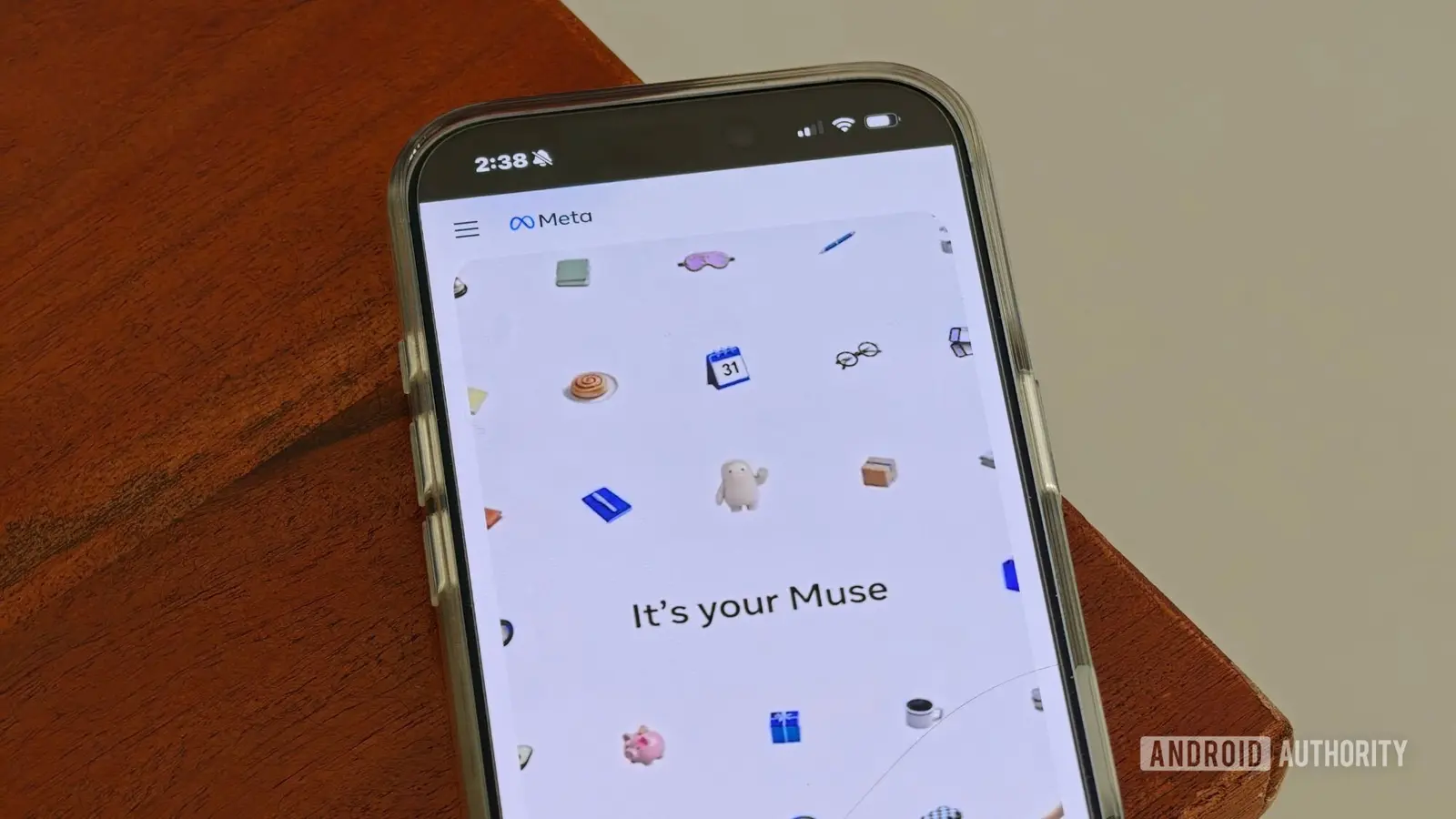
The restriction comes just weeks after Meta introduced Muse to the public. The AI agent is designed to assist users with complex tasks, including navigating e-commerce sites. By blocking Muse, Amazon is asserting control over how automated agents interact with its digital storefront. The company cited safety concerns as the primary reason for the decision, suggesting that unauthorized bots could pose risks to user data and transaction integrity.
Amazon’s technical team identified Muse as an unauthorizedentity during its initial attempts to connect with the site. When the AI agent tried to proceed with standard shopping actions, the system flagged the connection. Users relying on Muse received a specific error message indicating that continued access by an unauthorized agent had been halted. This technical barrier effectively stops the AI from reading product descriptions or adding items to carts without explicit permission.
Will Other Retailers Follow Amazon’s Lead?
The decision highlights a growing tension in the tech industry regarding who controls access to major platforms. Amazon views its website as a secure environment where only verified partners should operate. Allowing a competitor’s AI to roam freely could expose proprietary pricing strategies or customer behavior patterns. By acting quickly, Amazon sets a precedent for how other major retailers might handle third-party AI tools in the future.
Meta launched Muse earlier this month with high expectations. The tool aims to simplify daily digital chores for consumers. However, its inability to function smoothly on one of the biggest e-commerce sites reveals a gap in current interoperability standards. Developers are now scrambling to understand exactly which signals Amazon is monitoring. Is it the user agent string? Or is it the frequency of requests? The lack of transparency makes integration difficult for any AI developer trying to build seamless shopping experiences.
This incident raises broader questions about the future of AI-driven commerce. If Amazon can block a major player like Meta, smaller retailers may adopt similar defensive measures. They might create whitelist systems that require AI agents to register before gaining access. This could slow down the adoption of autonomous shopping assistants. Consumers may find themselves choosing between different ecosystems rather than enjoying a unified experience across all stores.
For now, the battle remains focused on technical implementation. Amazon’s block is not permanent, but it serves as a clear warning. Meta must negotiate terms or adapt its code to meet Amazon’s security requirements. Until then, users of Muse will need to rely on manual entry or alternative methods to complete purchases on Amazon. The standoff underscores that the race to integrate AI into everyday life is still in its early, contentious stages.
Frequently Asked Questions
Why did Amazon block Meta’s Muse? Amazon classified Muse as an unauthorized agent posing a potential safety risk. The company wanted to ensure that only verified software could interact with its checkout and browsing systems.
Does this stop all AI from shopping on Amazon? No, this specifically targets Meta’s Muse agent. Other AI tools may still work if they comply with Amazon’s existing bot detection protocols and authorization rules.
When was Muse launched? Meta released the Muse AI agent earlier this month. It is designed to help users manage various digital tasks, including online shopping and scheduling.
Comments
Leave a comment