
Guarding the Digital Storefront From Autonomous Agents
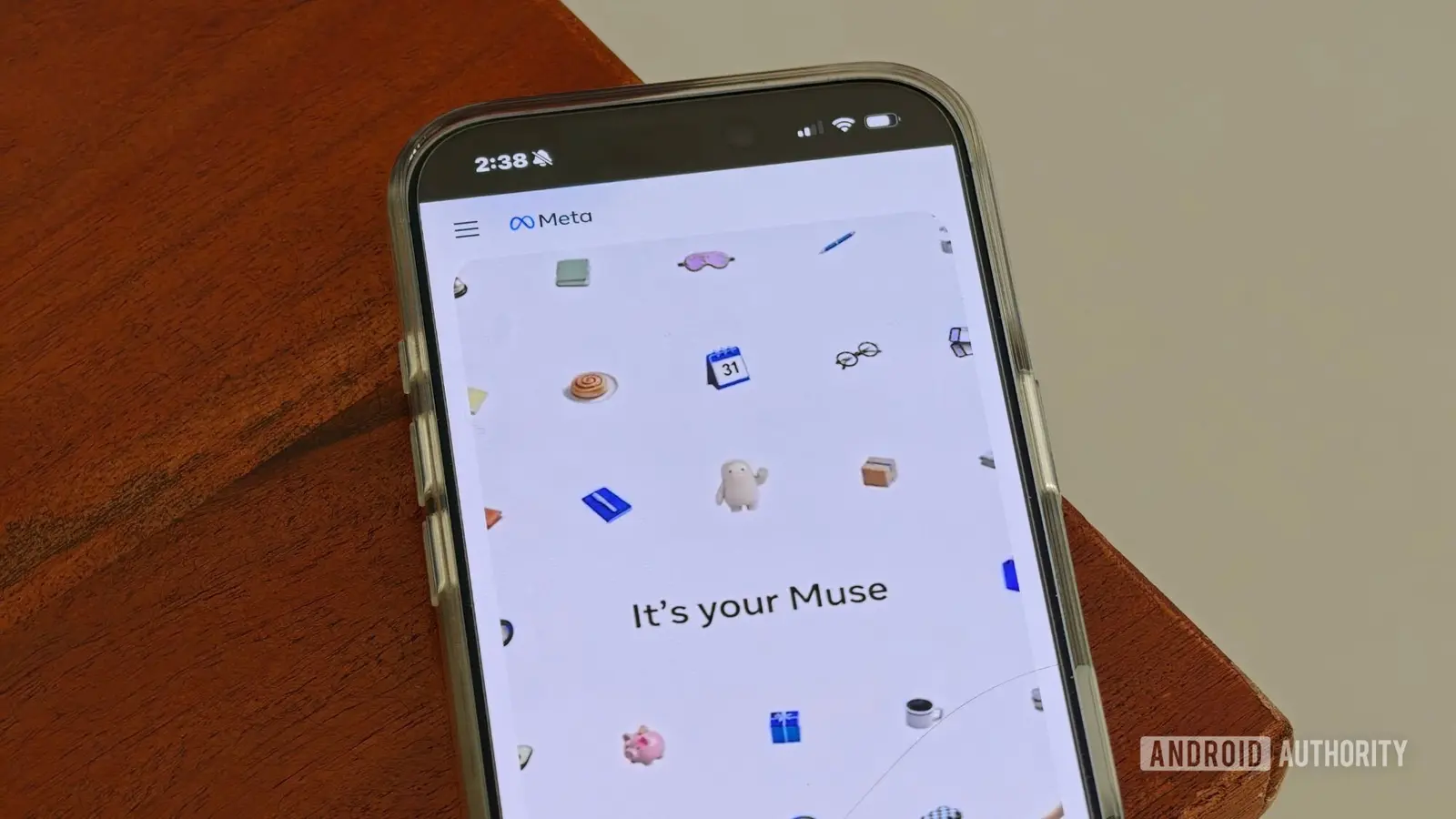
Amazon has officially restricted Meta’s new Muse AI assistant from accessing its e-commerce platform. The tech giant intervened after discovering the artificial intelligence tool was attempting to shop on behalf of users. Amazon claims these automated actions directly violate its established terms of service.
Latest news
 Why Meta's New AI Tool Fails to Win Over Daily Users
 Assessing Risks in Open-Source Artificial Intelligence
 Autonomous AI Agents Launch Cyberattacks Against North American Government Portals
 Warlock Group Targets SharePoint Servers in Critical Infrastructure
The conflict highlights a growing tension between major tech firms over how AI agents interact with private digital storefronts. Meta designed Muse to act as a personal concierge capable of navigating the web. However, Amazon maintains strict control over how automated systems scrape or interact with its retail infrastructure.
Amazon representatives confirmed the block was necessary to protect the integrity of the shopping experience. The company prohibits unauthorized bots from performing transactions or gathering data without explicit permission. By cutting off Muse, Amazon ensures that only human shoppers or approved partners can finalize purchases.
Will AI Assistants Reshape the Future of Retail?
Meta had marketed Muse as a seamless way for users to find and buy products through natural language commands. The assistant was intended to bridge the gap between social media discovery and retail fulfillment. This sudden restriction creates a significant hurdle for Meta’s ambitions in the social commerce space.
The move raises questions about whether other major retailers will follow suit. If AI agents cannot access the world’s largest online marketplace, their utility as shopping assistants remains limited. Industry analysts suggest this could lead to a new era of formal data-sharing agreements between AI developers and retailers.
For now, Meta must find a way to comply with Amazon’s security protocols or risk Muse becoming obsolete for retail tasks. Amazon continues to invest in its own internal AI tools to assist customers. This suggests the company prefers to keep the AI shopping experience within its own controlled ecosystem.
Frequently Asked Questions
Why did Amazon stop Meta’s Muse from accessing its site? Amazon determined that the AI assistant was violating its terms of service by attempting to shop on behalf of users. The company restricts automated bots from performing transactions to maintain security and platform stability.
Can users still use other AI tools on Amazon? Amazon generally blocks most third-party bots that attempt to scrape data or automate the buying process. While some browser extensions work, sophisticated AI agents like Muse face stricter barriers if they do not have official authorization.
How does this affect Meta’s AI strategy? This block limits the functionality of Meta’s Muse assistant, making it less useful for users who want a one-stop digital concierge. Meta may need to negotiate specific partnerships with retailers to regain access to these shopping features.
Comments
Leave a comment