
Why X Is Pursuing the Code Behind Nitter
Elon Musk’s X issued cease-and-desist letters demanding the shutdown of Nitter, an open-source alternative front end for Twitter, and the removal of its source code from public repositories. The legal move targeted both the main public instance, Nitter.net, and the underlying code that allows developers to run independent versions of the service. The action followed growing use of Nitter as a privacy-focused way to access Twitter content without ads, tracking, or algorithmic feeds. Developers and users relied on the platform to bypass X’s interface while still viewing public posts.
Latest news
 Corsair Vengeance DDR5-6000 Kit Offers Ideal Speed for AMD Builds
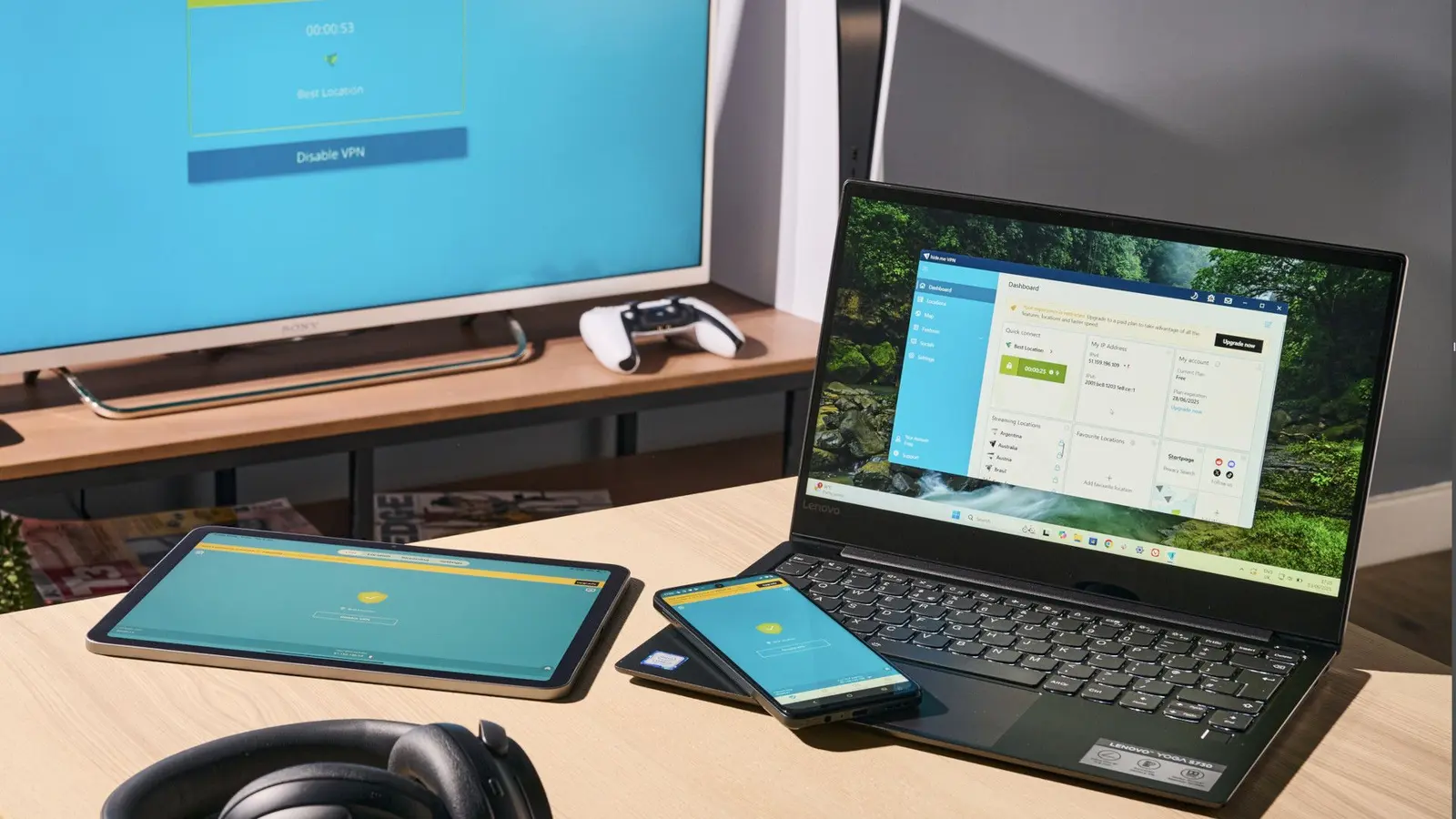 Hide.me VPN releases major Android update
 Hackers launch massive PHP2Shell attack wave
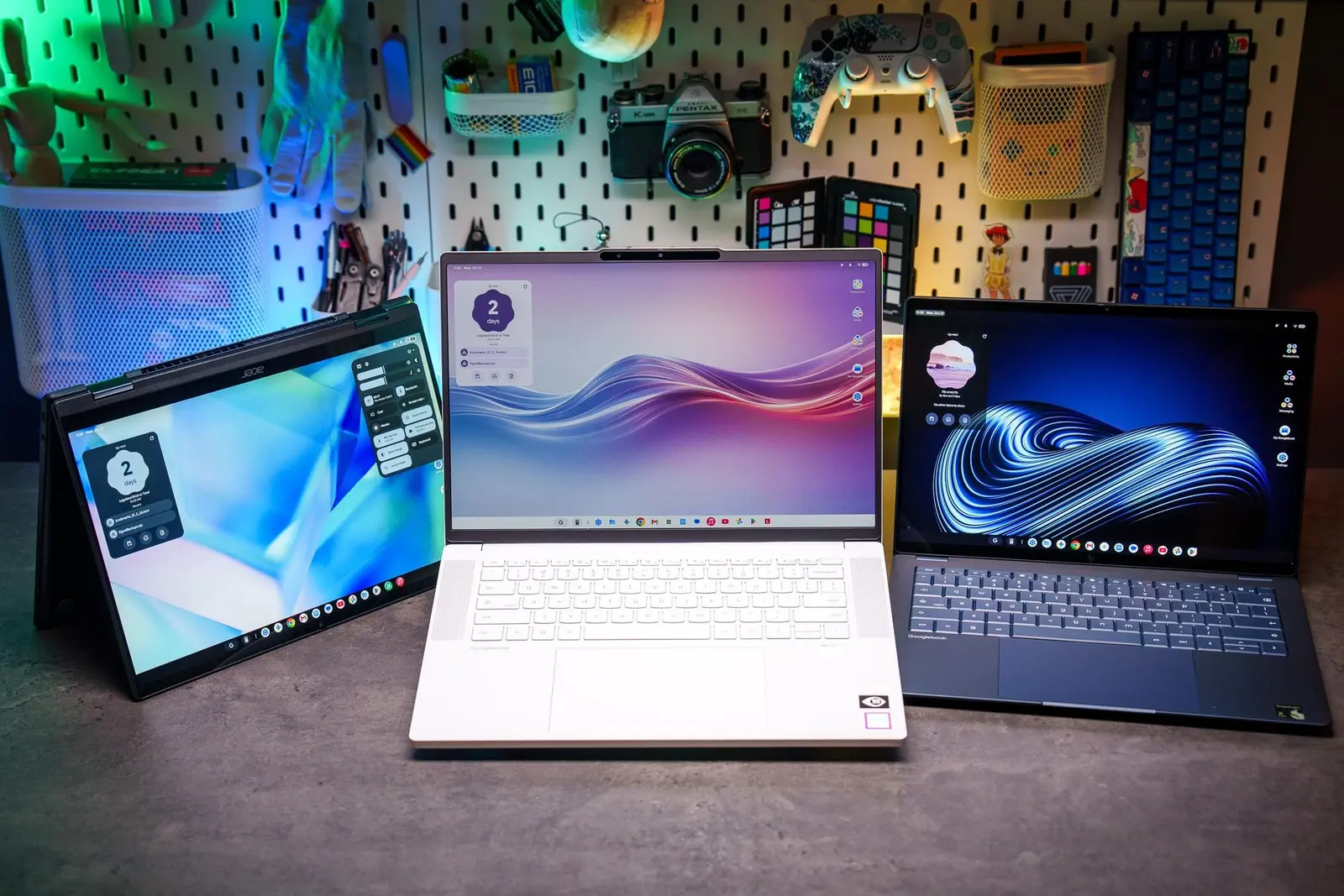 Googlebooks are not yet ready for prime time
X’s legal team argued that Nitter violated its terms of service by scraping public data and offering an alternative interface that circumvented platform controls. The cease-and-desist letters specifically demanded the deletion of the project’s GitHub repository, claiming copyright infringement and unauthorized use of X’s infrastructure. However, Nitter’s developers maintained that the tool only accessed publicly available tweets and did not require authentication or API keys. They emphasized that the project was non-commercial and designed to enhance user privacy, not to compete directly with X’s services. The move raised concerns among open-source advocates about the limits of legal pressure on tools that repackage public information.
Can Developers Keep Nitter Alive After the Legal Threat?
Despite the cease-and-desist, several independent instances of Nitter remain operational, hosted by volunteers in different jurisdictions. The source code has been forked and archived across multiple platforms, making complete removal difficult. Legal experts note that while X can pressure specific domains or repositories, it cannot easily erase code that has already been distributed. The situation highlights tensions between platform control and the right to access public information through alternative means. Supporters of Nitter argue that such tools serve a public interest by reducing surveillance and improving accessibility, especially for users in regions with restricted internet access.
What was Nitter used for? Nitter allowed users to view Twitter content without ads, tracking, or algorithmic filtering, offering a simpler and more private way to read public posts.
Frequently Asked Questions
Is it still possible to use Nitter? Yes, while the main instance Nitter.net was taken down, other independent instances continue to run, and the source code remains available through community forks.
Does X have the legal right to stop Nitter? X claims the tool violates its terms, but legal scholars debate whether accessing public data via scraping constitutes infringement, especially when no login or API is used.
Comments
Leave a comment