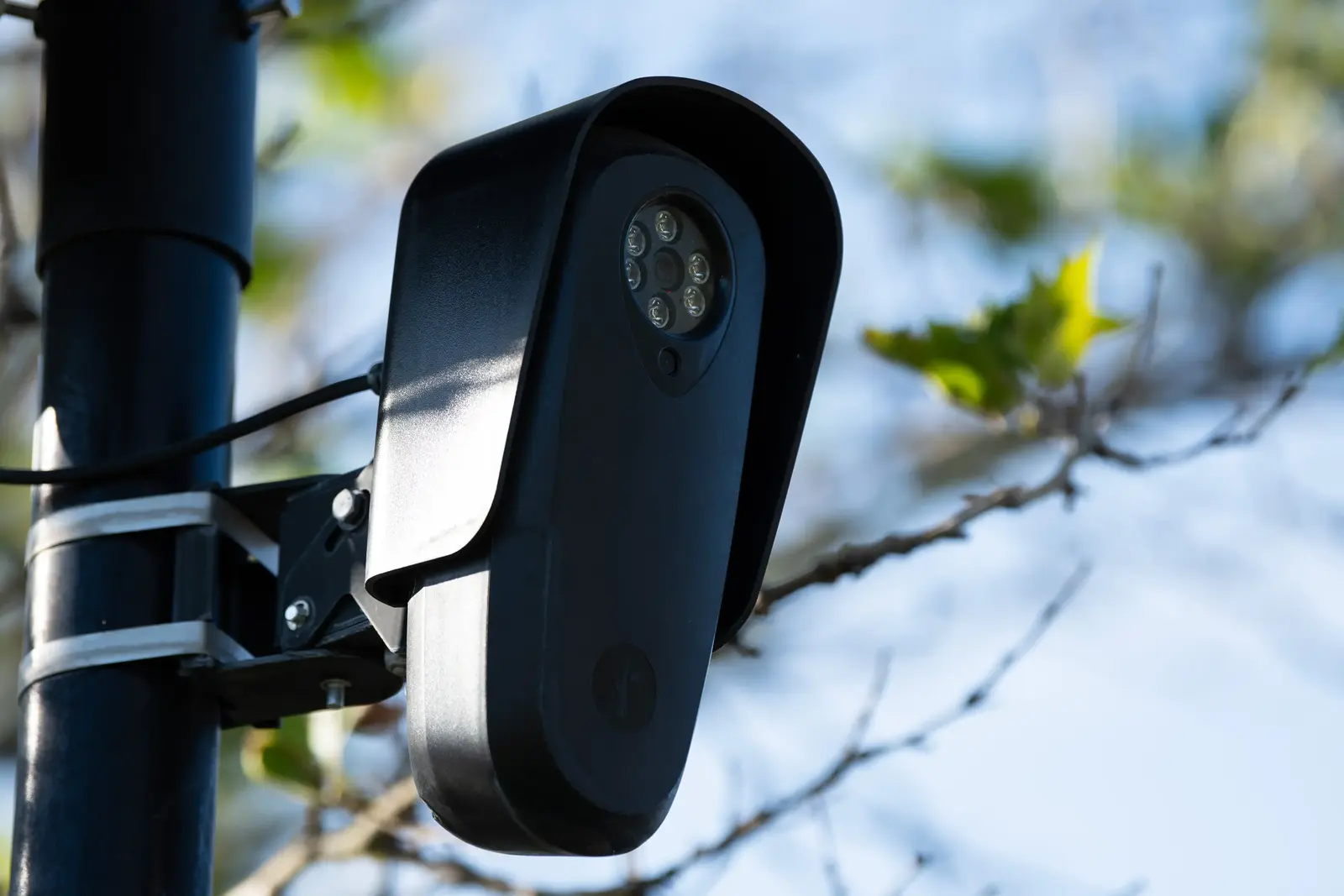
The Rising Pressure for Strict Oversight
Communities across the country are facing mounting concerns regarding the widespread deployment of automated license-plate readers and public safety cameras by Flock Safety. These interconnected surveillance networks generate massive logs of sensitive location data every single day. While law enforcement agencies credit the technology with solving major crimes, privacy advocates warn of unprecedented tracking capabilities.
Latest news
 Why Meta's New AI Tool Fails to Win Over Daily Users
 Assessing Risks in Open-Source Artificial Intelligence
 Autonomous AI Agents Launch Cyberattacks Against North American Government Portals
 Warlock Group Targets SharePoint Servers in Critical Infrastructure
The debate centers on how police departments utilize these vast databases. Officers across different jurisdictions can easily search the recorded location histories without obtaining warrants. This cross-agency sharing transforms localized traffic monitoring into a broader tracking apparatus. Critics argue that storing millions of private movements creates severe risks for civil liberties and personal privacy.
Can Privacy Coexist With Automated Tracking?
As usage patterns become clearer, lawmakers and community leaders are pushing for legislative guardrails. The debate has shifted from whether these surveillance networks should exist to how society can control them. Clear boundaries are urgently needed to prevent overreach and misuse of collected data.
Transparency remains a central demand for communities hosting these devices. Citizens want to know exactly who accesses the location logs and how long the information is retained. Without mandatory auditing and strict data minimization rules, the potential for abuse continues to grow unchecked.
Balancing modern law enforcement needs with constitutional rights remains a critical challenge for municipal leaders. Jurisdictions that fail to implement robust safeguards risk alienating the public and facing legal challenges. The path forward requires strict accountability measures before these camera networks expand further.
Frequently Asked Questions
What kind of data do these automated cameras collect? The devices primarily log vehicle license plates along with timestamps and location coordinates. This information builds a searchable history of public movements.
Who has access to the recorded location logs? Participating law enforcement agencies across different jurisdictions can search the database to track vehicle movements during investigations.
Comments
Leave a comment