Why Visibility Matters for Public Trust in Wearable Tech
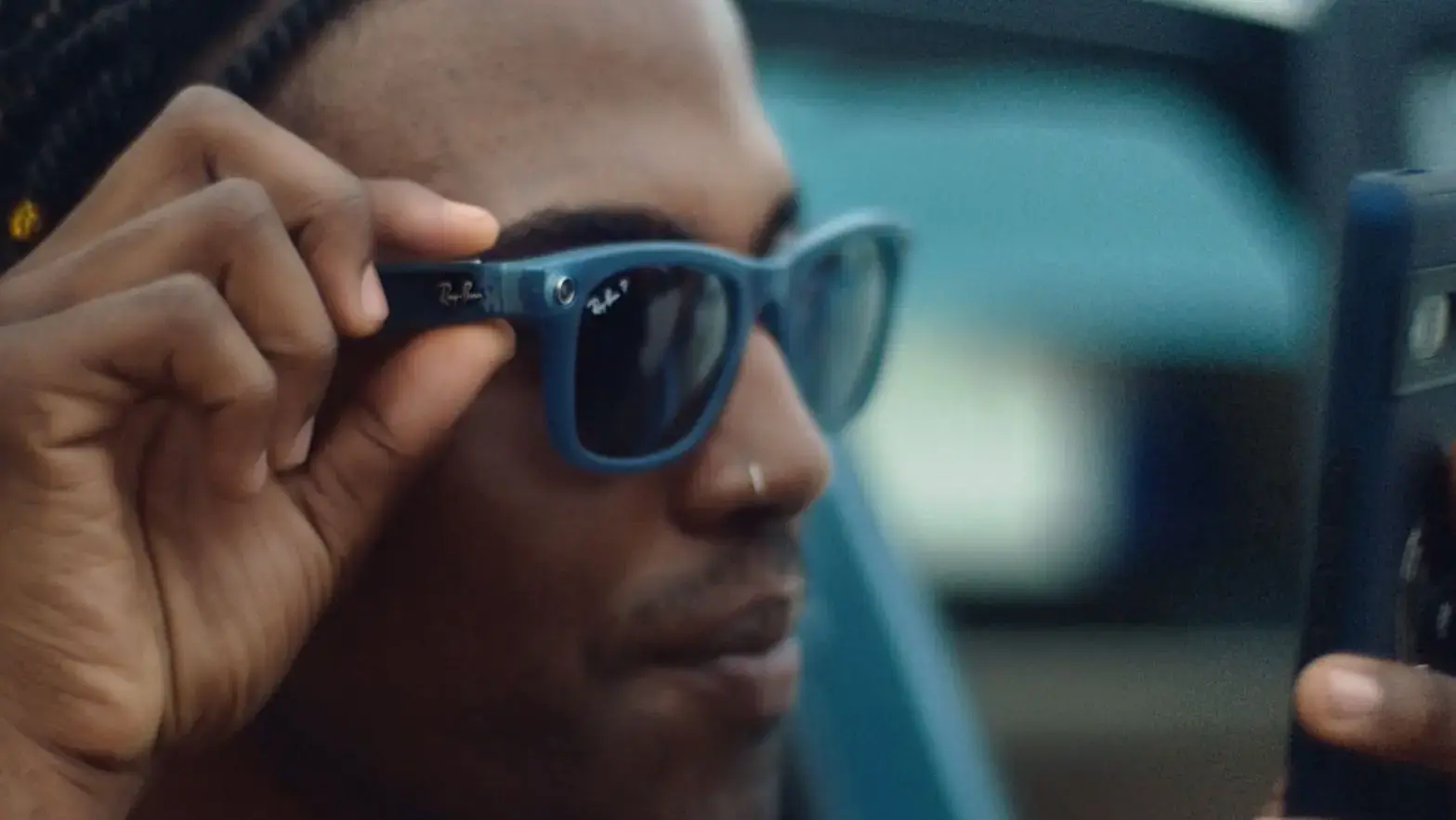
German data protection authorities have found that Meta's updated smart glasses feature a recording indicator light that is difficult to notice unless viewed from close range, undermining its effectiveness as a privacy safeguard. The assessment comes after Meta modified the device to prevent recording when the LED is covered, a change intended to thwart covert filming attempts. However, regulators argue the visual cue remains insufficient for bystanders to detect when they are being recorded.
Latest news
 Why Meta's New AI Tool Fails to Win Over Daily Users
 Assessing Risks in Open-Source Artificial Intelligence
 Autonomous AI Agents Launch Cyberattacks Against North American Government Portals
 Warlock Group Targets SharePoint Servers in Critical Infrastructure
The German Federal Commissioner for Data Protection and Freedom of Information conducted independent tests confirming that while the firmware update successfully blocks recording if the LED is obstructed at any point, the light's low brightness and narrow viewing angle make it hard to perceive in everyday situations. This limitation means people nearby may not realize they are being filmed, even when the glasses are actively capturing video or images. The agency emphasized that passive indicators alone do not meet the standard for informed consent under European data protection rules.
How Effective Are Current Safeguards Against Secret Recording?
Experts from the European Data Protection Board have reiterated that wearable devices capable of recording must provide clear, unambiguous signals to those in the vicinity, ensuring individuals can make informed decisions about their privacy. Relying on users to notice a faint light fails to account for real-world conditions such as bright sunlight, distance, or distractions. The board recommends active consent mechanisms—such as audible alerts or explicit prompts—rather than assuming awareness based on subtle visual cues alone.
Despite the firmware update preventing recording when the LED is covered, critics question whether the measure goes far enough to deter misuse. While it blocks one method of tampering, the core issue remains: if the indicator is not readily visible, the potential for covert collection persists. Meta has not disclosed specific brightness levels or viewing angles for the LED, making independent verification challenging. Privacy advocates continue to call for stricter design standards that prioritize transparency and accountability in consumer-facing recording devices.
What change did Meta make to the Glasses to prevent secret recording? Meta updated the firmware so that recording is blocked if the capture LED is covered at any time, aiming to stop users from concealing the indicator to film secretly.
Frequently Asked Questions
Why do German authorities say the recording light is not effective? The light is too dim and has a narrow viewing angle, making it hard to see unless one is very close, which fails to alert bystanders in typical public interactions.
What do EU bodies recommend regarding consent for recordings? EU data protection agencies advise obtaining active, explicit consent from anyone who might be recorded, rather than relying on passive indicators like lights to imply agreement.
Comments
Leave a comment