Navigating the Privacy Paradox
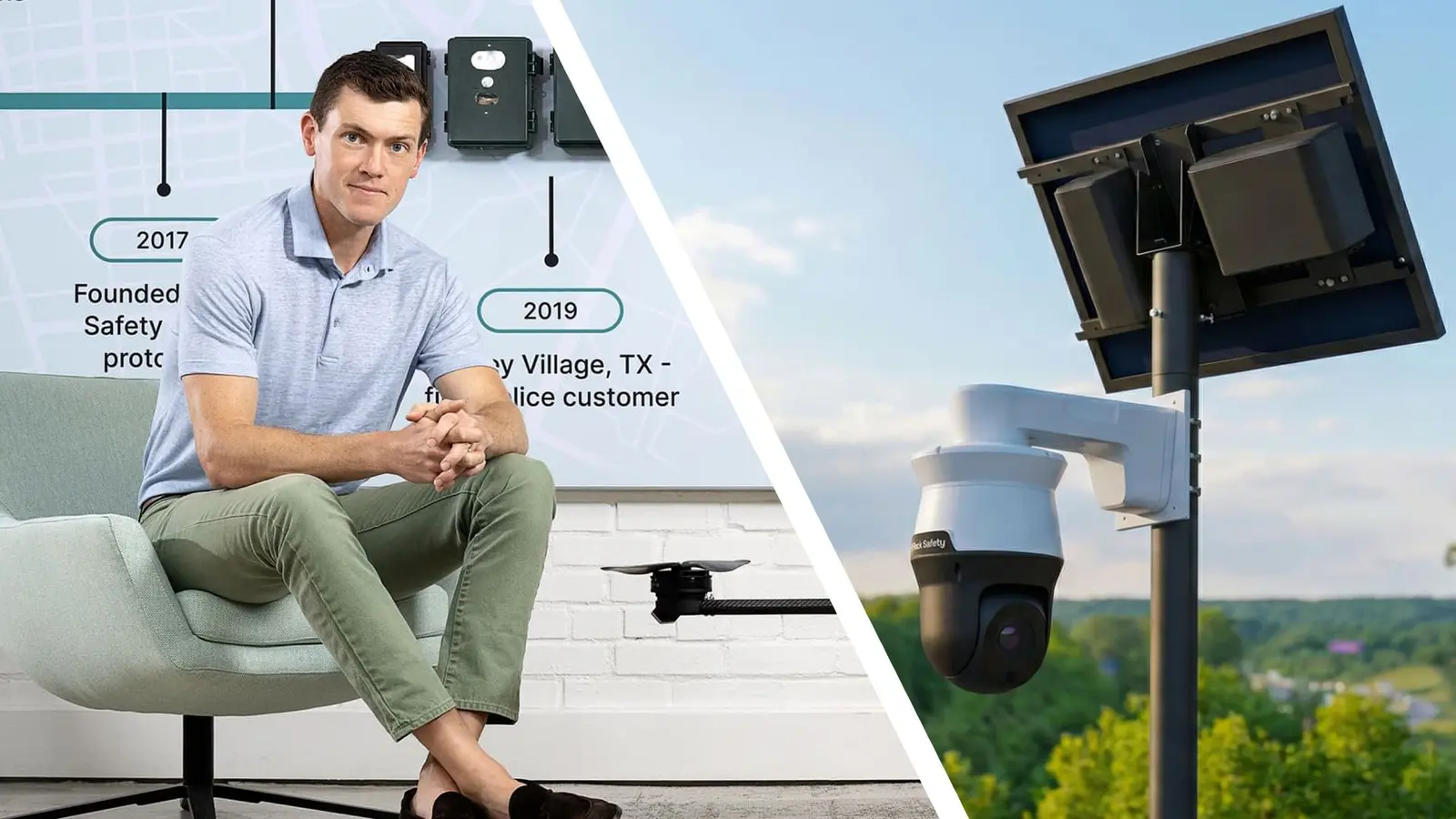
Flock Safety CEO Garrett Langley recently defended the company’s automated license plate recognition cameras despite growing public backlash. Speaking at a recent industry event, Langley argued that society should not halt technological progress in the name of privacy. The firm remains under intense scrutiny as communities debate the balance between security and surveillance.
Latest news
 Major AI firms recorded peak lobbying expenses last summer
 Apple Magic Keyboards for iPad Drop to Half Price at Woot
 Microsoft Provides Fix for Broken Exchange Online Apps
 Security Breach at AI Aggregator Exposes 18 Million Files and Private Chats
The company provides high-definition cameras that scan vehicle plates and track movements across neighborhoods and cities. These devices feed data into a centralized network accessible by law enforcement agencies. While the company markets these tools as essential for crime prevention, critics argue they create a pervasive dragnet that monitors innocent citizens without their consent.
Langley’s recent remarks appear to conflict with the company’s official public messaging. While the website emphasizes privacy protections and data limitations, the CEO’s rhetoric suggests a more aggressive stance on implementation. This inconsistency has fueled skepticism among civil liberties advocates who worry about the long-term implications of constant monitoring.
Is Convenience Worth the Cost of Anonymity?
The cameras utilize machine learning to identify vehicle makes, models, and colors in real time. This capability allows police to search for specific vehicles involved in criminal investigations. However, privacy experts warn that the sheer volume of data collected could lead to mission creep, where information is used for purposes beyond initial safety goals.
The ongoing controversy highlights a fundamental divide regarding the role of private technology in public spaces. Proponents argue that the cameras provide undeniable evidence that helps solve violent crimes quickly. Conversely, opponents fear the normalization of surveillance will erode the expectation of privacy that citizens historically enjoyed on public roads.
Frequently Asked Questions
As Flock Safety continues to expand its footprint, the company faces mounting pressure to address these ethical concerns. Future legislative efforts may soon dictate how much data these private entities can retain and share. For now, the debate over whether the benefits of automated tracking outweigh the risks to civil freedom remains unresolved.
What is the primary function of Flock Safety cameras? These cameras capture images of license plates and vehicle details to assist law enforcement in identifying suspects. They store this data in a cloud-based system for police access.
Why is the CEO’s stance considered controversial? Critics believe his dismissal of privacy concerns ignores the potential for abuse and mass surveillance. His comments seem to prioritize technological adoption over the protection of individual civil liberties.
Comments
Leave a comment