Privacy Promises Versus Operational Reality
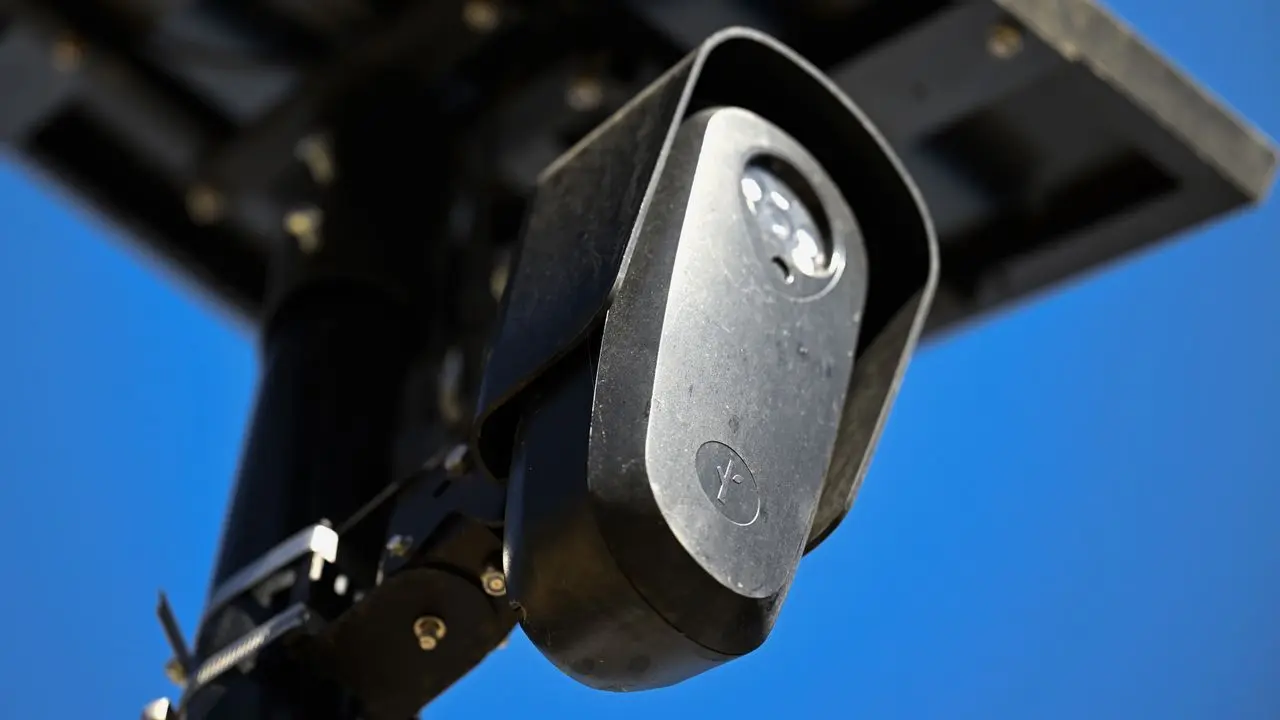
Boston city officials released a detailed report confirming that Flock Safety, a major provider of automated traffic enforcement cameras, shared resident data with third parties. This disclosure contradicts the company’s earlier public assurances regarding data privacy. The findings emerged after security researchers successfully extracted sensitive information from a decommissioned camera unit. The incident has intensified scrutiny over the city’s plans to expand its automated ticketing network.
Latest news
 Minisforum Unveils High‑End Ryzen AI Max+ PRO 495 Workstation
 NASA Eyes Revival of SR‑71 Blackbird
 My Home Wi‑Fi Was Crowded by 14 Neighbors—A Free App Helped Me Find a Clear Channel
 YouTube is tightening rules for low-effort Shorts
The controversy centers on a specific vulnerability identified by independent hackers. They accessed a downed Flock camera and retrieved extensive logs. These records contained far more detail than standard license plate recognition data. The extracted files revealed precise vehicle locations and timestamps. This level of granularity allows for detailed tracking of individual movements. Boston officials acknowledged that Flock had transmitted this data to external partners. The company initially claimed it would not share such granular location data with other entities. The report highlights a significant gap between corporate promises and actual operational practices.
The discrepancy between Flock’s marketing claims and its technical behavior is now central to the debate. The city’s report outlines why officials are hesitant to proceed with the full rollout. They cited the unauthorized sharing of data as a primary concern. Residents who opposed the cameras argued that their privacy was being compromised without consent. The hackers’ findings provided concrete evidence to support these claims. The data leak showed that even inactive units could retain and transmit valuable information. This suggests that the risk extends beyond active surveillance zones. City managers noted that the vendor failed to adhere to strict data handling protocols. Consequently, the trust deficit between the public and the technology provider has widened significantly.
Can Boston Trust Future Vendors?
The outcome of this investigation will shape future municipal contracts. Boston officials are now reviewing all existing agreements with surveillance firms. They aim to establish stricter boundaries for data retention and sharing. The report recommends implementing independent audits before any new hardware installation. It also calls for clearer definitions of what constitutes shareddata. Without these safeguards, the city risks repeating the same errors. The broader tech industry is watching closely. This case may set a precedent for how smart city projects handle personal information. Other municipalities considering similar systems are likely to demand stronger contractual guarantees. The pressure on Flock to revise its policies is mounting.
The immediate consequence is a pause in the expansion of the automated enforcement program. Officials must decide whether to renegotiate terms or seek alternative providers. Residents remain divided on the issue. Some welcome the convenience of automated speed enforcement. Others fear a permanent digital footprint tied to their daily commutes. The final decision will balance efficiency against privacy rights. As the city moves forward, transparency will be the key metric for success. The next phase of the project hinges on restoring public confidence in the system’s integrity.
Frequently Asked Questions
Did hackers access live camera feeds? No, the researchers extracted data from a decommissioned unit. The breach involved stored logs rather than real-time video streams. This indicates that historical data remains vulnerable even when hardware is offline.
Will Boston cancel the entire camera project? Officials have not canceled the program but have paused the expansion. They are currently evaluating whether to continue with Flock or switch vendors. The decision depends on the results of upcoming contract negotiations.
What specific data was leaked? The leak included precise vehicle locations and timestamps. It also contained license plate numbers associated with those locations. This combination allows for detailed movement tracking of individual drivers.
Comments
Leave a comment