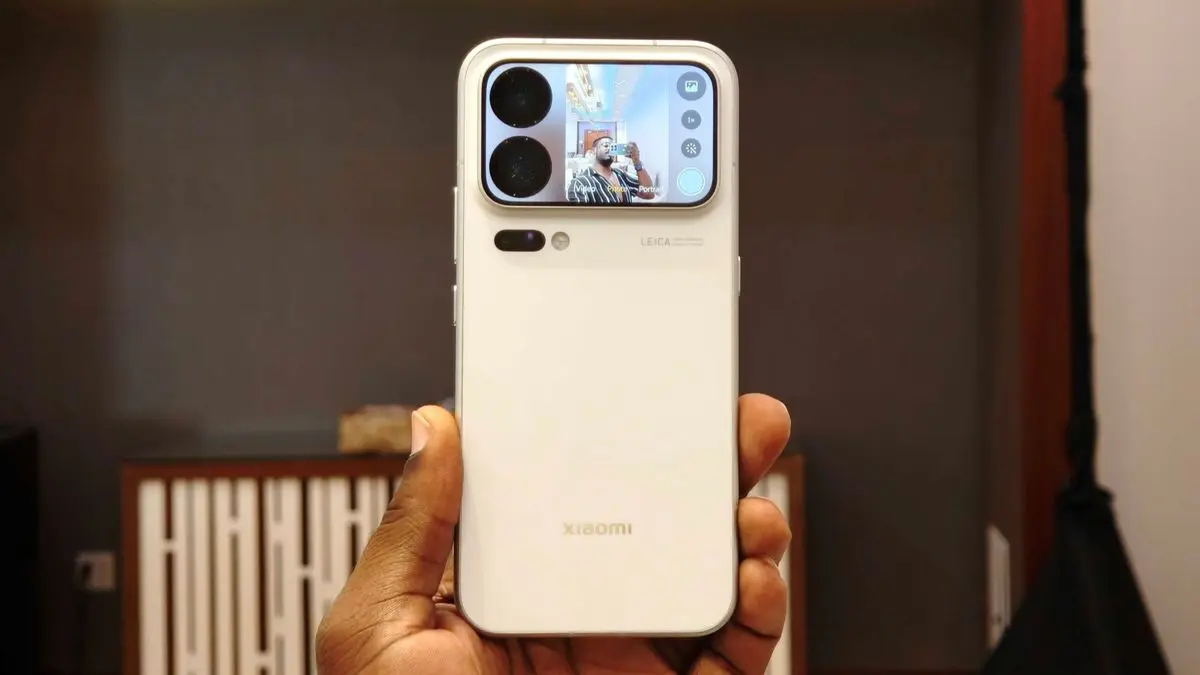
How the New Display Technology Improves Daily Use
The Xiaomi 18 Pro series has been unveiled as the first smartphone lineup to feature Qualcomm's latest Snapd’s newest flagship Snapdragon processor, marking a significant step in mobile performance and display innovation. Announced recently, the devices were showcased at a tech event where journalists and analysts got early access to test their capabilities. The phones aim to set a new benchmark for Android devices by combining cutting-edge hardware with refined visual technologies.
Latest news
 Minisforum Unveils High‑End Ryzen AI Max+ PRO 495 Workstation
 NASA Eyes Revival of SR‑71 Blackbird
 My Home Wi‑Fi Was Crowded by 14 Neighbors—A Free App Helped Me Find a Clear Channel
 YouTube is tightening rules for low-effort Shorts
At the core of the Xiaomi 18 Pro series is the integration of Qualcomm’s Snapdragon X Elite chip, which promises enhanced power efficiency and faster processing speeds for demanding applications like gaming and multimedia. Beyond the processor, Xiaomi highlighted two standout display features: an adaptive refresh rate that dynamically adjusts based on content, and improved brightness uniformity across the screen for better visibility in outdoor conditions. These advancements are designed to reduce eye strain and extend battery life without compromising visual quality.
Can These Features Become Standard Across Android Devices?
The adaptive refresh rate technology allows the screen to shift between 1 Hz and 120 Hz depending on what is being displayed, lowering power consumption during static tasks like reading or viewing photos. Meanwhile, the brightness uniformity enhancement ensures consistent luminance across the entire panel, eliminating dimmer areas at the edges—a common issue in many smartphones. During hands-on testing, reviewers noted smoother scrolling and clearer text rendering, particularly in sunlight. Xiaomi claims these improvements contribute to a more comfortable viewing experience over extended periods.
While the Xiaomi 18 Pro series leads in adopting these specific display innovations, industry experts suggest that such technologies may trickle down to mid-range models over time as production costs decrease. Qualcomm’s involvement could accelerate broader adoption, especially if other manufacturers partner with the chipmaker to optimize similar features. However, widespread implementation will depend on consumer demand and the willingness of competitors to invest in comparable screen calibration and power management systems.
What makes the Snapdragon X Elite chip different from previous versions? The Snapdragon X Elite chip offers improved CPU and GPU performance with better energy efficiency, enabling faster app launches and smoother multitasking while extending battery life compared to earlier generations.
Frequently Asked Questions
Why are adaptive refresh rates important for smartphone displays? Adaptive refresh rates reduce power usage by lowering the screen update speed when high motion isn’t needed, such as when viewing still images or text, which helps conserve battery without sacrificing responsiveness when needed.
Will other Android phones adopt similar display technologies soon? It is likely that other manufacturers will introduce comparable features in future models, especially as display panel costs fall and consumer expectations for screen quality and efficiency continue to rise.
Comments
Leave a comment