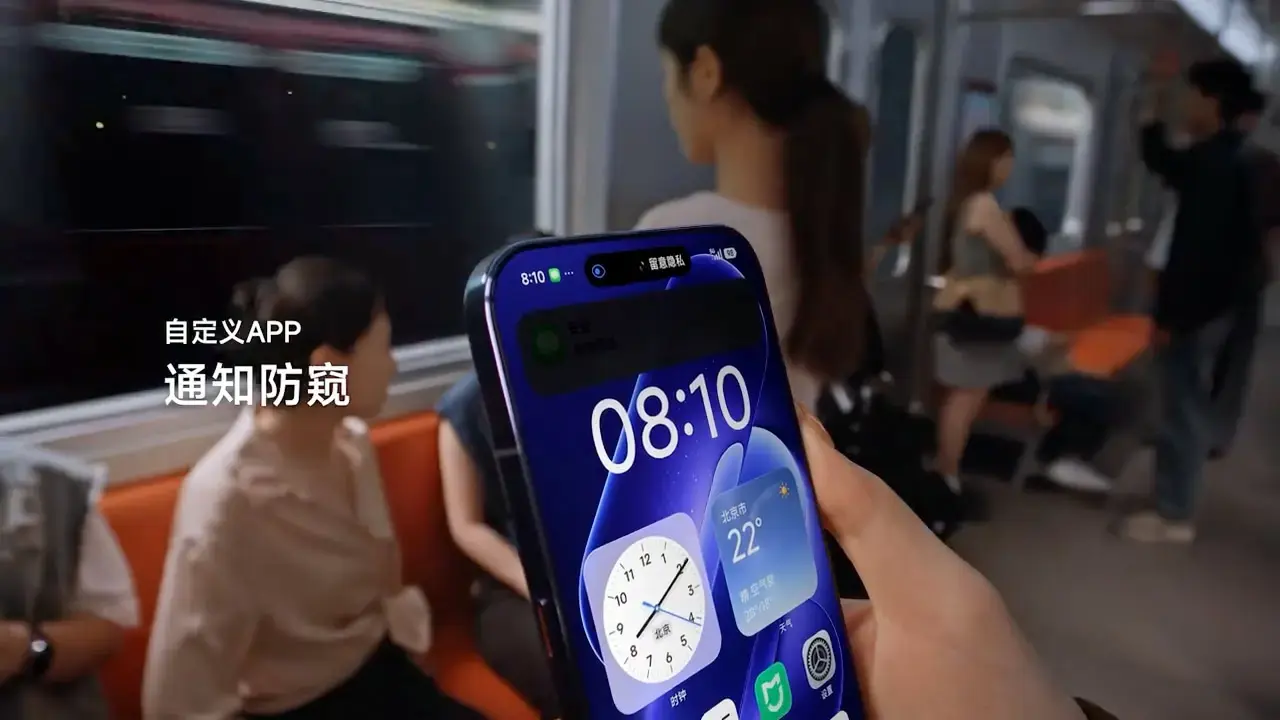
Maintaining Visual Clarity Without Compromise
A major Android manufacturer has introduced a sophisticated privacy display feature for its latest flagship smartphone. This technology aims to restrict viewing angles, preventing unauthorized onlookers from reading sensitive information on the screen. The company claims this implementation maintains full display quality and brightness, addressing common complaints associated with previous privacy filters.
Latest news
 YouTube is tightening rules for low-effort Shorts
 Google releases Android 17 QPR 3 Beta 1 for testing
 Samsung Galaxy S26 FE Slashes $40 Off Its Launch Price
 Meta Launches Muse Gadgets to Bring Brain-Sensing Tech to DIY Hardware
The feature functions by narrowing the light emission range of the screen. When activated, the display remains clear for the primary user while appearing dark or obscured to those viewing from the side. Unlike older hardware-based privacy screens that often caused graininess or color shifts, this new software-driven approach promises a seamless experience. Users can toggle the protection on and off instantly without compromising the visual fidelity of their device.
Engineers focused heavily on eliminating the typical trade-offs found in privacy-focused hardware. Historically, adding a physical layer to a screen resulted in reduced clarity and lower peak brightness. By utilizing advanced panel control algorithms, this flagship model ensures that the screen looks identical to standard displays when the privacy mode is inactive. This development marks a significant shift in how mobile security is integrated into high-end hardware.
Is This the End of Privacy Screen Protectors?
Many users have relied on aftermarket adhesive films to shield their screens from prying eyes. These physical protectors are often difficult to apply and can interfere with touch sensitivity or fingerprint scanners. By building this capability directly into the operating system and display controller, the manufacturer provides a cleaner, more reliable solution. This integrated approach suggests that future premium devices may prioritize built-in privacy tools over external hardware accessories.
The move signals a growing trend toward privacy-first design in the mobile industry. As users handle more sensitive financial and personal data on their phones, the demand for built-in security features will likely rise. If this technology proves successful, it could become a standard requirement for flagship devices across the Android ecosystem.
Frequently Asked Questions
Does this feature reduce screen brightness? No, the manufacturer claims the technology maintains full brightness and visual quality when the privacy mode is not in use.
Can the privacy mode be turned off? Yes, users can toggle the feature on or off through the device settings, allowing for flexibility based on the current environment.
Does this require a special screen protector? No, the feature is integrated directly into the display hardware and software, eliminating the need for aftermarket privacy filters.
Comments
Leave a comment