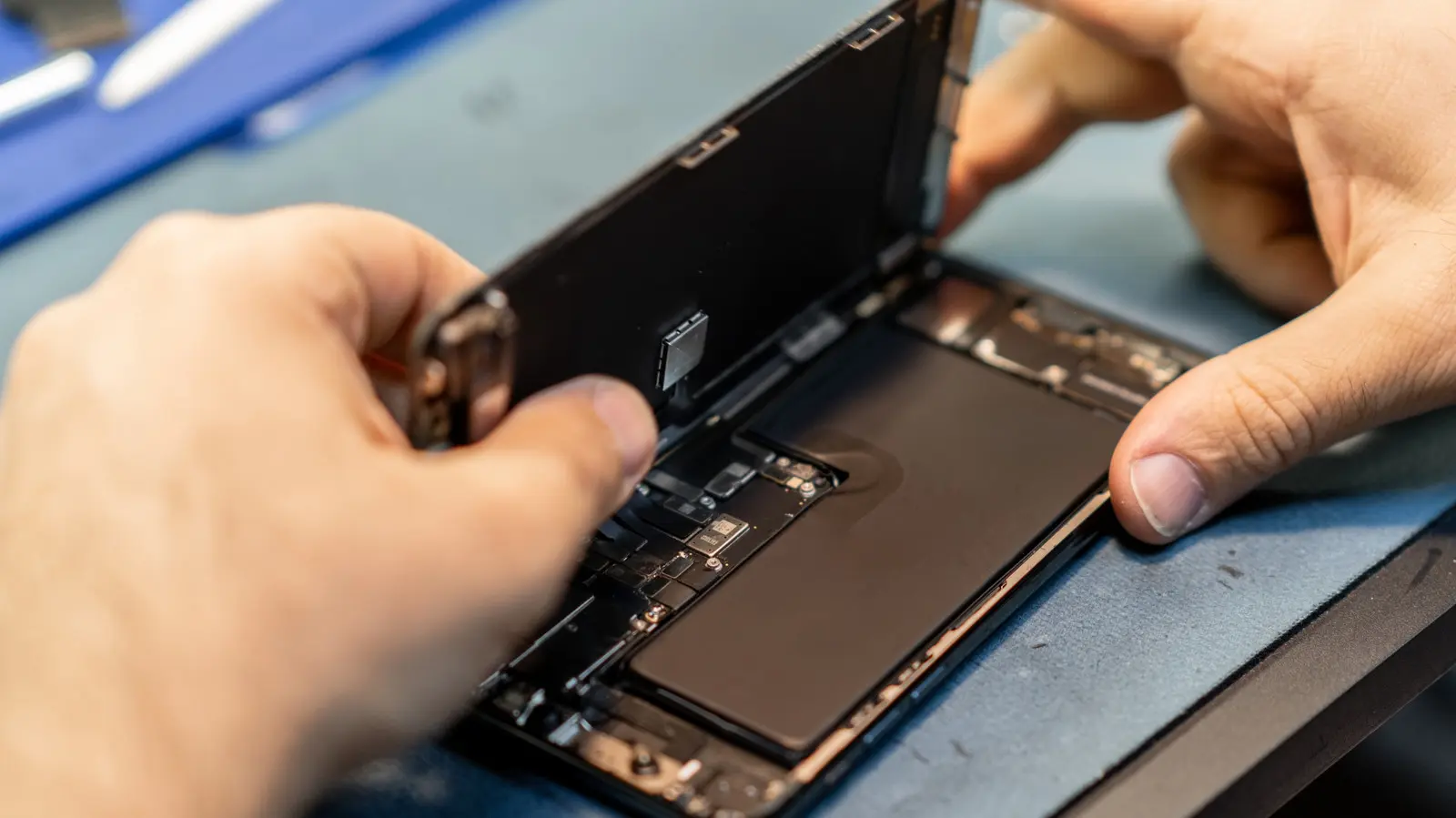
How Adhesive and Integration Hurt Repair Efforts
Not long ago, replacing a smartphone battery was a simple task anyone could do at home with minimal tools. Users could remove the back cover, swap out the old battery, and reassemble the device in minutes. This ease of repair has significantly declined in recent years due to shifts in design priorities and manufacturing strategies.
Latest news
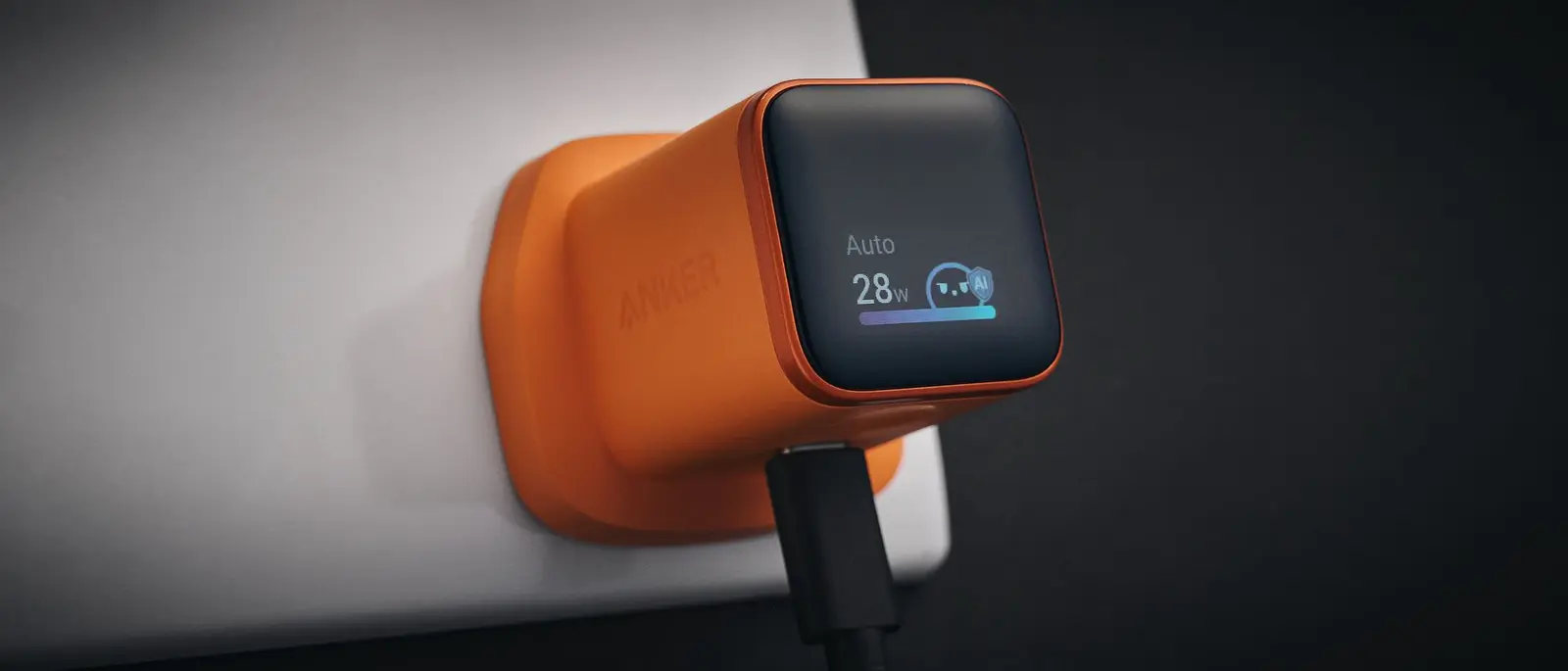 Anker Unveils Playful 45W Charger With Animated Face Display
 Google Docs Web Version Still Missing Native Dark Mode
 Anthropic-Linked Vulnerability Exploited From China, Targets US and Japan
 Text‑Based AI Agents: Your New Digital Assistants
Manufacturers now prioritize sleek aesthetics, water resistance, and internal space optimization, often sealing batteries with strong adhesives and integrating components in ways that make disassembly difficult. These design choices, while improving durability and appearance, come at the cost of user accessibility. As a result, even basic maintenance like battery replacement now requires specialized tools, technical expertise, or professional service centers.
What Does This Mean for Consumers and the Environment?
Modern smartphones frequently use industrial-grade adhesives to secure batteries and screens, making removal risky without damaging the device. Internal components are often soldered directly to the motherboard or stacked in compact layers, leaving little room for error during disassembly. Repair guides from groups like i Fixit show that many current models score poorly on repairability indices due to these factors. One technician noted that attempting a battery replacement on certain flagship models feels more like surgery than a routine fix.
The trend toward less repairable devices leads to higher long-term costs for users, who may opt to replace entire phones rather than pay for costly repairs. It also contributes to electronic waste, as devices with shorter lifespans are discarded more frequently. Environmental advocates argue that designing for repairability could significantly reduce e-waste and conserve resources. Some regions have begun introducing right-to-repair legislation to counter these trends, though adoption remains uneven.
Why do manufacturers make phones harder to repair? To achieve thinner designs, better water resistance, and improved structural integrity, companies use adhesives and integrated components that complicate disassembly.
Frequently Asked Questions
Can I still replace my smartphone battery myself? It depends on the model; some older or budget devices allow user replacement, but many modern flagships require professional tools and expertise.
Are there any phones designed with repairability in mind? Yes, a few manufacturers offer modular designs or use standardized parts and screws to make repairs easier, though these remain exceptions in the market.
Comments
Leave a comment