The Hidden Role of Neural Data in AI Development
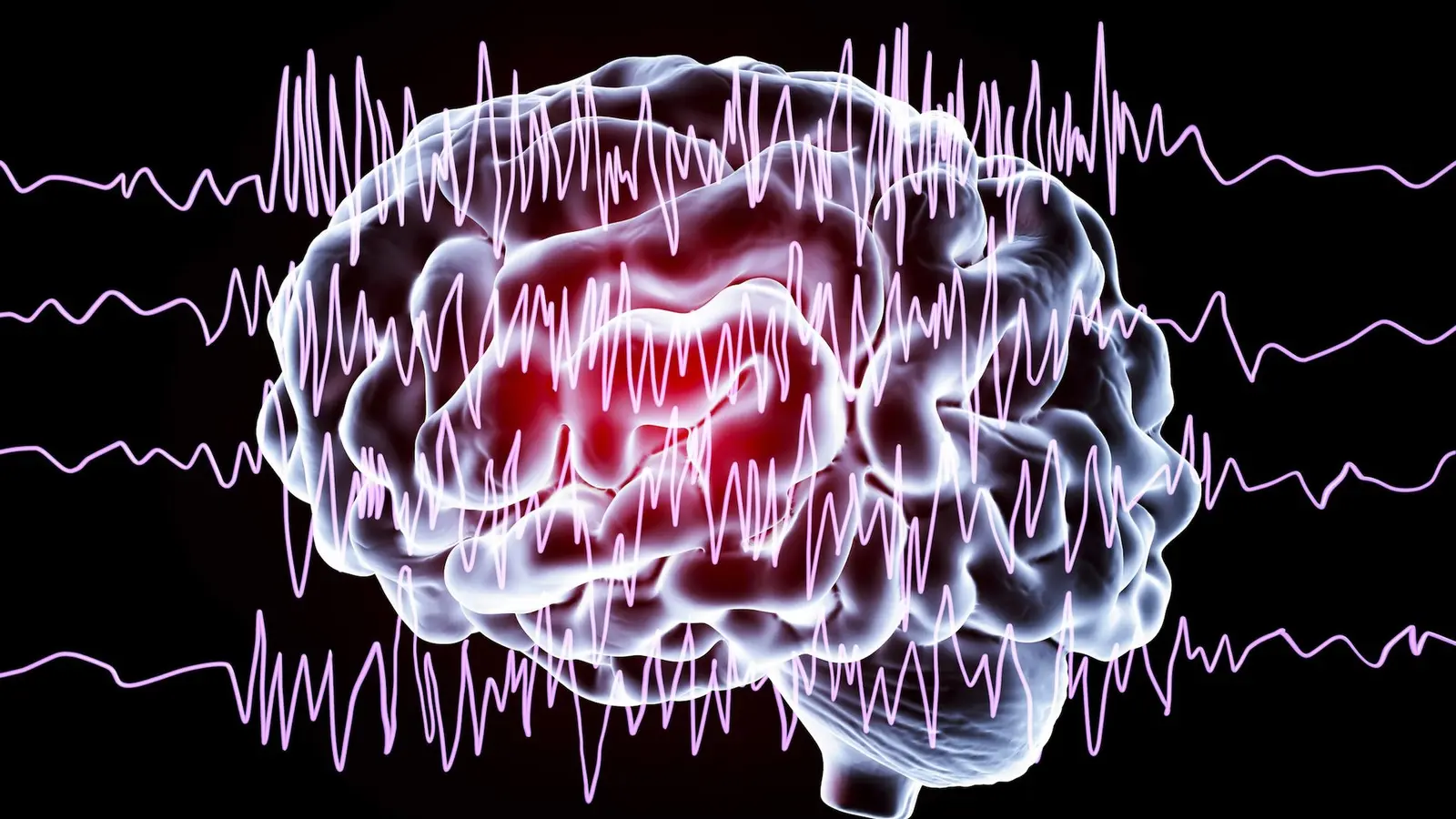
Wearable neurotechnology firms are harvesting massive amounts of brainwave data from sleep-tracking devices. These companies utilize the electrical signals recorded during rest to build advanced artificial intelligence models. The process often occurs without explicit permission from the device owners. This practice raises significant questions about privacy in the consumer health tech sector.
Latest news
 Smart TVs frequently lose their Wi-Fi connection, leaving viewers staring at a spinning loading icon
 Why Ignoring Car Software Updates Is Risky
 Apple's foldable iPhone Duo introduces dual-display multitasking capabilities
 FCC Weighs Reciprocal Limits on Foreign Satellite Firms
The technology relies on electroencephalogram sensors embedded in headbands or caps. Users wear these devices to monitor sleep cycles and improve their rest quality. However, the raw neural data collected serves a secondary purpose for manufacturers. It provides a vast dataset for training machine learning algorithms. This allows the AI to better interpret sleep stages and detect anomalies. The dual use of personal biological data blurs the line between monitoring and model development.
Researchers investigating this trend found that millions of hours of recordings have been accumulated. This data is critical for refining the accuracy of sleep detection software. As AI models become more complex, they require larger volumes of diverse examples to learn effectively. Human brainwaves provide unique patterns that synthetic data cannot easily replicate. Companies argue that improving the algorithm benefits all users by enhancing the device’s performance. Yet, the initial collection phase frequently lacks clear disclosure regarding how the data will be utilized for future model training.
Does Implicit Consent Cover Neural Signatures?
Users often assume their biometric information remains private within their own accounts. They expect the data to stay local or be used solely for personal insights. Instead, it feeds into centralized systems where it shapes the core logic of the product. This shift transforms passive users into active contributors to the technology’s evolution. The lack of transparency means consumers rarely know if their specific neural signatures are helping to define the next generation of sleep analytics.
Legal frameworks for data privacy were largely designed before the rise of consumer neurotech. Existing rules often focus on personal identifiers like names and emails. They do not always clearly address biological signals such as brainwaves. When companies include broad terms in their privacy policies, they may cover neural data under general clauses. This creates a gray area where consent is implied rather than explicitly granted. Experts warn that brain activity is highly sensitive personal information. Once shared, it can reveal deep insights into a person’s cognitive state and health conditions.
The current landscape suggests that users are trading intimate biological data for convenience and better sleep scores. As the industry grows, the volume of available neural data continues to expand rapidly. Future models will likely depend even more heavily on these human-generated datasets.
Frequently Asked Questions
How do wearable devices collect brainwave data? These devices use non-invasive sensors placed on the scalp to detect electrical activity. The sensors record subtle changes in voltage associated with different sleep stages.
Is my sleep data sold to third parties? While not always sold directly, the data is often aggregated and anonymized to train AI models. Some companies may share insights with research partners or healthcare providers.
Can I opt out of AI training? Most current devices do not offer a simple toggle to exclude data from model training. Users must review detailed privacy policies to find specific opt-out mechanisms.
Comments
Leave a comment