
How Rambler Changes the Game
Google’s upcoming Rambler feature aims to improve voice typing on Android phones. Expected to roll out through Gboard, it’s designed to make speech-to-text faster and more accurate. The development comes as users increasingly rely on hands-free input, especially while multitasking or on the move.
Latest news
 Major AI firms recorded peak lobbying expenses last summer
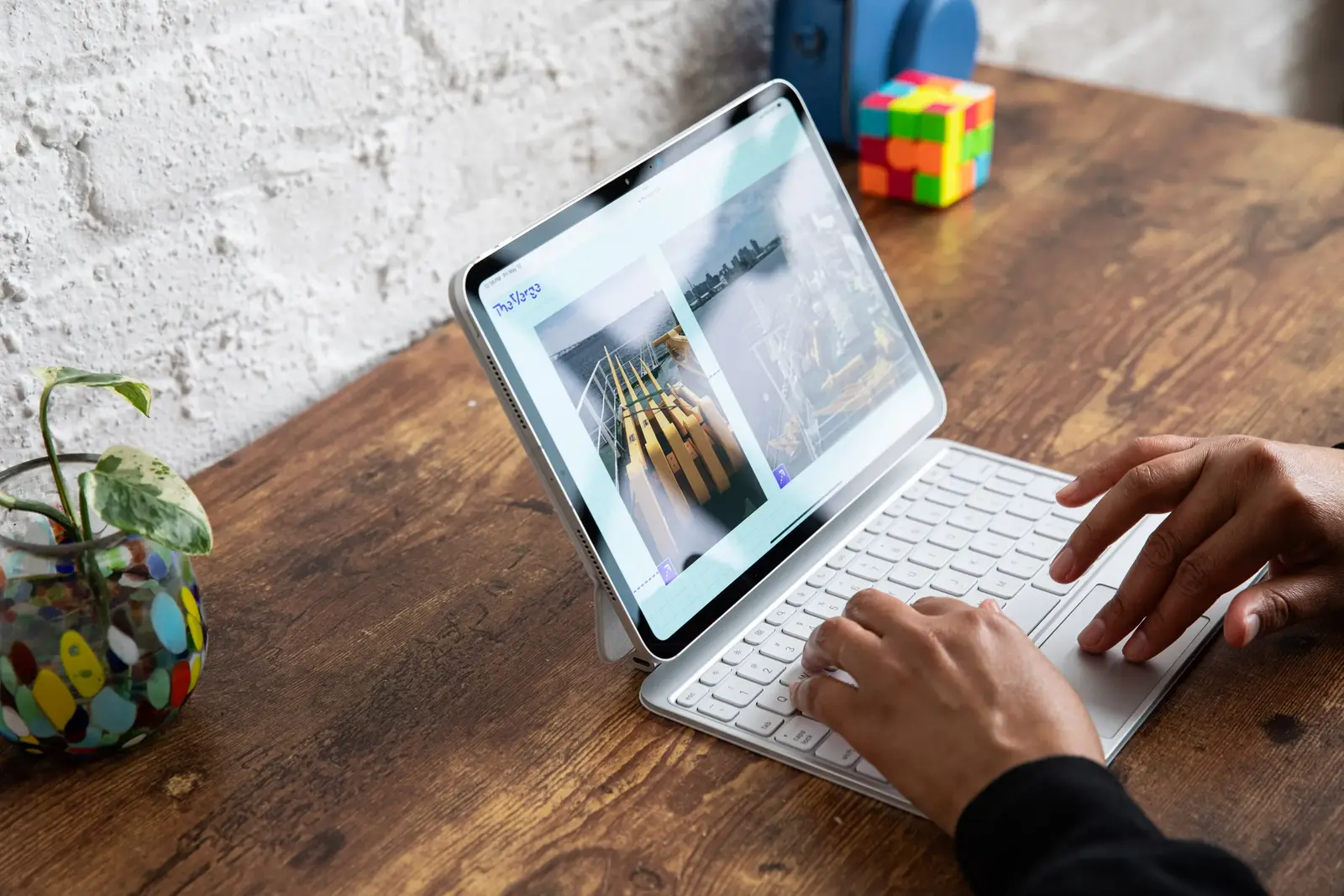 Apple Magic Keyboards for iPad Drop to Half Price at Woot
 Microsoft Provides Fix for Broken Exchange Online Apps
 Security Breach at AI Aggregator Exposes 18 Million Files and Private Chats
Current voice typing tools often misinterpret words or fail in noisy environments. Many users find themselves correcting errors more than typing manually. Rambler takes a different approach by processing speech in real time, predicting intent before sentences finish. This could reduce delays and boost reliability, turning voice input from a backup option into a seamless daily tool.
Instead of waiting for full sentences, Rambler analyzes speech patterns as you talk. It begins transcribing mid-utterance, using AI to anticipate what’s coming next. This method cuts lag, a major pain point in existing systems. Early tests suggest fewer pauses and smoother text flow, even with casual speaking styles.
Could This Finally Make Voice Typing Reliable?
One engineer described the goal as „making the phone feel like it’s thinking with you.” Unlike older models that required clear enunciation and quiet rooms, Rambler adapts to natural speech. It handles filler words, restarts, and corrections without breaking stride. For users, this means less frustration and more trust in voice input.
Most people try voice typing once, then abandon it due to inaccuracies. A 2023 survey found only 22% of smartphone users rely on it regularly. The rest cite poor performance in real-world conditions—background noise, accents, or fast speech. Rambler aims to close that gap by focusing on context, not just audio.
By combining speech prediction with on-device processing, Google hopes to deliver faster results without sacrificing privacy. No audio leaves the phone, reducing security risks. If successful, Rambler could encourage broader use in messaging, note-taking, and accessibility tools.
Looking ahead, Rambler may reshape how we interact with phones. It could reduce thumb strain, aid users with mobility challenges, and make digital communication faster for everyone. While details remain limited, the feature signals a shift toward more intuitive, human-like tech.
Frequently Asked Questions
What is Rambler? Rambler is a new Google feature improving voice typing in Gboard. It uses AI to predict speech in real time, making transcription faster and more accurate.
When will Rambler be available? It’s still in development. No official release date has been announced, but it’s expected to arrive in a future Gboard update.
Does Rambler work offline? Yes, processing happens on the device. Audio isn’t sent to servers, allowing use without internet and enhancing privacy.
Comments
Leave a comment