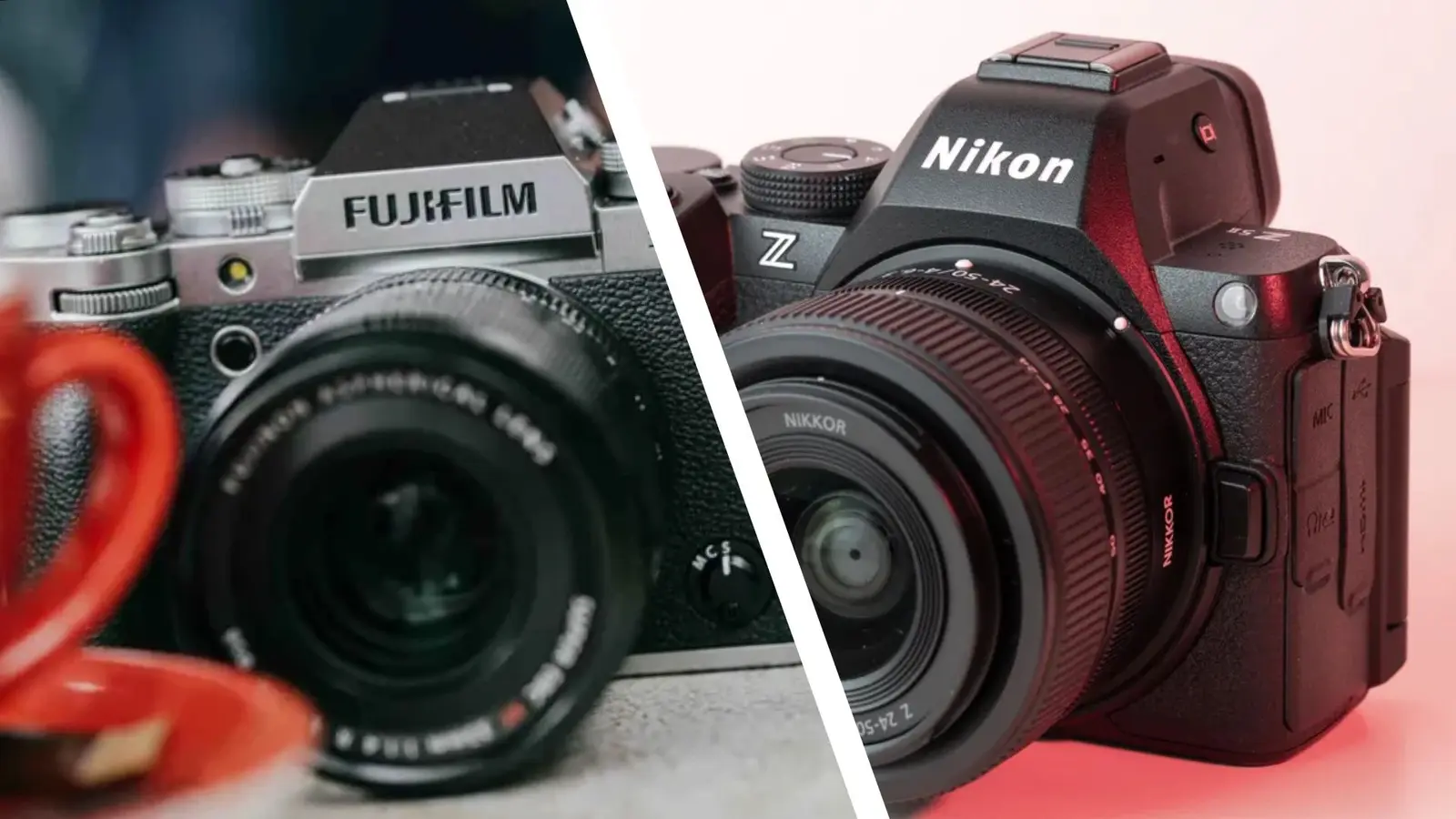
Why Mature Hardware Still Dominates the Field
Both Nikon and Fujifilm have completely skipped releasing any new camera hardware throughout 2026, causing widespread anxiety among passionate gear enthusiasts. Despite this unusual lull in fresh product announcements, industry analysts suggest that the current lineup of mature mirrorless bodies remains remarkably competitive in the modern photographic market.
Latest news
 Major AI firms recorded peak lobbying expenses last summer
 Apple Magic Keyboards for iPad Drop to Half Price at Woot
 Microsoft Provides Fix for Broken Exchange Online Apps
 Security Breach at AI Aggregator Exposes 18 Million Files and Private Chats
Camera hardware has historically enjoyed a much longer shelf life than smartphones or computing devices. Instead of yearly upgrades, manufacturers are focusing their energy elsewhere while users continue to master existing systems. Photographers who purchased high-end gear a few years ago are finding their equipment still delivers exceptional performance without demanding immediate replacement.
The decision to pause new camera rollouts points to a broader shift in consumer technology and manufacturing priorities. Modern imaging devices are incredibly capable, meaning incremental technological leaps no longer justify the massive cost of frequent hardware updates. Firmware improvements and software refinements have largely replaced the need for entirely new physical camera bodies.
Are Annual Camera Upgrades Finally a Thing of the Past?
Enthusiasts accustomed to relentless product cycles might feel abandoned by the current pause. However, this stability allows creators to invest deeper into glass and accessories rather than constantly chasing the latest body. Fujifilm and Nikon are prioritizing refinement over rapid obsolescence, ensuring existing investments hold their value much longer.
The modern photography landscape suggests that rapid annual releases are slowing down across the entire industry. Manufacturers face higher production costs and longer development cycles for advanced sensors and processing engines. As a result, users benefit from more durable, reliable tools that remain relevant for many years.
Frequently Asked Questions
Looking ahead, this cooling-off period might redefine how consumers view camera lifespans. Rather than signaling a crisis, the quiet hardware year proves that current mirrorless technology has reached a mature, highly capable plateau. Photographers can keep shooting with confidence, knowing their gear will not become obsolete overnight.
Why haven't Nikon and Fujifilm released new cameras? Both brands have opted for a quiet year without new hardware introductions to focus on existing ecosystems. This allows them to extend the life cycles of mature, class-leading camera models already on the market.
Are older camera models still worth buying? Yes, modern mirrorless cameras possess a remarkably long shelf life and continue to deliver exceptional performance. Firmware updates and robust hardware mean older devices remain competitive against newer alternatives.
Comments
Leave a comment