Why Slim Drives Still Matter
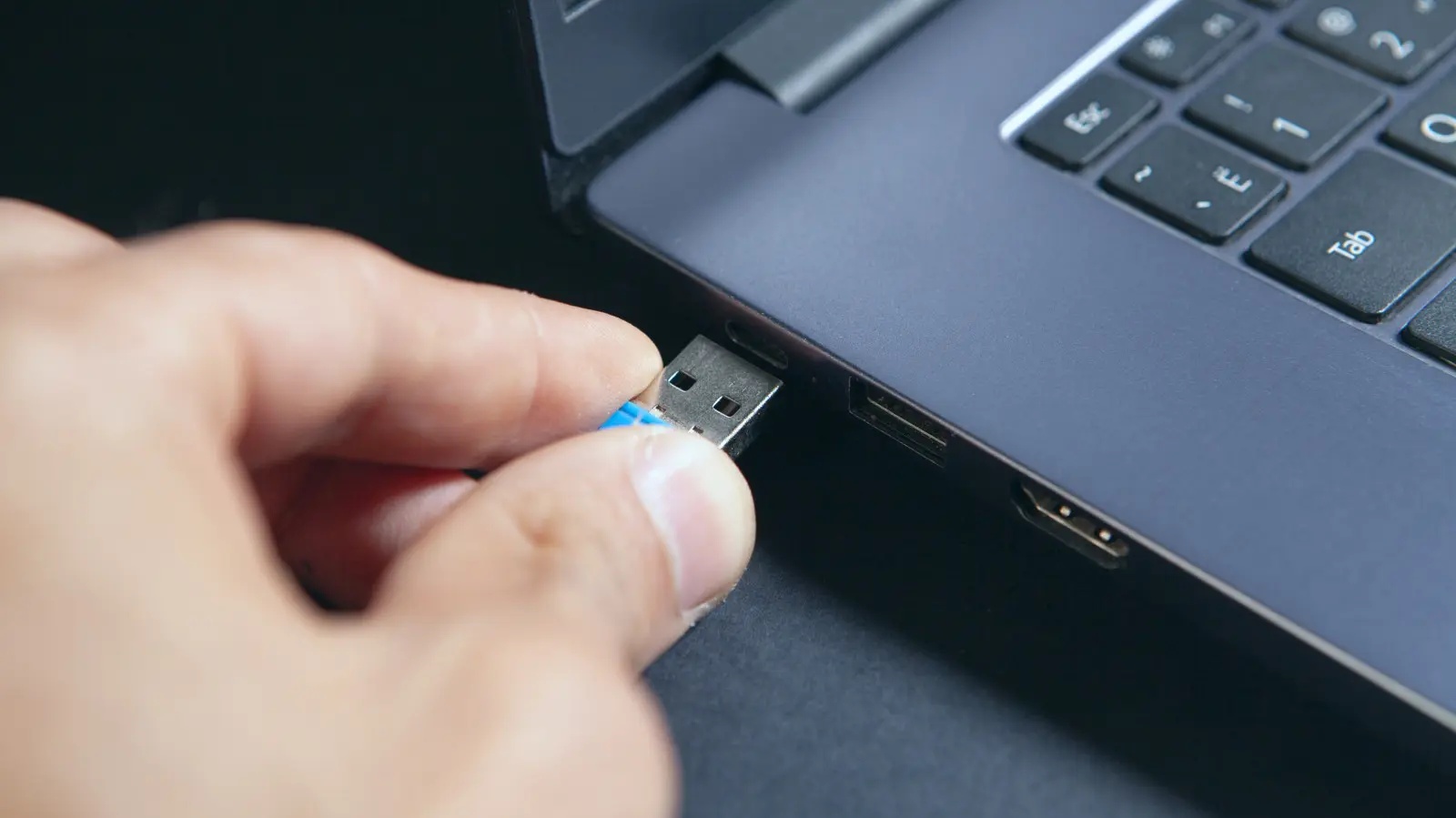
The year 2026 still sees widespread use of USB flash drives. Many people keep them for quick data transfer, backups, and portable media. Even with cloud services, a slim drive offers instant access without internet. USB drives have become thinner, lighter, and faster. New manufacturing techniques reduce bulk while maintaining durability. Users want drives that fit into pockets, wallets, or laptop sleeves without snagging.
Latest news
 Anthropic Unveils Claude Duet For Background AI Tasks
 Eiliko Creator Hires Independent Security Firm After Flawy Robot Charm Exposed
 Musk Compares Optimus Robot Training to Raising a Toddler
 Atari VCS Software Store Closes in February 2027
In 2026, smartphones and tablets dominate file sharing, but laptops and desktops still rely on USB ports. A slim drive can slip into a keychain or a travel bag unnoticed. It also reduces wear on the USB port when inserted repeatedly. Speed is a key factor. The latest drives use NVMe or UHS‑III interfaces, delivering read speeds up to 1,200 MB/s and write speeds around 800 MB/s. That’s faster than most SD cards. Capacity ranges from 32 GB to 512 GB, enough for photos, documents, and even full movies. Durability matters too. Many slim drives are built with shock‑resistant housings and waterproof seals. Users report no data loss after accidental drops or exposure to water.
Top Picks
The first contender is the SanDisk Ultra Slim, only 8 mm thick. It offers 256 GB, 1,200 MB/s read speed, and a sleek black finish. Its price sits around $60. Next is the Samsung Pro Plus, 9 mm thick, 512 GB, and 1,100 MB/s read speed. It features a metallic frame that resists scratches. The Kingston Ultra Slim 32 GB is the most affordable, at roughly $15. It’s 7 mm thick and still reaches 600 MB/s read speed. Lexar’s Compact Flash, 8 mm thick, comes in 128 GB and 900 MB/s read speed. It’s marketed for photographers who need quick access to high‑resolution images. Corsair’s SlimPad, 10 mm thick, offers 256 GB and 1,000 MB/s read speed. It includes a magnetic strip for easy attachment to metal surfaces.
Is a Slim Drive Worth the Extra Cost?
These drives balance size, speed, and price. They’re all compatible with USB‑C and USB‑A ports, making them versatile for both newer and older devices.
Frequently Asked Questions
Some users wonder if the slimmer design is just a marketing gimmick. In practice, the reduced thickness does not compromise performance or reliability. The slim profile also lowers the risk of accidental disconnection during travel.
The future of portable storage may lean toward wireless solutions, but physical drives remain essential for secure, offline backups. Manufacturers continue to innovate, shrinking size while upping speed and capacity.
Comments
Leave a comment