
Why Memory Prices Are Spiking for Apple’s New Lineup
Apple’s upcoming i Phone models may see a price increase of 10 to 20 percent due to sharply rising memory costs, according to a forecast from TrendForce. The analyst firm warns that memory expenses for certain components in the new devices could jump nearly 400 percent compared to last year. This surge is attributed to global supply constraints and heightened demand for high-performance memory chips across the smartphone industry. The cost pressure comes as Apple prepares to launch its next generation of i Phones, expected later this year. Consumers may feel the impact at retail, especially for higher-storage variants. The trend reflects broader challenges in semiconductor pricing that are affecting multiple tech manufacturers.
Latest news
 Anthropic Unveils Claude Duet For Background AI Tasks
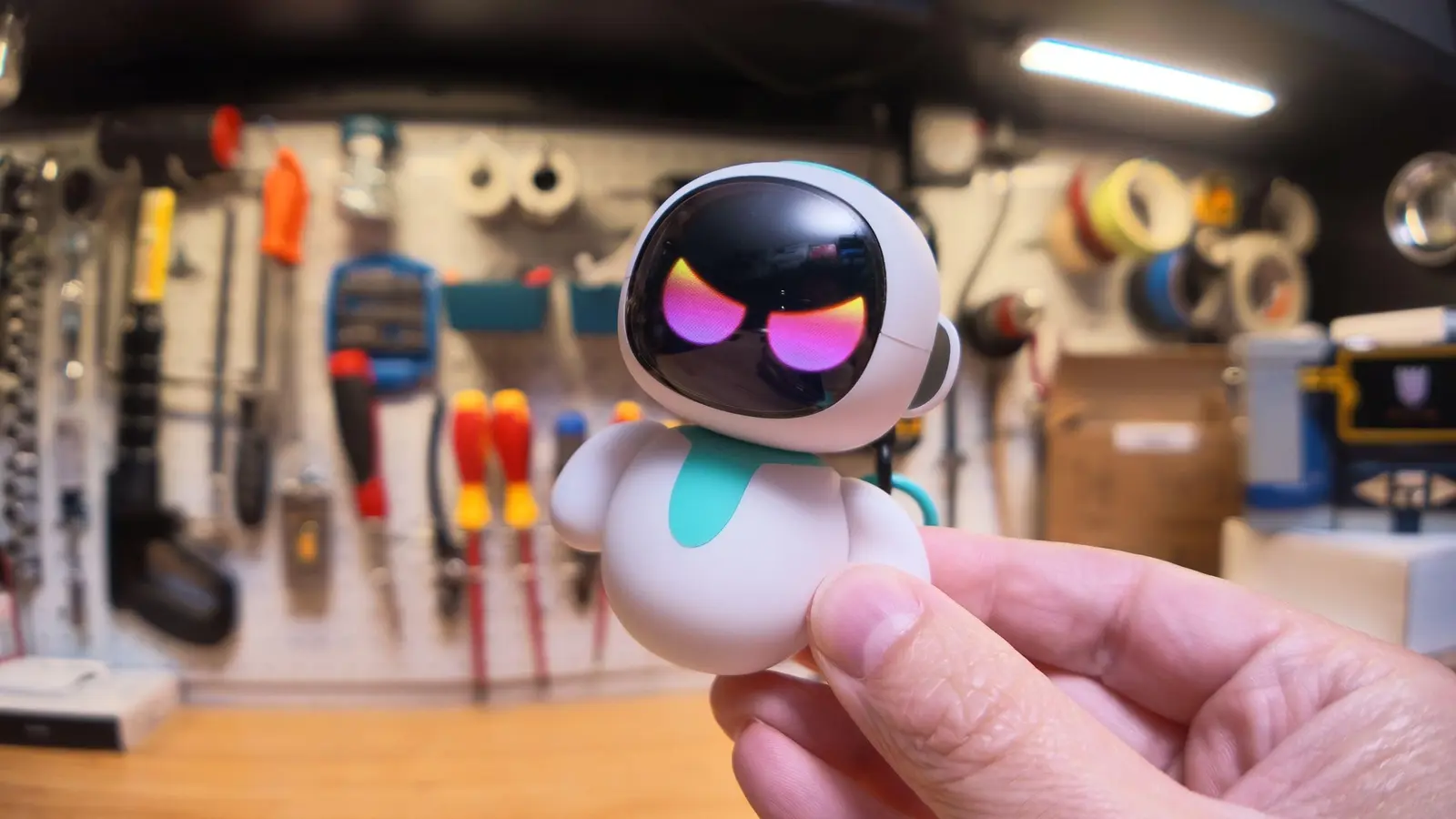 Eiliko Creator Hires Independent Security Firm After Flawy Robot Charm Exposed
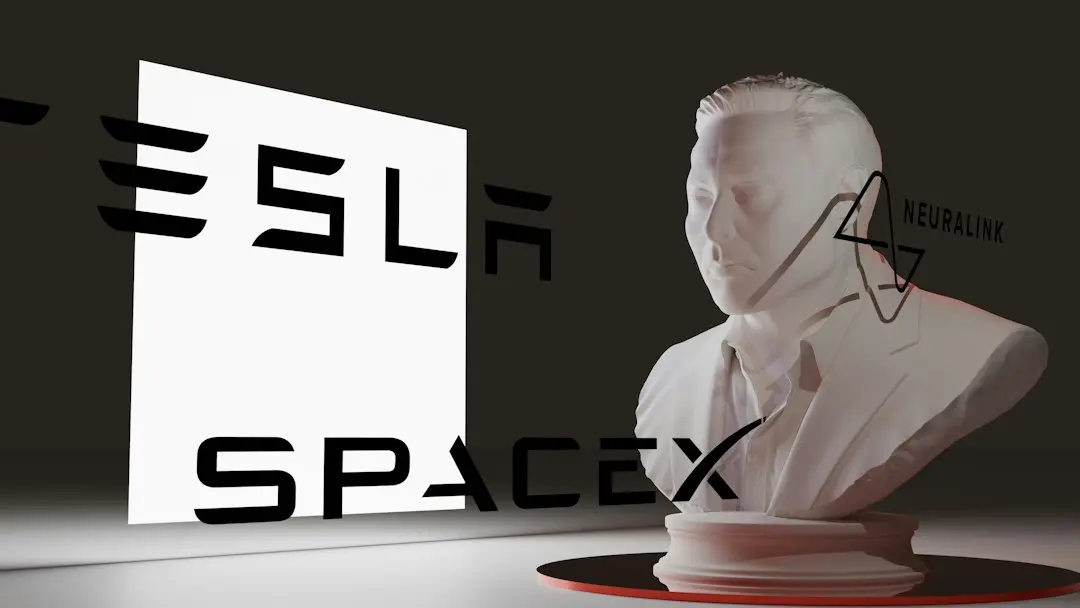 Musk Compares Optimus Robot Training to Raising a Toddler
 Atari VCS Software Store Closes in February 2027
The projected 400 percent increase in memory costs stems from a combination of limited production capacity and increased orders from smartphone makers preparing for annual releases. TrendForce analysts point to tight supplies of DRAM and NAND flash, which are essential for phone storage and performance. Apple’s reliance on high-density memory for advanced camera systems, AI processing, and multitasking features amplifies its vulnerability to these price swings. Unlike some competitors, Apple often locks in long-term contracts, but even those are facing renewal pressure amid market volatility. The situation has been dubbed „RAMageddon” by industry observers, highlighting the severity of the memory market strain. This cost escalation is not isolated to Apple but is particularly pronounced due to the scale of its component purchases.
How Much Will Consumers Actually Pay More?
While a 10 to 20 percent overall price increase is predicted, the actual impact will vary by model and storage configuration. Base models with lower storage may see smaller jumps, while Pro versions with higher RAM and storage could bear the brunt of the increase. For example, a device currently priced at $999 might rise to between $1,099 and $1,199. Analysts note that Apple may absorb some costs to maintain market share, but significant hikes are difficult to avoid given the magnitude of the memory cost surge. Retailers and carriers could also adjust pricing strategies or promotional offers in response. The final pricing will depend on how much of the increased expense Apple chooses to pass directly to buyers.
Apple has historically managed component cost pressures through supply chain efficiencies, economies of scale, and incremental innovation that justifies premium pricing. The company could potentially offset memory expenses by reducing costs in other areas, such as display or processor sourcing, though such savings are limited in the short term. Another possibility is adjusting product mix, encouraging buyers toward models with better margins. However, with inflationary pressures across multiple sectors, finding internal offsets may prove challenging. Apple’s services revenue and ecosystem lock-in also provide some flexibility, but hardware pricing remains a key lever. Any significant shift in strategy would likely unfold gradually rather than appear overnight.
Can Apple Offset These Costs Elsewhere?
Why are memory costs rising so sharply for the new i Phones? Memory costs are increasing due to global supply constraints and strong demand for DRAM and NAND flash chips, which are essential for smartphone storage and performance, leading to a projected nearly 400 percent jump year-over-year.
Frequently Asked Questions
Will all i Phone models see the same price increase? No, the price increase will likely vary by model and storage capacity, with higher-end Pro models and those featuring more RAM and storage expected to see the largest jumps, while base models may see more modest changes.
Could Apple avoid raising prices despite higher costs? Apple might absorb some of the increased costs or find savings elsewhere, but given the scale of the memory cost surge, avoiding any price adjustment entirely appears unlikely according to current analyst forecasts.
Comments
Leave a comment