
How the NXTPAPER‑OLED Hybrid Works
TCL has unveiled two new smartphones for the United States, merging its eye‑friendly NXTPAPER display technology with traditional OLED panels. The lineup includes a standard model and an Ultra version that features a distinctive camera system. Both devices aim to reduce eye strain while delivering vibrant colors and deep blacks, targeting consumers who want visual comfort without sacrificing performance.
Latest news
 Anthropic Unveils Claude Duet For Background AI Tasks
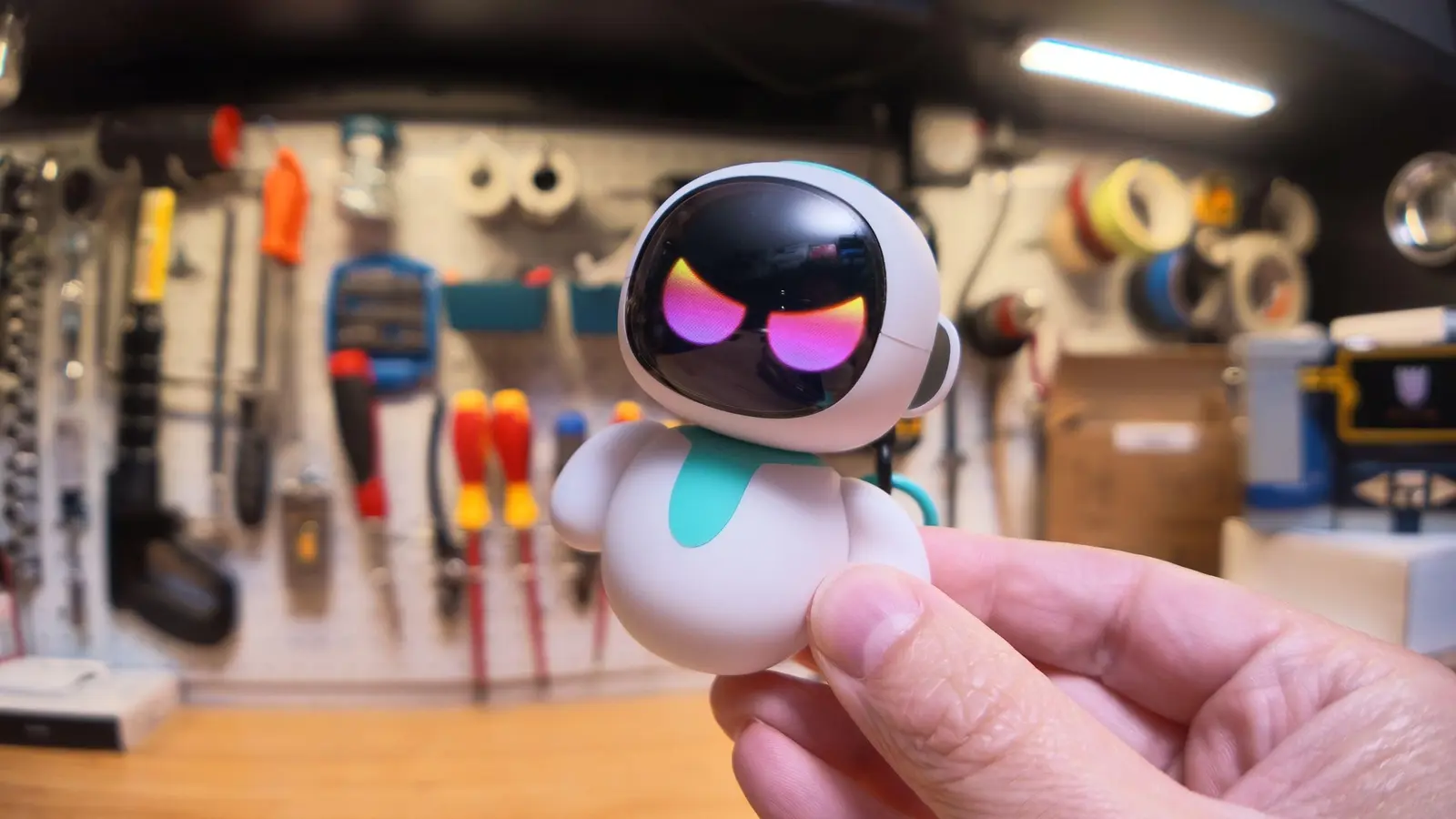 Eiliko Creator Hires Independent Security Firm After Flawy Robot Charm Exposed
 Musk Compares Optimus Robot Training to Raising a Toddler
 Atari VCS Software Store Closes in February 2027
The phones, announced at a virtual event this week, represent TCL’s first attempt to blend the reflective, low‑blue‑light properties of NXTPAPER with the high contrast of OLED. Engineers say the hybrid approach uses a thin NXTPAPER layer beneath the OLED stack, allowing the screen to switch between a standard bright mode and a reduced‑glare mode that mimics e‑ink. The Ultra model also incorporates a periscope‑style telephoto lens, promising clearer zoom shots in low light. TCL plans to start shipping the devices in late October, with pricing expected to sit between $599 and $799.
TCL’s research team explains that the NXTPAPER coating diffuses ambient light, cutting blue‑light emissions by up to 70 percent compared to conventional OLED screens. When the user activates „Comfort Mode,” the display lowers its peak brightness and adjusts the color temperature, creating a softer visual experience ideal for prolonged reading or gaming sessions. Despite the added layer, benchmark tests show the phones retain OLED’s rapid response times and deep black levels, with only a marginal impact on battery life—about a 5 percent reduction on a typical day‑long usage cycle. Early reviewers note the transition between modes feels seamless, and the screen remains vivid enough for HDR content.
Will the Ultra’s New Camera Change Mid‑Range Photography?
The Ultra variant’s camera system stands out with a 48‑megapixel primary sensor paired with a 5× optical zoom periscope lens. TCL claims the lens uses a folded optics design that keeps the phone thin while delivering sharper zoomed images. In low‑light tests, the camera reportedly captures 1.5 stops more light than the standard model, reducing noise without relying heavily on software upscaling. Industry analysts suggest this could push the Ultra into competition with other mid‑range flagships that traditionally rely on software tricks for zoom performance. If the camera lives up to its specifications, consumers may see a shift toward hardware‑driven zoom solutions in this price segment.
The introduction of a hybrid display and a more capable camera signals TCL’s ambition to break into the crowded US smartphone market. By addressing eye‑strain concerns—a growing complaint among heavy screen users—while maintaining OLED’s visual strengths, the company hopes to attract both productivity‑focused buyers and media enthusiasts. The market will watch how well the devices balance these features against established brands, and whether the hybrid technology can become a new standard for comfortable yet vibrant mobile screens.
Frequently Asked Questions
What is NXTPAPER and how does it differ from regular OLED? NXTPAPER is a reflective coating that reduces blue‑light output and glare, mimicking e‑ink characteristics. When combined with OLED, it offers a mode that eases eye strain while preserving OLED’s color richness.
Does the hybrid display affect battery life significantly? Testing indicates only a modest 5 percent drop in daily battery endurance when Comfort Mode is active, a trade‑off many users find acceptable for reduced eye fatigue.
Is the Ultra’s periscope camera truly better than typical mid‑range zoom lenses? The periscope design provides true 5× optical zoom without digital interpolation, delivering sharper detail and better low‑light performance than many competitors in the same price range.
Comments
Leave a comment