
How Snap’s Specs Redefine Untethered Augmented Reality
Snap Inc. demonstrated its new Specs AR glasses on September 16, 2026, showcasing a device that operates without a tethered phone, offers a higher resolution display than Meta’s most advanced headset, and promises a comfortable fit for everyday wear. The hands‑on session took place at Snap’s headquarters in Santa Monica, where engineers let journalists test navigation, media playback, and voice commands in real‑world scenarios.
Latest news
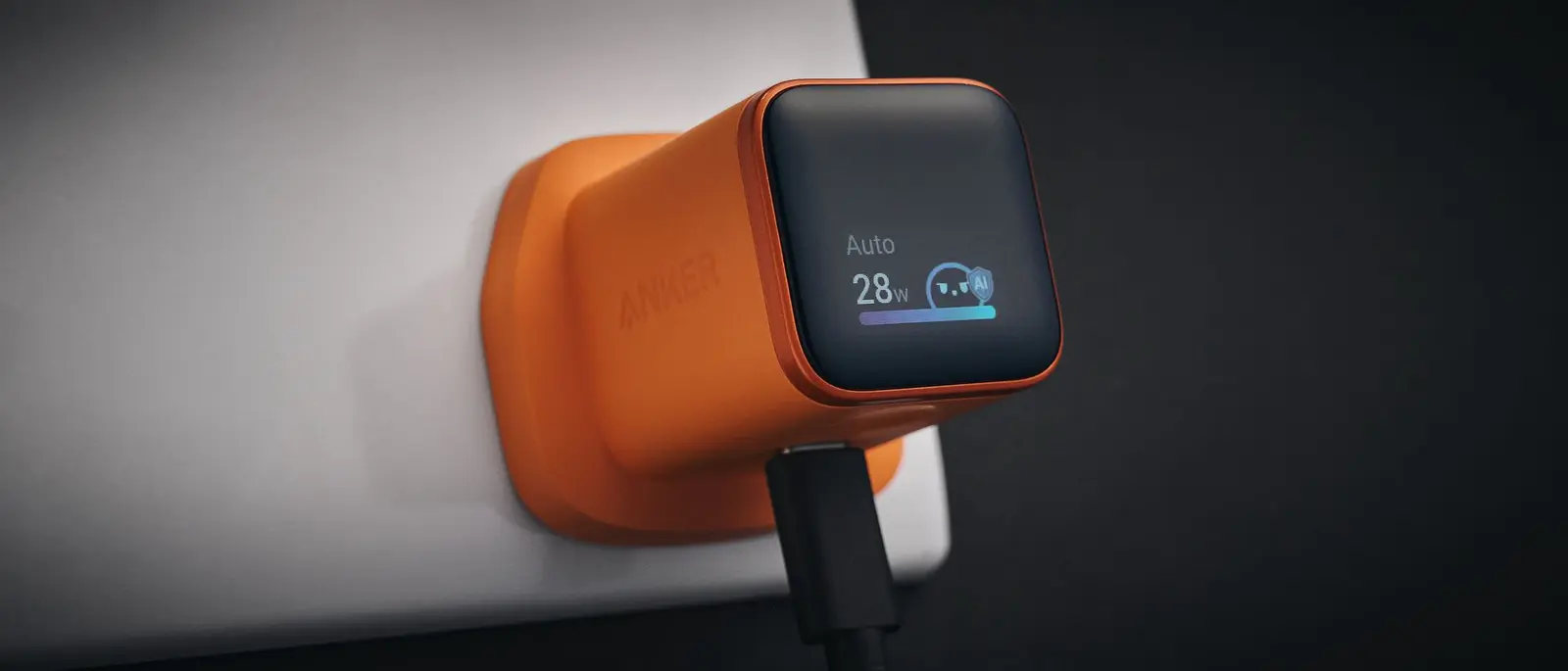 Anker Unveils Playful 45W Charger With Animated Face Display
 Google Docs Web Version Still Missing Native Dark Mode
 Anthropic-Linked Vulnerability Exploited From China, Targets US and Japan
 Text‑Based AI Agents: Your New Digital Assistants
The prototype features dual 4K micro‑LED panels, eye‑tracking sensors, and a custom Snapdragon processor that handles graphics locally. Unlike Meta’s Quest Pro, which still relies on a connected smartphone for certain functions, Snap’s Specs run entirely on the glasses, eliminating cables and external batteries. The design resembles a lightweight pair of sunglasses, with adjustable nose pads and a soft silicone frame that reviewers described as „mostly comfortable” after an hour of use. Snap aims to position the device as a consumer‑grade alternative to enterprise‑focused AR headsets, targeting social media interaction, navigation, and media consumption.
Snap’s engineers explained that the key to the untethered experience lies in a new low‑power AI chip that offloads vision processing from the main CPU. This chip enables real‑time object recognition, allowing the glasses to overlay directions onto the street view as users walk. In a live demo, a journalist asked the device to navigate to a nearby coffee shop; the glasses displayed a floating arrow that adjusted as the user turned corners, all without lag.
Will Consumers Adopt Snap’s Specs Over Competing Headsets?
The company also highlighted a proprietary optics system that reduces distortion and expands the field of view to 70 degrees, a noticeable improvement over Meta’s 55‑degree display. Early testers praised the clarity of text and the vividness of colors, noting that the glasses could render high‑resolution video streams without overheating. Snap plans to roll out a developer kit later this year, inviting creators to build apps that leverage the device’s on‑board processing and eye‑tracking capabilities.
Market analysts are cautious but optimistic. The price point, still undisclosed, is expected to sit between $600 and $800, positioning the Specs above most smart glasses but below high‑end AR headsets that cost upwards of $1,500. Snap’s massive user base on its social platforms could provide a built‑in audience for AR content, a strategic advantage over Meta, which has struggled to translate its VR hardware into mainstream usage.
However, adoption hinges on battery life and ecosystem maturity. Snap claims a full day of use under typical conditions, but real‑world testing will reveal whether the device can sustain intensive AR tasks without frequent recharging. Additionally, developers will need robust tools to create compelling experiences that justify wearing glasses for extended periods. If Snap can deliver a seamless blend of social features and practical utilities, the Specs could carve out a niche in the burgeoning AR market.
The launch of Snap’s Specs marks a significant step toward truly mobile augmented reality. By eliminating the need for external hardware and offering superior visual fidelity, Snap challenges the notion that high‑performance AR must be tethered to a phone or PC. The company’s next moves—final pricing, mass production timelines, and the rollout of a developer ecosystem—will determine whether the Specs become a mainstream gadget or remain a niche enthusiast product.
Frequently Asked Questions
What distinguishes Snap’s Specs from Meta’s Quest Pro? Snap’s glasses are fully untethered, run all processing on the device, and feature higher‑resolution micro‑LED displays with a wider field of view, while Meta’s headset still depends on a linked phone for some functions.
When will the Specs be available to consumers? Snap plans to release a developer kit later in 2026, with a consumer launch slated for early 2027, pending final hardware refinements and pricing decisions.
Can the glasses be used for extended periods without discomfort? Early reviewers reported that the lightweight frame and adjustable pads remain comfortable for up to an hour, though longer sessions may reveal fatigue; Snap is working on ergonomic tweaks before mass production.
Comments
Leave a comment