Bridging the Gap Between Eyewear and Mobile Software
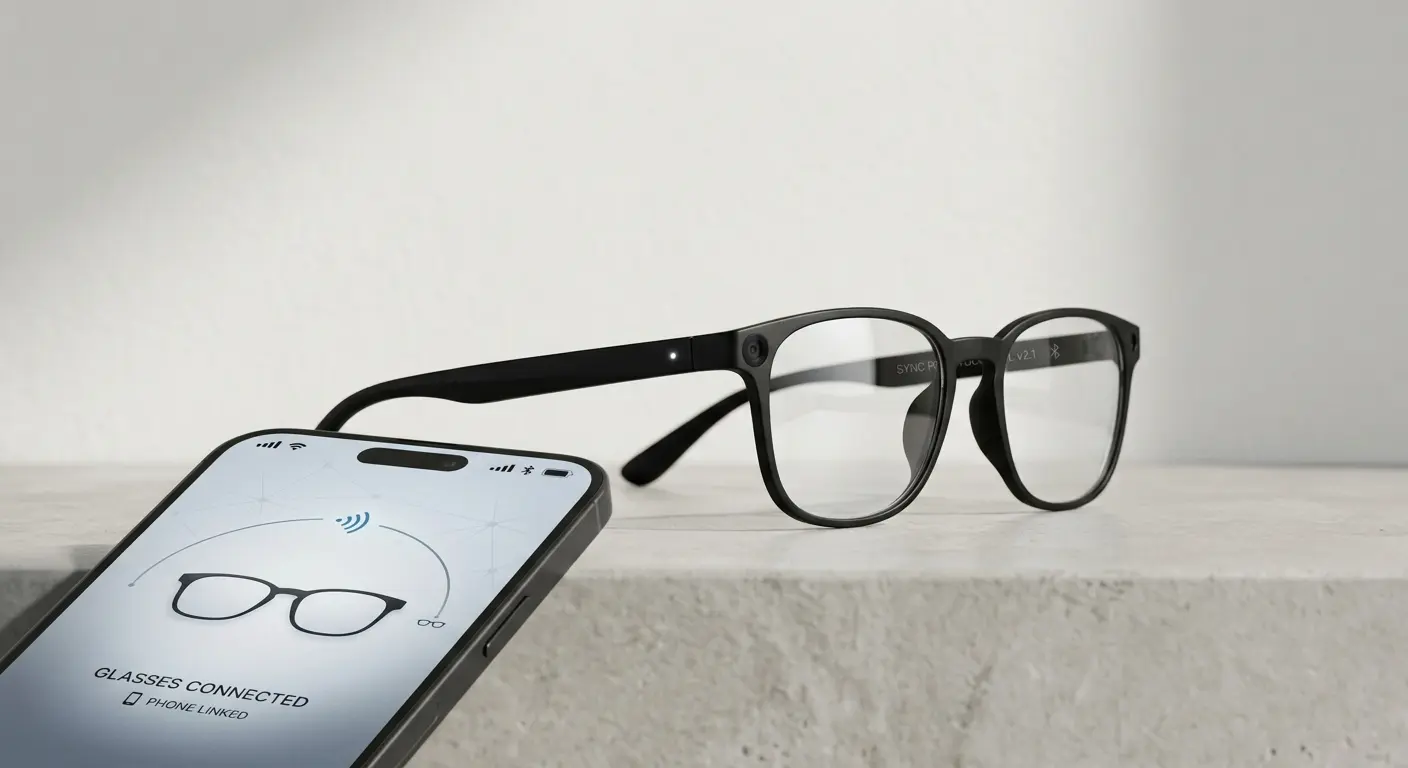
Tech developers are rapidly transforming smart glasses from a niche concept into a mainstream accessory for Android users worldwide. Recent advancements in third-party software and hardware integration are finally bringing these wearable devices into the daily routines of everyday consumers.
Latest news
 Anker Unveils Playful 45W Charger With Animated Face Display
 Google Docs Web Version Still Missing Native Dark Mode
 Anthropic-Linked Vulnerability Exploited From China, Targets US and Japan
 Text‑Based AI Agents: Your New Digital Assistants
For years, smart glasses remained in the same category as early foldable phones and experimental smartwatches. They existed as impressive concepts on paper but lacked the practical functionality and battery life required to appeal to the mass market.
The sudden shift in the wearable market comes down to improved compatibility with the Android ecosystem. Developers are creating specialized applications that allow glasses to sync seamlessly with existing mobile operating systems.
Will Consumers Embrace Everyday Facial Tech?
This integration enables users to access notifications, navigation, and hands-free translation directly through their lenses. By focusing on practical daily utility, manufacturers are successfully moving these devices out of the novelty phase and into the mainstream consumer tech space.
The ultimate success of this new product category depends on how naturally the technology fits into social situations. Early iterations struggled with bulky frames and intrusive cameras that made users feel self-conscious in public.
Modern designs prioritize a traditional aesthetic, hiding the advanced sensors and processors inside standard-looking frames. As battery efficiency improves and prices become more competitive, these glasses are positioned to become as common as wireless earbuds.
Frequently Asked Questions
What kept smart glasses from becoming popular in the past? Earlier models suffered from short battery life, bulky designs, and a lack of useful software. They functioned more like expensive prototypes than practical accessories for daily life.
How do these devices connect to Android phones? The glasses utilize advanced Bluetooth connections and dedicated third-party applications to sync data. This allows the eyewear to display notifications and run apps directly from the user's pocketed phone.
Are modern smart glasses designed for all-day wear? Yes, newer models focus on lightweight materials and extended battery life to ensure comfort. Designers are making them look like ordinary prescription glasses or sunglasses to encourage continuous use.
Comments
Leave a comment