
Tiny Chip, Big Gains
Samsung Electronics announced on July 2, 2026 that its next‑generation UFS 5.0 storage chip will replace traditional M.2 SSDs in upcoming laptops and tablets. The tiny module, smaller than a fingernail, promises faster data rates, lower power draw, and enhanced on‑device AI inference.
Latest news
 Corsair Vengeance DDR5-6000 Kit Offers Ideal Speed for AMD Builds
 Hide.me VPN releases major Android update
 Hackers launch massive PHP2Shell attack wave
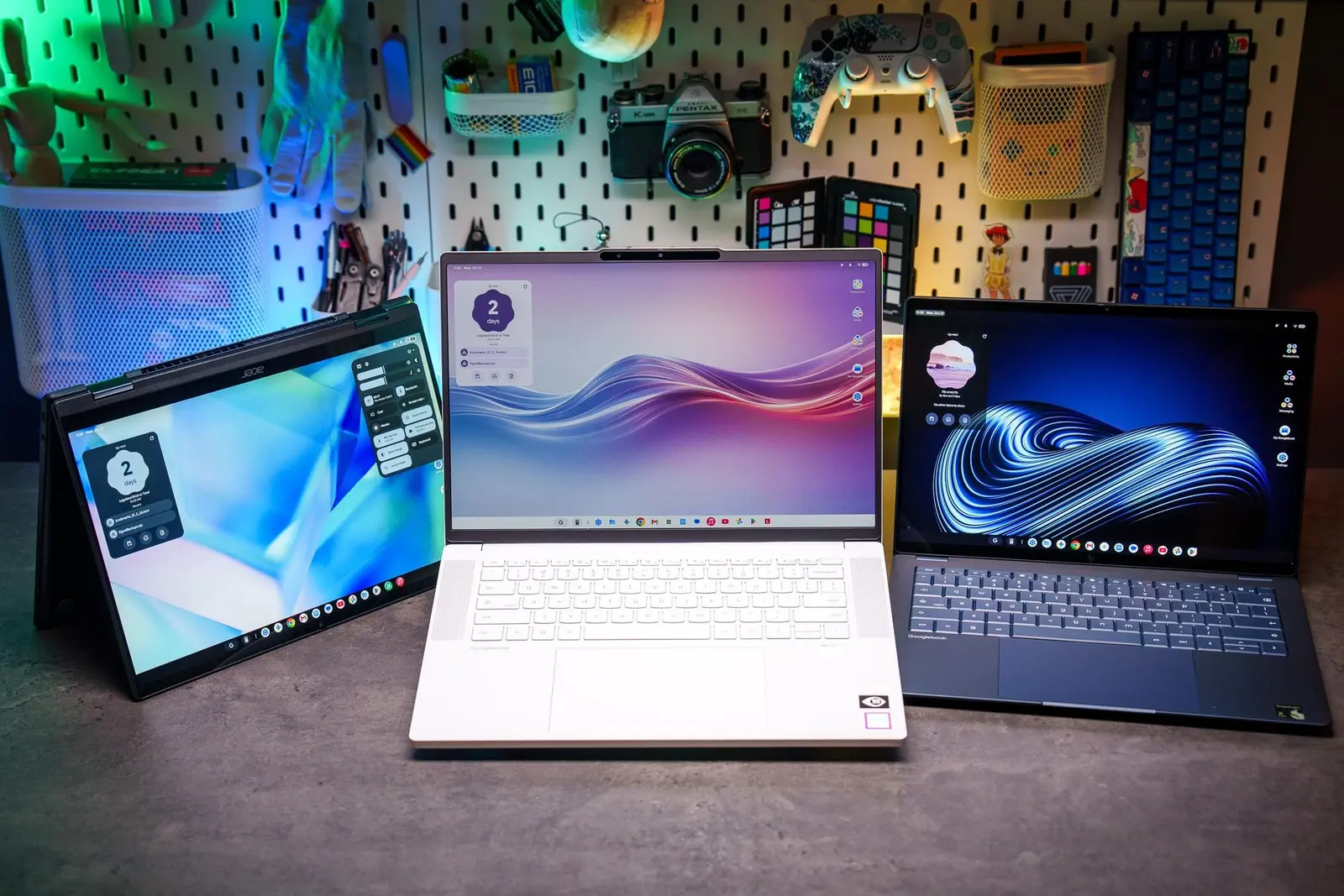 Googlebooks are not yet ready for prime time
The new chip delivers up to 10.8 GB/s throughput, surpassing PCIe 4.0 SSDs while consuming 40 % less energy. Samsung says the design integrates directly onto the motherboard, shortening signal paths and reducing latency. The move aims to extend battery life for thin‑and‑light devices and to support AI workloads that previously relied on cloud processing.
Engineers measured the chip’s bandwidth at 10.8 GB/s, a figure that exceeds the 8 GB/s ceiling of most current PCIe 4.0 SSDs. The reduction in power consumption stems from a newer UFS 5.0 controller that operates at lower voltages. Samsung’s spokesperson noted that the chip’s footprint fits within a 10 mm × 10 mm area, allowing manufacturers to free up space for larger batteries or additional components.
Will This Chip Replace M.2 SSDs in Laptops?
Early prototypes showed a 15 % increase in battery endurance during video playback and a 20 % boost in AI‑driven image recognition tasks. „By moving AI inference onto the device, we cut data transfer delays and protect user privacy,” the spokesperson added. The chip also supports NVMe over Fabrics, enabling seamless integration with existing software ecosystems.
Industry analysts predict a gradual shift rather than an immediate overhaul. The new storage solution targets premium ultrabooks where size and power are critical, but legacy devices will likely retain M.2 slots for compatibility. Samsung plans to partner with OEMs to pilot the technology in select 2027 models, testing durability and thermal performance under real‑world conditions.
If the chip meets reliability standards, manufacturers could phase out bulkier SSDs, simplifying board layouts and reducing overall device weight. However, the transition will depend on cost parity and the ability to produce the chips at scale. Competitors are also exploring similar integration, suggesting a broader move toward embedded storage across the industry.
The adoption of Samsung’s fingernail‑sized storage could reshape laptop design, delivering longer battery life and faster AI features without sacrificing storage capacity. As the market watches, the next few years will reveal whether this compact chip becomes the new norm for portable computing.
Frequently Asked Questions
What performance advantage does the new chip offer over current SSDs? It provides up to 10.8 GB/s read speed, roughly 35 % faster than typical PCIe 4.0 SSDs, while using 40 % less power.
Will existing devices be able to upgrade to this chip? The chip is soldered onto the motherboard, so retrofitting older laptops is not feasible. New devices will need to be designed with the chip from the start.
How does the chip improve on‑device AI inference? By processing AI models locally, it reduces latency and eliminates the need to send data to cloud servers, enhancing speed and privacy.
Comments
Leave a comment