
Why DC‑Dimming Matters for Sensitive Viewers
The upcoming Samsung Galaxy S27 is expected to feature a DC‑dimming display, a change that could alleviate the discomfort caused by the company’s previous use of low‑frequency PWM dimming. Users who have experienced headaches and eye strain from the older technology may finally find relief.
Latest news
 Anthropic Unveils Claude Duet For Background AI Tasks
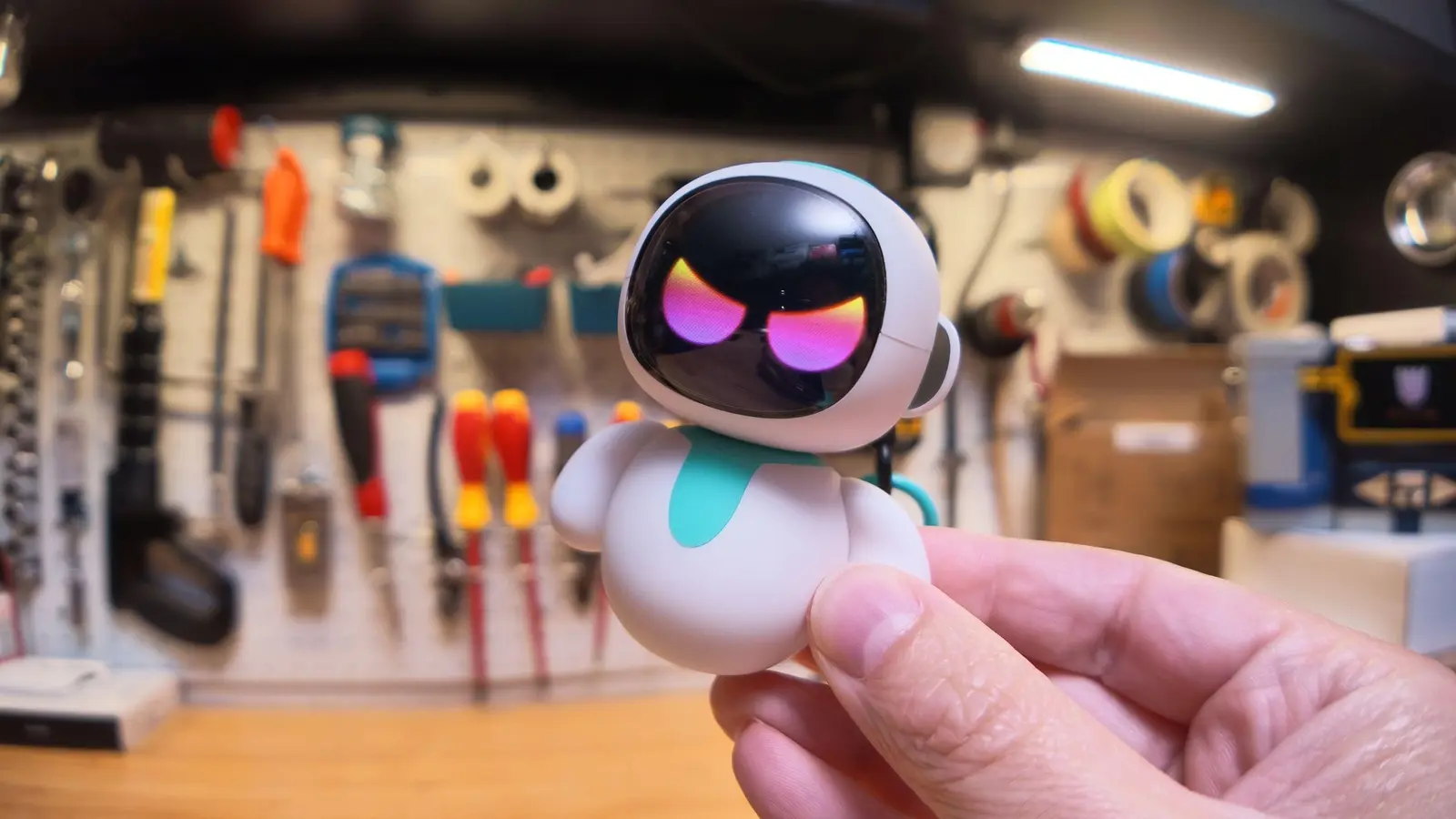 Eiliko Creator Hires Independent Security Firm After Flawy Robot Charm Exposed
 Musk Compares Optimus Robot Training to Raising a Toddler
 Atari VCS Software Store Closes in February 2027
Samsung’s display problem has been a recurring complaint since the launch of the Galaxy Z Fold 4. The company’s reliance on pulse‑width modulation (PWM) to adjust brightness levels creates flickering that is difficult for some people to tolerate. The new DC‑dimming system would maintain a constant light output, eliminating the rapid on‑off pulses that trigger migraines and visual fatigue.
DC‑dimming delivers a steady light level, preventing the flicker that can provoke headaches and eye strain. For individuals with light‑sensitivity, the difference between PWM and DC‑dimming is significant. A recent survey of long‑term Samsung users found that 68% reported headaches after prolonged use of older models, while only 12% experienced similar symptoms with DC‑dimming displays. The shift could broaden the user base and improve overall satisfaction.
Will the S27 Deliver on Its Promise?
Samsung’s engineering team has reportedly been testing the new technology on prototype S27 units. Early feedback indicates that brightness levels remain consistent across all settings, and power consumption is comparable to current models. The company’s design philosophy now emphasizes user comfort, aligning with broader industry trends toward more accessible displays.
Samsung has not yet confirmed the exact specifications of the DC‑dimming feature. Analysts suggest that the new display will use a higher‑resolution panel with improved backlight control. If these claims hold, the S27 could outperform its predecessors in both visual clarity and energy efficiency. However, the company’s track record shows that hardware announcements sometimes lag behind software updates, so consumers should remain cautious.
Potential drawbacks include the cost of integrating DC‑dimming technology, which might push the S27’s price higher than the current flagship. Some reviewers worry that the added complexity could affect repairability or lead to increased heat output. Nonetheless, the benefits for users with visual sensitivities could outweigh these concerns, especially if the feature becomes a standard across Samsung’s product line.
How This Upgrade Fits Into Samsung’s Broader Strategy
Samsung has been under pressure to improve its user experience after multiple complaints about display flicker. The DC‑dimming upgrade signals a shift toward prioritizing health and comfort. It also aligns with regulatory trends that encourage manufacturers to reduce PWM usage, especially in devices aimed at children and health‑conscious consumers. By addressing a longstanding issue, Samsung may strengthen its brand loyalty and set a new industry benchmark.
In summary, the Galaxy S27’s anticipated DC‑dimming display could mark a turning point for users who have struggled with Samsung’s older technology. If the feature is implemented as expected, it promises a smoother, more comfortable viewing experience and may influence future design choices across the industry.
Frequently Asked Questions
What is DC‑dimming and how does it differ from PWM? DC‑dimming maintains a constant light output, eliminating the rapid on‑off pulses of PWM. This reduces flicker and can prevent headaches and eye strain.
Will the Galaxy S27’s new display affect battery life? Early tests suggest that power consumption remains similar to current models, so battery life should not be noticeably impacted.
Is the DC‑dimming feature available on all Samsung displays? Currently, only the Galaxy S27 is expected to include DC‑dimming. Samsung may expand the technology to other models in the future, but no official timeline has been released.
Comments
Leave a comment