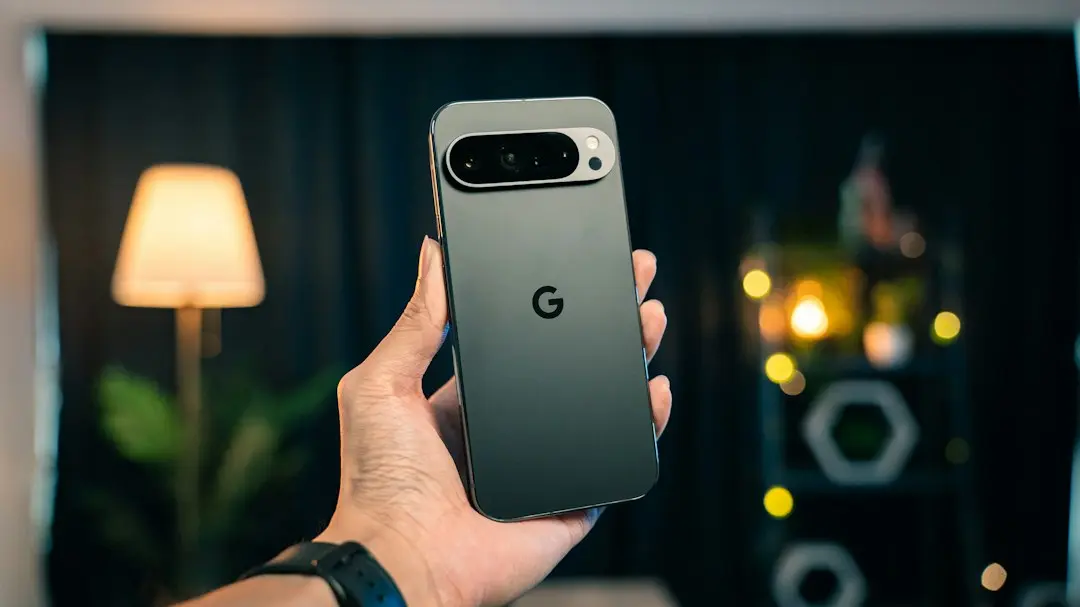
Bridging the Gap in Hardware Efficiency
The Pixel 11 Pro has established itself as a formidable contender in the high-end smartphone market since its recent launch. While users generally praise its performance and camera capabilities, early adopters have identified specific areas where Google must innovate. Addressing these shortcomings will be essential for the upcoming Pixel 12 Pro release.
Latest news
 Anthropic Unveils Claude Duet For Background AI Tasks
 Eiliko Creator Hires Independent Security Firm After Flawy Robot Charm Exposed
 Musk Compares Optimus Robot Training to Raising a Toddler
 Atari VCS Software Store Closes in February 2027
The current device excels in software integration and AI-driven photography, yet it struggles with hardware consistency. Users have reported concerns regarding thermal management during intensive tasks and battery efficiency under heavy loads. These technical hurdles often detract from the premium experience that Google aims to provide with its flagship hardware lineup.
Thermal regulation remains the most significant barrier to the Pixel series achieving true industry dominance. When the processor runs hot, the system throttles performance to protect internal components. This creates a noticeable lag during gaming or high-resolution video editing. Google needs to implement a more robust cooling solution to sustain peak speeds.
Can Google Solve the Persistent Connectivity Hurdles?
Furthermore, power management requires a complete overhaul to compete with rival devices. While the software is optimized, the hardware architecture often drains energy faster than expected. A more efficient modem and display driver could significantly extend daily usage. Users expect a flagship phone to last through the most demanding days without needing a midday charge.
Reliability in cellular connectivity is the third pillar that demands immediate attention. Despite updates, some users continue to experience signal drops in areas where other devices maintain stable connections. A smartphone is fundamentally a communication tool, and inconsistent reception undermines the core purpose of the device. Upgrading the antenna array is a necessary step for the next iteration.
If Google fails to address these hardware-centric issues, it risks losing its most loyal customers to competitors. The software experience is currently industry-leading, but it cannot carry the weight of hardware flaws indefinitely. Refining these three areas will determine if the Pixel 12 Pro becomes a true market leader or merely another incremental update.
Frequently Asked Questions
What are the primary hardware complaints regarding the Pixel 11 Pro? Users primarily cite issues with thermal throttling during heavy use, inconsistent battery life, and occasional cellular signal instability.
Why is thermal management critical for the next model? Effective cooling prevents the processor from slowing down, ensuring the phone maintains high performance during demanding tasks like gaming or video editing.
Will software updates fix these specific hardware problems? While software can optimize power usage, fundamental issues like signal drops and heat dissipation often require physical hardware improvements in the next design cycle.
Comments
Leave a comment