
AI's Ripple Effect on Consumer Tech
Apple's MacBook Air is reportedly facing significant production delays. A global shortage of memory components is causing the disruption. This issue stems from the massive expansion of artificial intelligence data centers.
Latest news
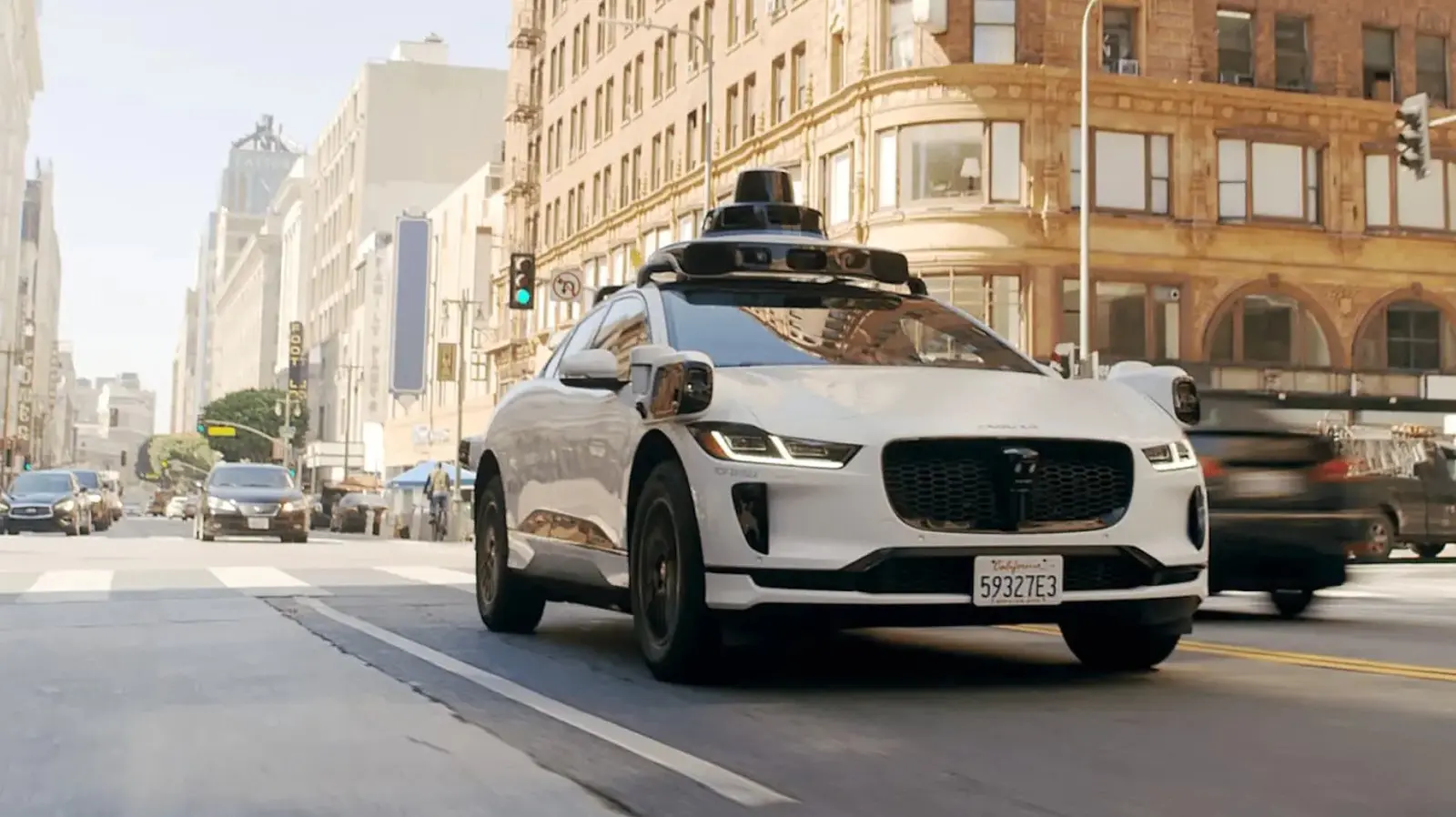 California Imposes Penalties for Robotaxis Obstructing Emergency Services
 Meta’s AI Agent Muse Builds Comprehensive Dossiers on Close Contacts
 The State of Cybersecurity in 2026: Key Segments, Insights, and Innovations
 Why the Rumored iPhone Duo Excites Android Foldable Fans
The demand for high-performance memory in these data centers has reshaped the entire electronics supply chain. Consumer-grade memory and storage components are now much harder to acquire. This shift is impacting various sectors, including personal computing.
The construction of numerous AI data centers across the United States is the primary cause. These facilities require vast quantities of advanced HBM2 DRAM. This high-volume purchasing has diverted crucial components. As a result, prices for SSDs and DDR5 RAM have surged.
How Does This Affect MacBook Air Availability?
This increased cost and scarcity directly affect manufacturers of consumer devices. Companies like Apple rely on a steady supply of these components. The current market conditions make securing them extremely challenging.
The scarcity of memory directly impacts MacBook Air production lines. Manufacturers cannot build new units without these essential parts. This leads to fewer devices being available for purchase. Consumers may experience longer wait times or higher prices.
The situation highlights the interconnectedness of the tech industry. Innovations in one area, like AI, can have unforeseen consequences elsewhere. The focus on AI infrastructure is inadvertently squeezing the consumer electronics market. This trend is likely to continue as AI development accelerates.
Frequently Asked Questions
What is causing the memory shortage? The rapid expansion of AI data centers is driving up demand for advanced memory. This high demand is depleting the supply of components also used in consumer electronics.
Which specific components are affected? High-bandwidth memory (HBM2 DRAM) is in high demand for AI. This has led to shortages and price increases for consumer-grade SSDs and DDR5 RAM.
Will other consumer electronics be impacted? Yes, the shortage affects the entire consumer electronics industry. Any device requiring memory and storage, such as laptops, desktops, and even some smartphones, could see production delays or price increases.
Comments
Leave a comment