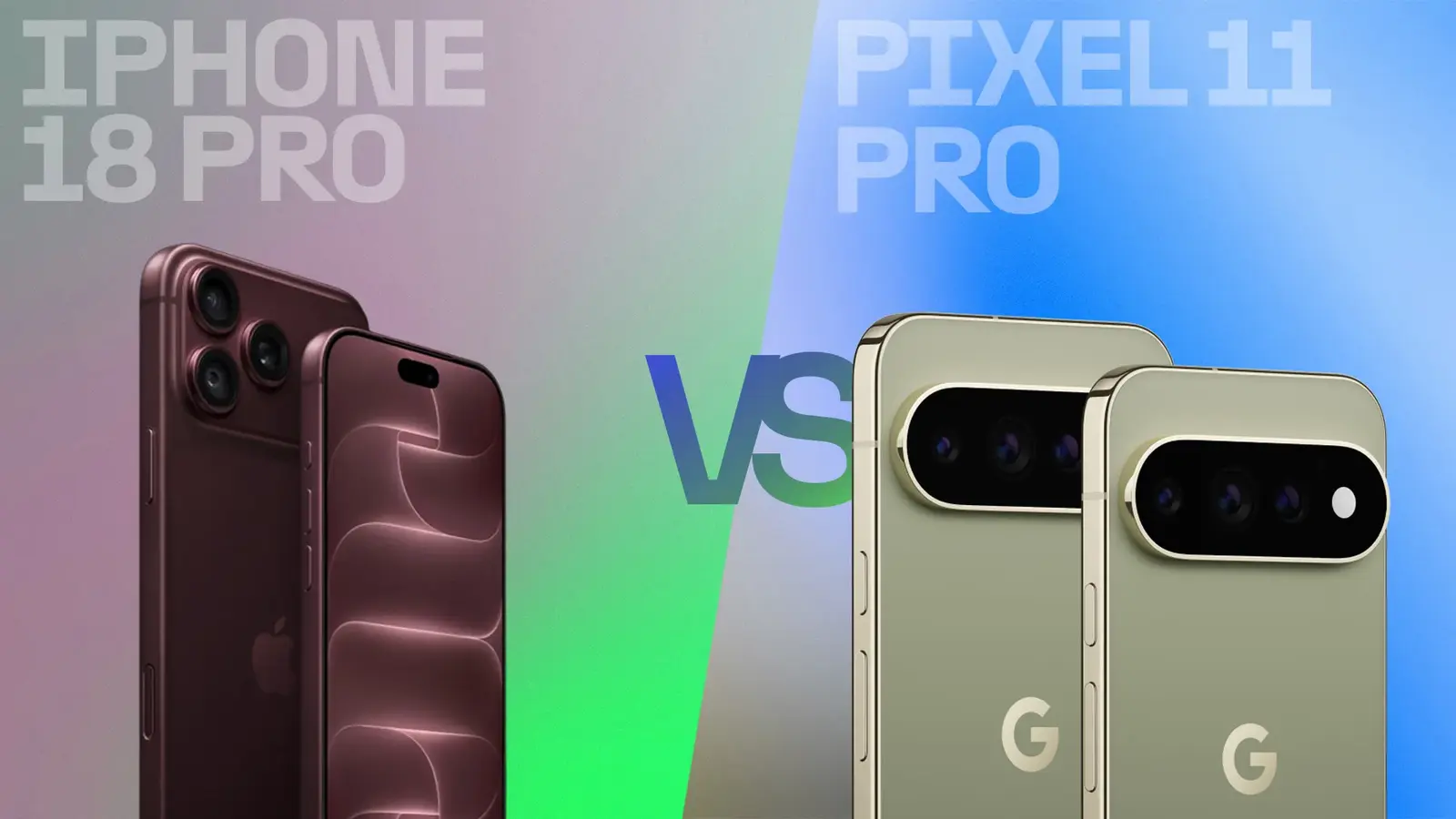
Camera and Battery Advancements
The i Phone 18 Pro stands out with a variable aperture diaphragm, enabling precise control over light exposure in photography. It also offers remarkably long battery life, making it highly capable for media capture despite its premium price. Google’s Pixel 11 Pro features a larger 48-megapixel telephoto sensor that captures 30% more light than the Pixel 10 Pro. This supports 30x digital zoom and a 120x Pro Zoom mode, where generative AI enhances distant images by reducing noise and improving detail.
Latest news
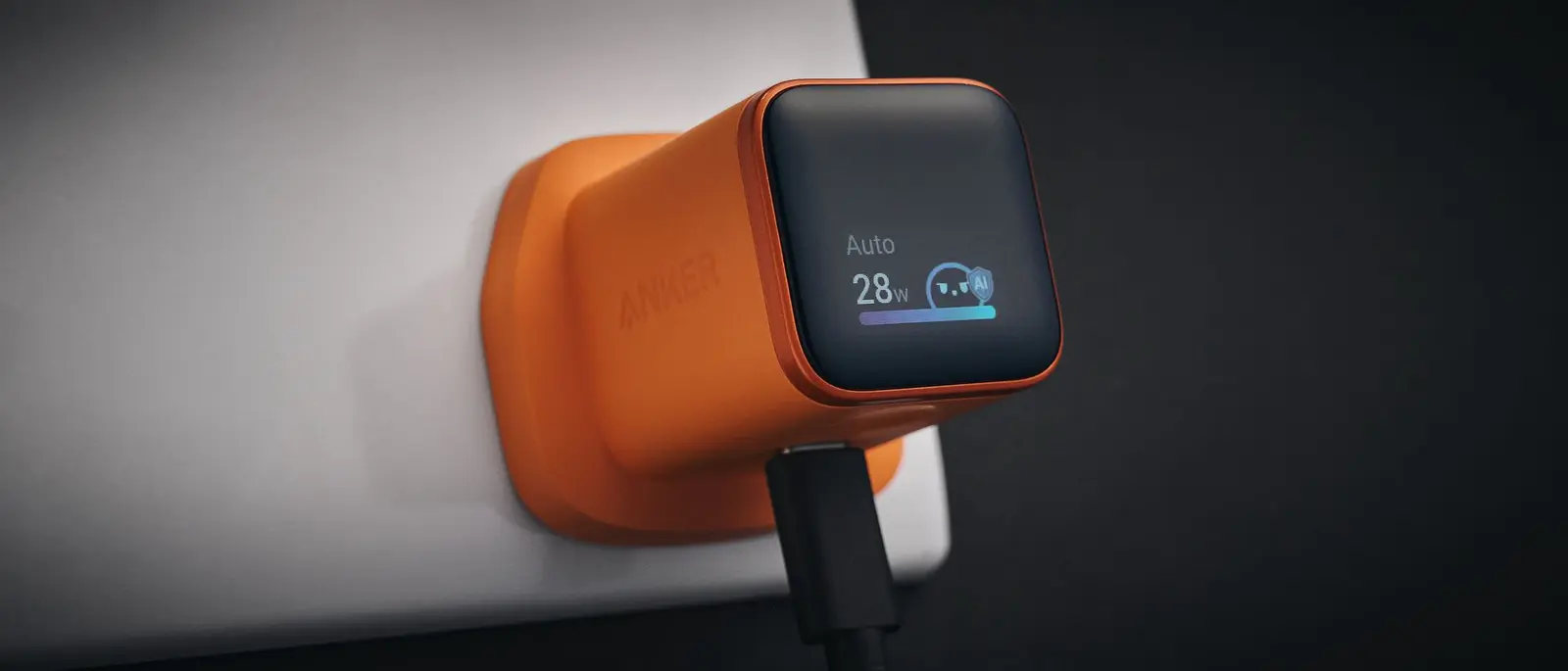 Anker Unveils Playful 45W Charger With Animated Face Display
 Google Docs Web Version Still Missing Native Dark Mode
 Anthropic-Linked Vulnerability Exploited From China, Targets US and Japan
 Text‑Based AI Agents: Your New Digital Assistants
Design and Build
The i Phone 18 Pro adopts a monoblock aluminum design with a clean monochrome finish, contrasting the bicolor look of the i Phone 17 Pro. Available colors are burgundy red, glacial blue, silver, and black. The Pixel 11 Pro features a full-width camera bar spanning the device, paired with edge-to-edge glass for a seamless look. Its color options include Canyon (orange-pink), Misty White, Olive Green, and Obsidian Black. Both phones have matching frames that create a unified visual appearance.
Ergonomics and Display
The Pixel 11 Pro weighs 204 grams, while the i Phone 18 Pro is slightly heavier at 211 grams—roughly equivalent to a medium-sized apple. Both devices feature 6.3-inch OLED displays with a dynamic 120 Hz refresh rate. They share IP68 certification, ensuring resistance to dust and water, making them suitable for use at the beach or in rainy conditions.
Front Design Details
A notable update on the i Phone 18 Pro is the reduced size of the Dynamic Island, which now serves as a more discreet cutout for the selfie camera and Face ID sensors. This smaller footprint improves frontal hardware integration compared to the i Phone 17 Pro Max from the previous year.
Comments
Leave a comment