
The Folding Test
Samsung Display's high-security lab in South Korea is where the company's latest mobile displays are put through rigorous testing. I visited in June. The lab is home to rows of machines that stress test the company's newest screens.
Latest news
 Anthropic Unveils Claude Duet For Background AI Tasks
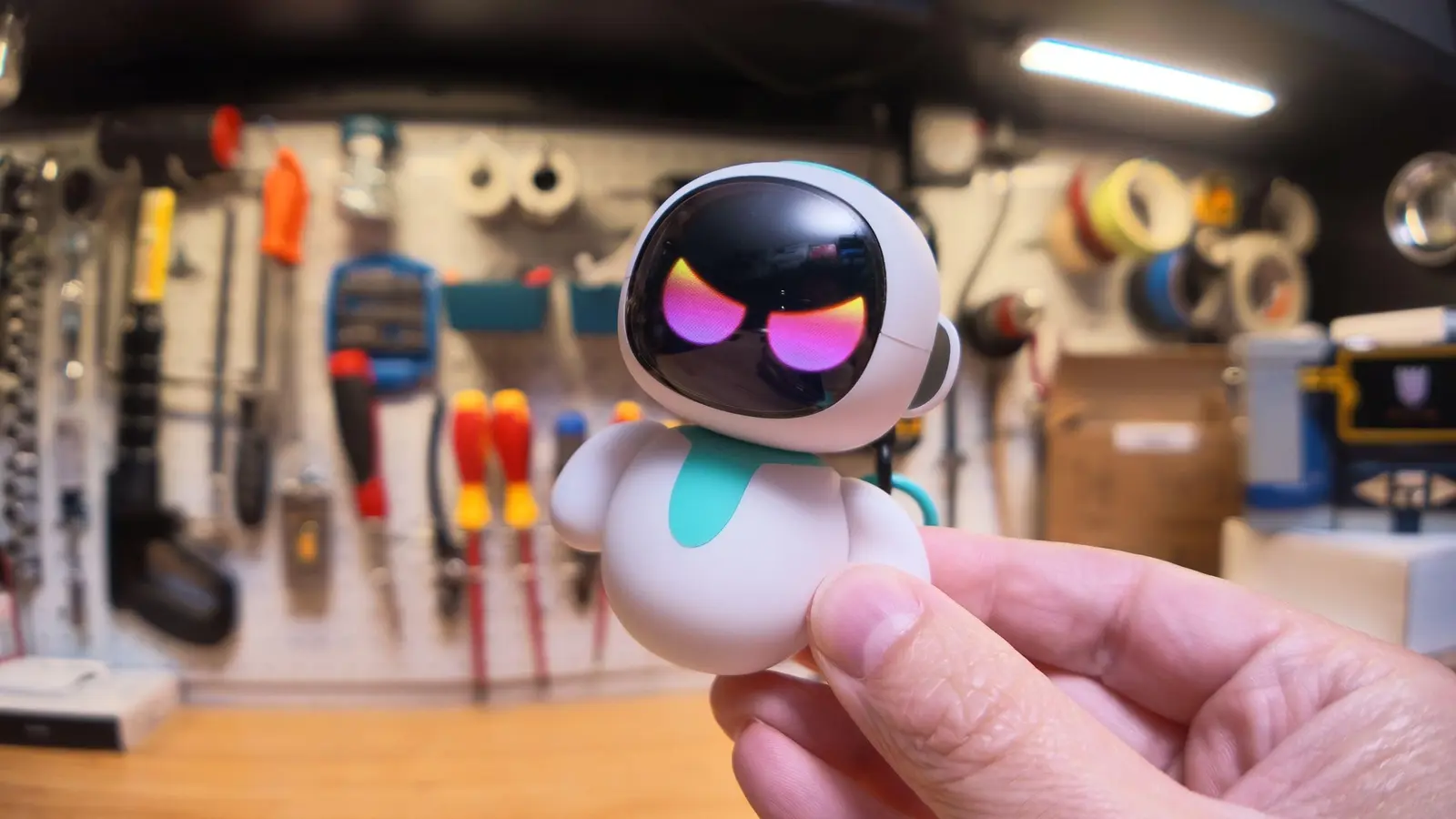 Eiliko Creator Hires Independent Security Firm After Flawy Robot Charm Exposed
 Musk Compares Optimus Robot Training to Raising a Toddler
 Atari VCS Software Store Closes in February 2027
The lab is a secluded room deep within Samsung Display's headquarters. Here, engineers push the company's foldable screens to their limits. The machines repeatedly fold, flex, and stress test the displays.
Can Foldables Replace Traditional Screens?
The machines can fold a display up to half a million times. This is equivalent to a user folding their phone around 100 times a day for three years. The test helps Samsung ensure its foldable screens can withstand the wear and tear of daily use.
Samsung's engineers are working to improve the durability of their foldable screens. They are also exploring new form factors, such as screens that can be rolled up like a scroll. The company's latest displays are designed to be more flexible and resilient than ever before.
Frequently Asked Questions
As Samsung continues to push the boundaries of display technology, the question remains whether foldable screens will become the norm. With companies like Samsung investing heavily in the technology, it's likely that foldables will become increasingly popular.
The advancements being made in Samsung's display lab will have significant consequences for the tech industry. As foldable screens become more durable and affordable, they could potentially disrupt the traditional smartphone market. With Samsung leading the charge, it's likely that we'll see more innovative display technologies in the future.
Comments
Leave a comment