
How do the camera upgrades affect everyday photography?
Google’s Pixel 11 arrived with a familiar design but meaningful improvements under the surface. After two years of incremental updates, the device now offers enough refinements to reconsider an initial decision to pass. The changes span camera performance, battery life, software features, display quality, and charging speed, collectively making the phone feel more competitive than its predecessor suggested at first glance.
Latest news
 Major AI firms recorded peak lobbying expenses last summer
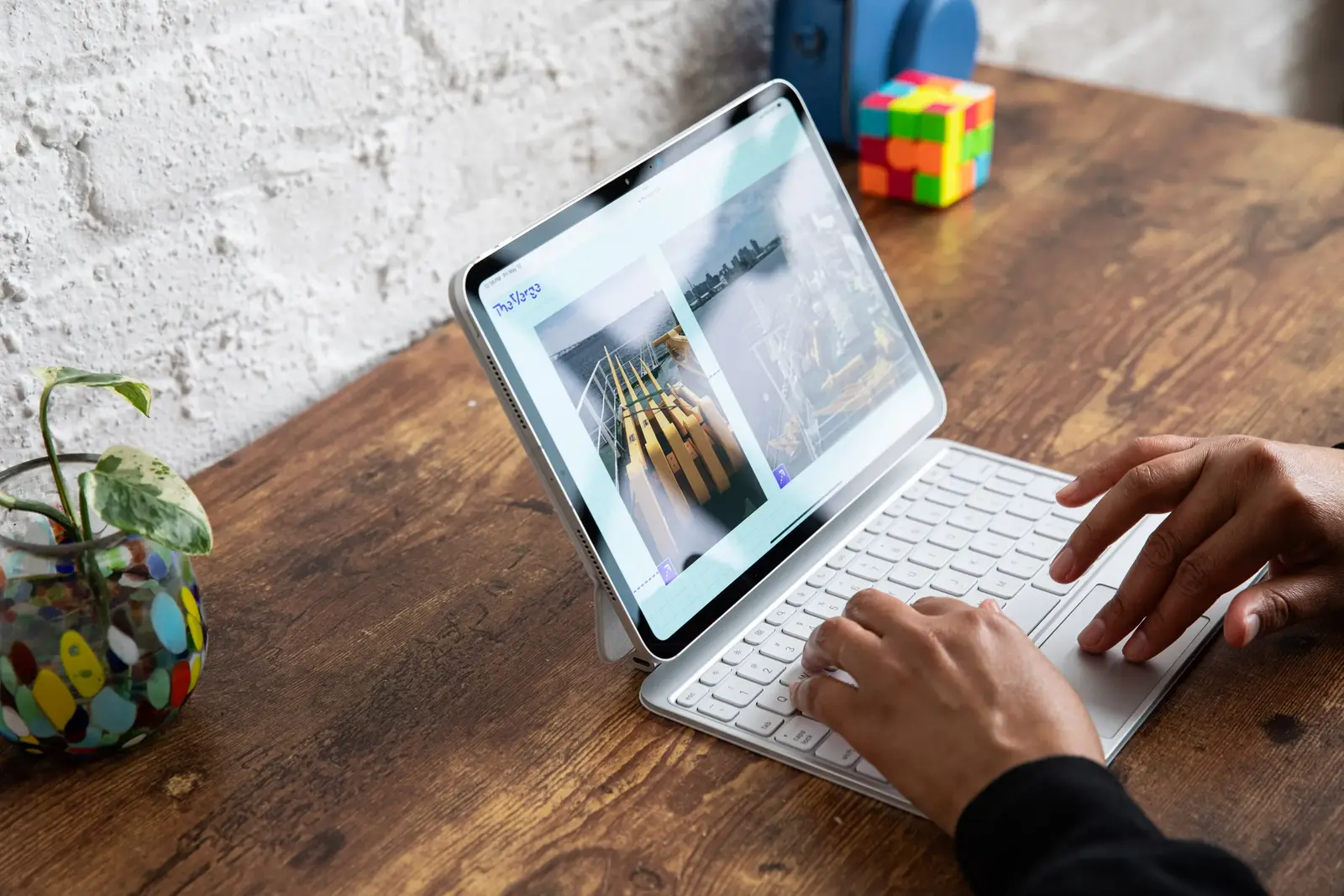 Apple Magic Keyboards for iPad Drop to Half Price at Woot
 Microsoft Provides Fix for Broken Exchange Online Apps
 Security Breach at AI Aggregator Exposes 18 Million Files and Private Chats
The Pixel 11 retains the clean aesthetic Google has refined over recent generations, but internal upgrades address long-standing user concerns. Camera processing now delivers sharper low-light photos thanks to an updated tensor chip and refined software algorithms. Battery endurance has improved by approximately 20 percent in mixed usage, reducing the need for midday top-ups. Software enhancements include deeper AI integration for call screening and real-time translation, while the display supports brighter outdoor visibility and a smoother adaptive refresh rate. Charging speed has also increased, with wired power delivery now reaching 30 watts, a notable bump from the previous model’s 23 watts.
What makes the battery life improvement noticeable in real use?
The Pixel 11’s main sensor captures more detail in shadows and highlights, particularly during sunset or indoor scenes. Google’s computational photography now balances natural skin tones with vibrant backgrounds without overprocessing. Users report fewer instances of blown-out highlights in backlit shots, a common complaint with earlier models. Video stabilization has also improved, making handheld footage look steadier without needing gimbal support. These changes collectively reduce the need for third-party editing apps for casual sharing.
The Pixel 11 lasts through a full day of moderate use, including streaming, navigation, and messaging, with about 20 percent charge remaining by evening. This represents a tangible gain over the Pixel 10, which often required recharging before bed under similar conditions. Adaptive battery management now learns app usage patterns more effectively, limiting background drain from infrequently used tools. The gain is especially evident during travel or outdoor activities where charging access is limited. Users no longer need to carry a power bank for daily commutes or short trips.
Does the Pixel 11 support wireless charging at higher speeds? Yes, wireless charging has increased to 23 watts, up from 18 watts on the Pixel 10, allowing faster top-ups when using compatible pads.
Frequently Asked Questions
Is the display upgrade worth noting for outdoor visibility? The peak brightness now reaches 1,600 nits, making screens clearer in direct sunlight compared to the previous model’s 1,200 nits.
Are the software features exclusive to the Pixel 11? Some AI-powered tools like enhanced call screening and live translate require the new tensor chip and are not available on older Pixel devices via update.
Comments
Leave a comment