
Why the Subtle Shade Outshines the Bold Options
Google unveiled the Pixel 11 Pro in three eye‑catching finishes—Olive, Fog and Canyon—at its spring launch in San Francisco. While the hues look striking in the showroom, early owners reported an odd tactile disappointment when handling the phones. One reviewer, who opted for the understated „Plain Black” variant, says the modest shade proved to be the most practical and satisfying choice for everyday use.
Latest news
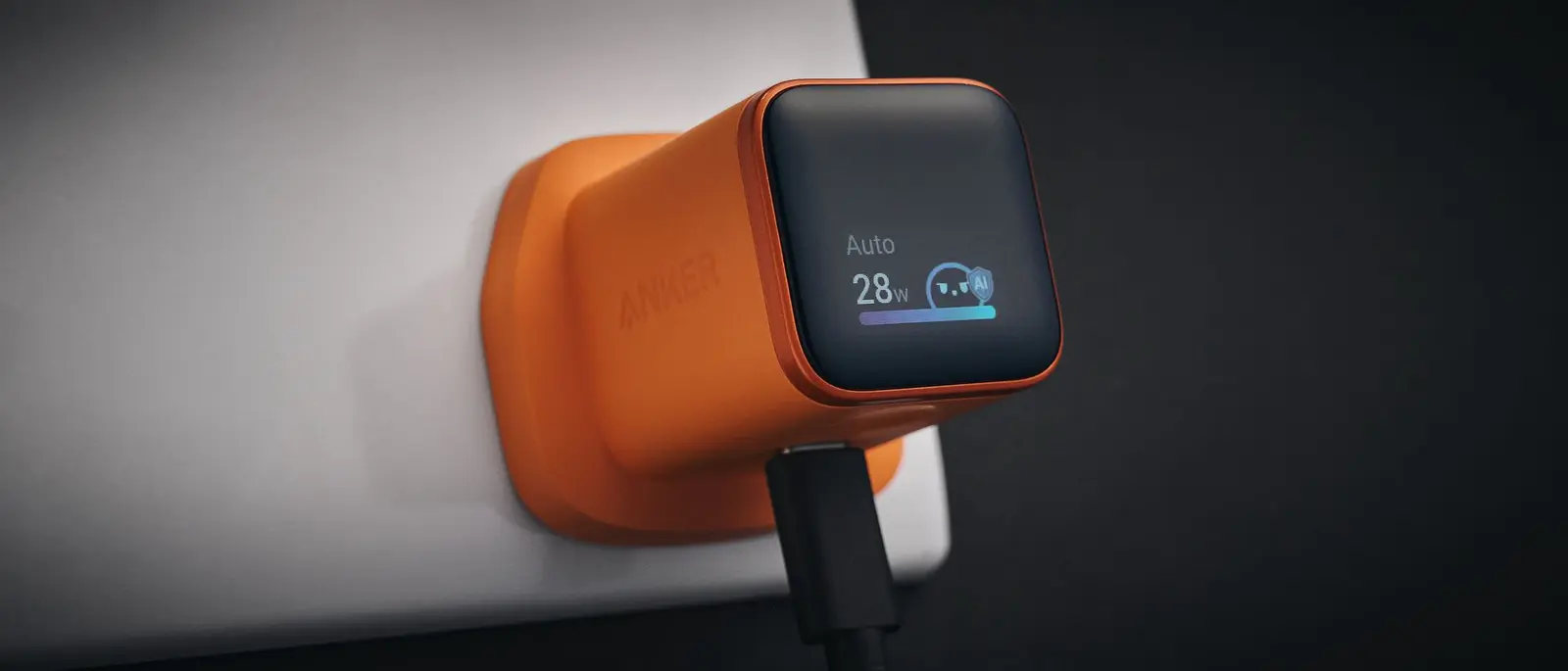 Anker Unveils Playful 45W Charger With Animated Face Display
 Google Docs Web Version Still Missing Native Dark Mode
 Anthropic-Linked Vulnerability Exploited From China, Targets US and Japan
 Text‑Based AI Agents: Your New Digital Assistants
The reviewer’s decision was driven by a desire for a device that would blend into any setting without drawing unwanted attention. After testing the three colorful models, he found the glossy, textured surfaces of Olive, Fog and Canyon felt sticky and attracted fingerprints, making the phones look dirty quickly. In contrast, the matte black finish stayed clean, felt solid in hand, and matched his minimalist aesthetic. He notes that the color choice also impacted resale value, as neutral tones tend to attract a broader pool of buyers.
The reviewer explains that the tactile experience of a phone matters as much as its visual appeal. „When I first held the Olive model, the surface seemed almost waxy, and I could feel smudges forming within minutes,” he said. The Fog finish, while softer in tone, suffered from a similar issue: a faint sheen that highlighted every fingerprint. Canyon, with its earthy green, was the most prone to showing dust and oil, especially under bright light. By contrast, the plain black version featured a low‑gloss coating that resisted smudging and felt sturdier.
Does a Dull Color Really Matter for Performance?
He also points out that the neutral color pairs well with accessories. „I can switch cases, chargers, and even car mounts without worrying about clashing,” he added. The reviewer’s experience aligns with market data showing that neutral smartphones retain higher resale prices, often fetching 5‑10 % more than their colorful counterparts after a year of use.
The color of a smartphone does not affect its internal hardware, but it can influence user perception and long‑term satisfaction. The reviewer observed no difference in battery life, camera quality, or processing speed among the three finishes. However, the psychological impact of a „clean” look contributed to a more confident user experience. He notes that fewer distractions from the phone’s appearance allowed him to focus on productivity apps and photography, rather than constantly wiping the screen.
The plain black Pixel 11 Pro also proved less likely to cause accidental drops. Its matte surface offered a better grip, reducing the chance of slips compared to the smoother, glossy finishes of the other colors. This practical benefit, combined with the aesthetic neutrality, made the choice feel like a win‑win for both daily use and long‑term ownership.
The reviewer concludes that while bold colors can be fun for short‑term novelty, a restrained palette offers durability, resale advantage, and a timeless look. As more manufacturers experiment with vibrant finishes, his experience suggests that consumers may still gravitate toward classic shades for everyday reliability.
Frequently Asked Questions
Will the plain black Pixel 11 Pro look outdated over time? The neutral black finish is designed to stay timeless; it rarely goes out of style and matches most accessories, keeping the phone looking current for years.
Do the colorful Pixel 11 Pro models have any functional advantages? No functional differences exist; the variations are purely cosmetic, affecting only appearance and the feel of the surface.
Is the resale value really higher for neutral colors? Industry resale reports consistently show that phones in black or gray command higher prices, typically 5‑10 % more than brightly colored versions after a year of use.
Comments
Leave a comment