
How Open Headunit transformed a spare tablet into a car display
An aging Android tablet found new purpose as a wireless Android Auto display in my vehicle, eliminating the need to touch the factory radio. The transformation came through the Open Headunit app, which repurposed the tablet into a functional dashboard screen at zero cost. This setup has remained in place since installation, with the car’s original infotainment system untouched.
Latest news
 Anthropic Unveils Claude Duet For Background AI Tasks
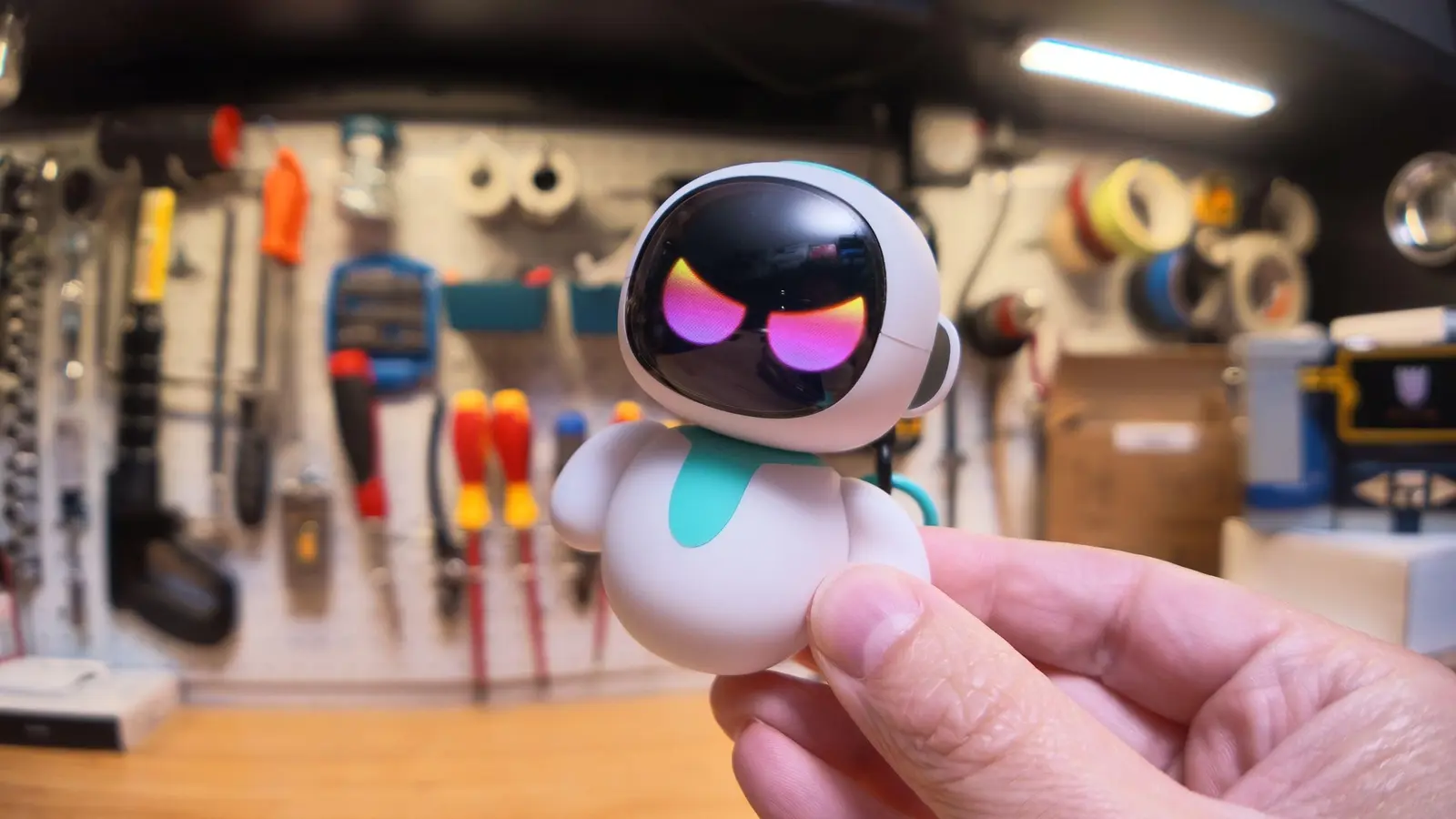 Eiliko Creator Hires Independent Security Firm After Flawy Robot Charm Exposed
 Musk Compares Optimus Robot Training to Raising a Toddler
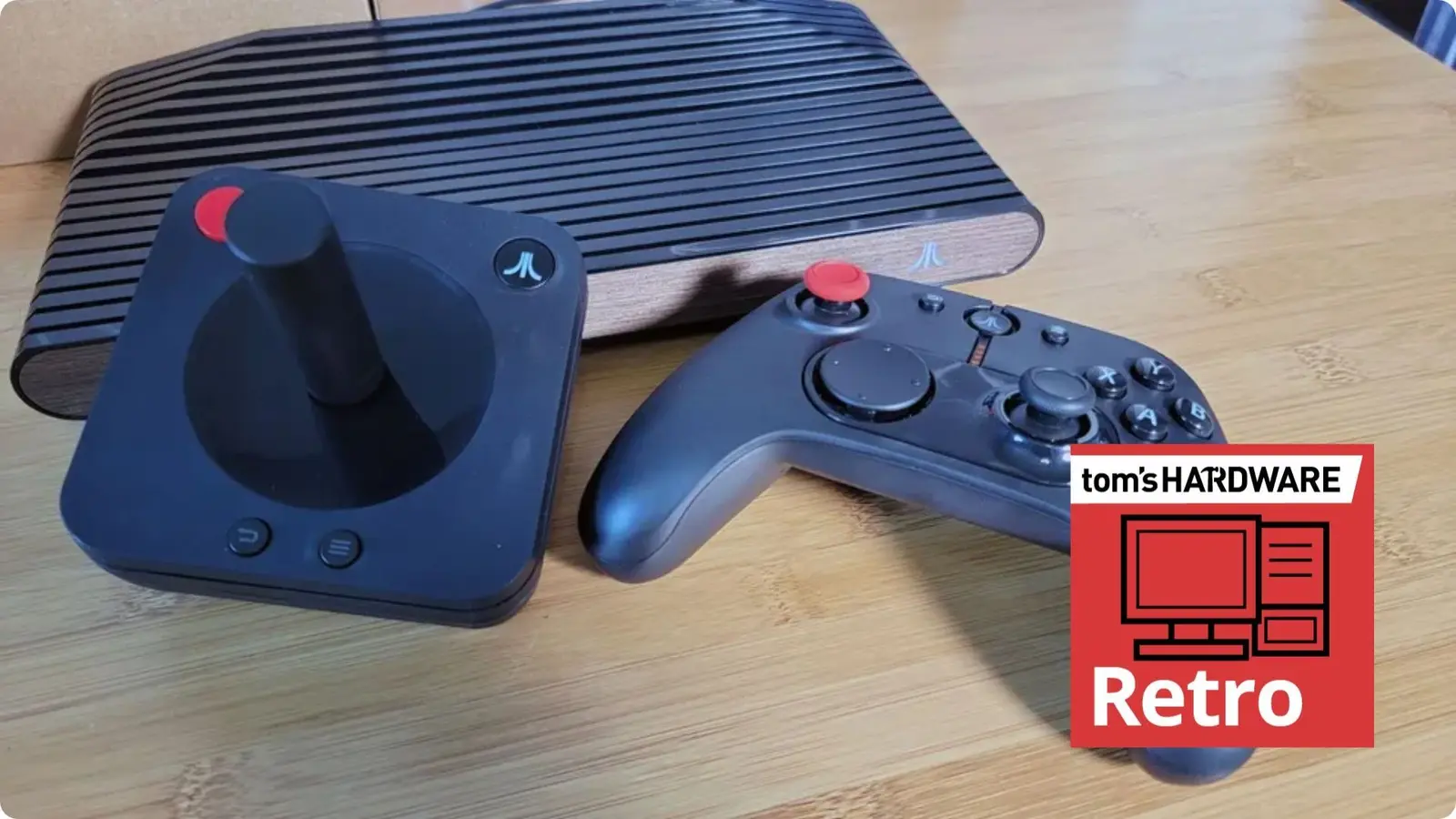 Atari VCS Software Store Closes in February 2027
The idea emerged from a desire to upgrade the driving experience without spending nothing on new hardware. Open Headunit enabled the tablet to mirror Android Auto wirelessly after pairing via Bluetooth and Wi-Fi, creating a seamless interface for navigation, media, and messaging. The tablet mounts securely on the dashboard, drawing power from the car’s USB port, and automatically launches Android Auto when the vehicle starts. No modifications were made to the car’s factory system, preserving warranty and resale value.
Can this setup work in any vehicle without technical expertise?
Open Headunit functions as a server that streams the Android Auto interface to any compatible device on the same network. After installing the app on both the tablet and a secondary Android phone acting as a hotspot, the tablet connects and displays the full Android Auto experience. Touch inputs on the tablet are relayed back to the phone, which communicates with the car via USB or wireless Android Auto. The solution relies on existing protocols, requiring no root access or custom firmware. Performance remains smooth even on older hardware, thanks to optimized streaming and low-latency input handling.
Yes, the method is designed for broad compatibility and ease of use. As long as the car supports Android Auto—either natively or through an aftermarket adapter—the tablet can serve as a secondary screen. The process involves installing two apps, connecting devices to a shared network, and mounting the tablet securely. No wiring changes or professional installation are needed. Users report successful deployment across various makes and models, from sedans to SUVs, with minimal setup time. The main requirements are a tablet with Android 8.0 or later, a stable Wi-Fi connection, and a power source.
Does using Open Headunit drain the tablet battery quickly? Not when connected to the car’s power supply. The tablet draws current from the USB port, maintaining charge during use. Battery drain only occurs if unplugged, which is avoidable with proper mounting and cabling.
Frequently Asked Questions
Is wireless Android Auto reliable with this setup? Reliability matches that of a standard wireless Android Auto connection. Performance depends on Wi-Fi strength between the tablet and the host phone, but most users report stable links with minimal lag or dropouts.
Can I still use the tablet for other purposes when not in the car? Absolutely. When removed from the vehicle, the tablet functions normally for browsing, reading, or media consumption. Launching Open Headunit is optional and only activates when needed for driving.
Comments
Leave a comment