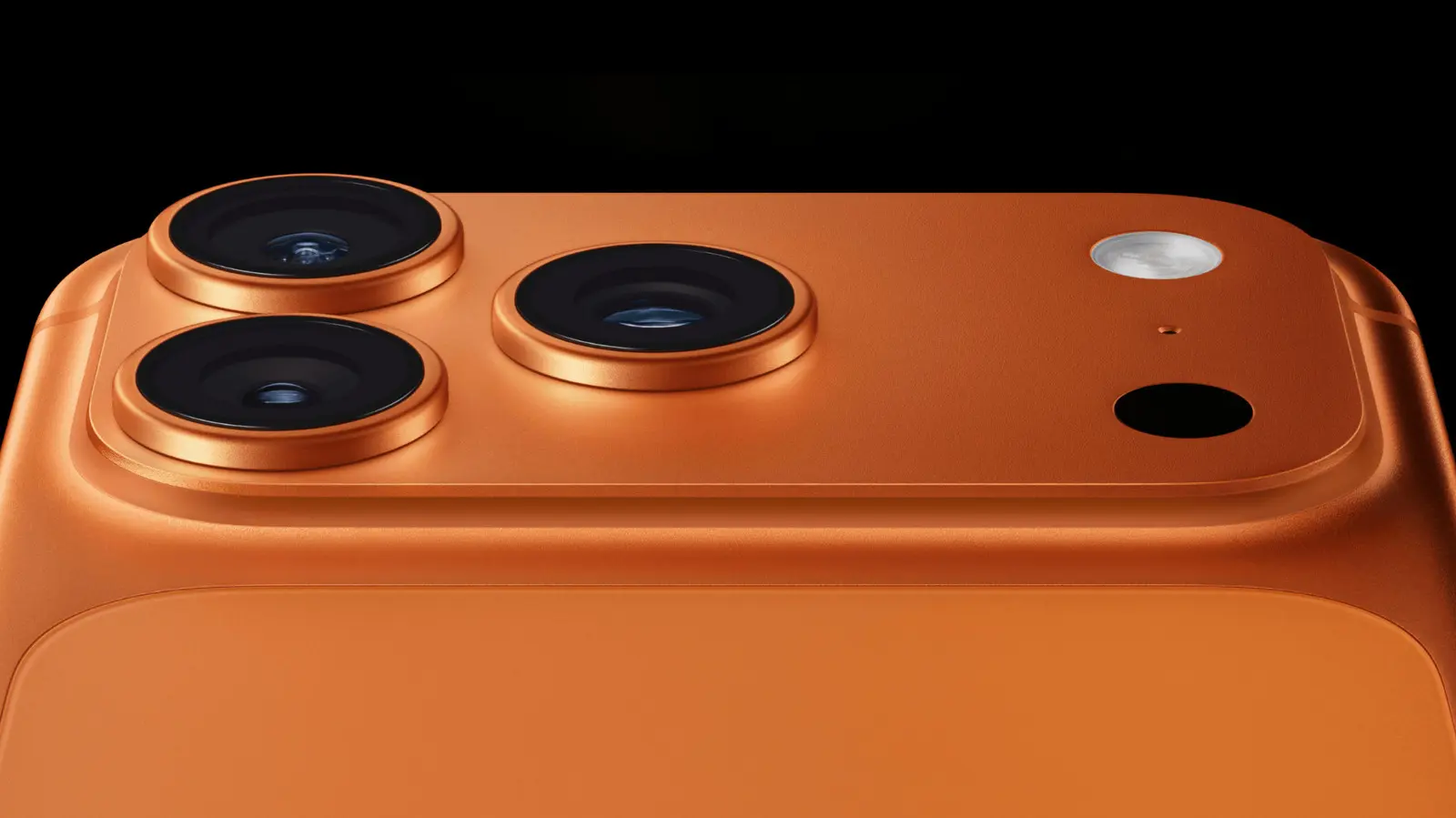
How the Hardware Enhances Camera Performance
Apple has integrated a LiDAR sensor into select i Phone models, creating a subtle but powerful hardware feature. This technology operates behind the scenes to enhance camera capabilities and spatial awareness for users. The sensor is often overlooked due to its discreet placement on the device’s rear panel. It functions as a critical component for modern mobile photography and augmented reality applications.
Latest news
 Anker Unveils Playful 45W Charger With Animated Face Display
 Google Docs Web Version Still Missing Native Dark Mode
 Anthropic-Linked Vulnerability Exploited From China, Targets US and Japan
 Text‑Based AI Agents: Your New Digital Assistants
The primary function of this light detection and ranging system is to measure distance. It emits laser pulses that bounce off objects to calculate depth. This data allows the camera to interpret three-dimensional space with high precision. Unlike standard cameras that rely solely on image processing, LiDAR provides immediate geometric information. This capability significantly improves focus speed and low-light performance. Developers also leverage this data to create immersive virtual environments.
Can You Control the Sensor Manually?
The integration of LiDAR transforms how the i Phone captures images in challenging conditions. In low-light scenarios, the sensor assists the autofocus system by providing accurate distance metrics. This results in sharper photos and smoother video stabilization. Users notice a reduction in hunting for focus during quick movements. The technology also supports portrait mode by generating precise depth maps. These maps allow for realistic background blur effects without complex software calculations. Furthermore, the sensor aids in scanning physical spaces for digital representation.
While the sensor works automatically for most tasks, users can access specific features through third-party apps. Many augmented reality applications utilize the LiDAR data to map rooms instantly. This enables faster setup for virtual furniture placement or gaming overlays. Native iOS features like the Measure app also benefit from this hardware. It allows for quick, accurate measurements of real-world objects using only the phone screen. The system does not require manual calibration for basic usage. However, advanced developers can query the sensor directly through the ARKit framework.
The adoption of LiDAR in consumer smartphones marks a shift toward more capable mobile devices. As augmented reality content grows, this hardware becomes essential for seamless experiences. Future updates may unlock new uses for the existing sensor. Users with compatible models already possess this technology without needing additional accessories. The quiet operation of the sensor ensures it remains unobtrusive during daily use.
Frequently Asked Questions
Which i Phone models include a LiDAR sensor? LiDAR is available on Pro and Pro Max models starting from the i Phone 12 series. Standard and mini versions typically lack this specific hardware component.
Does LiDAR drain battery life significantly? The sensor consumes minimal power when active. It only engages when specific camera or AR features are in use, preserving overall battery health.
Comments
Leave a comment