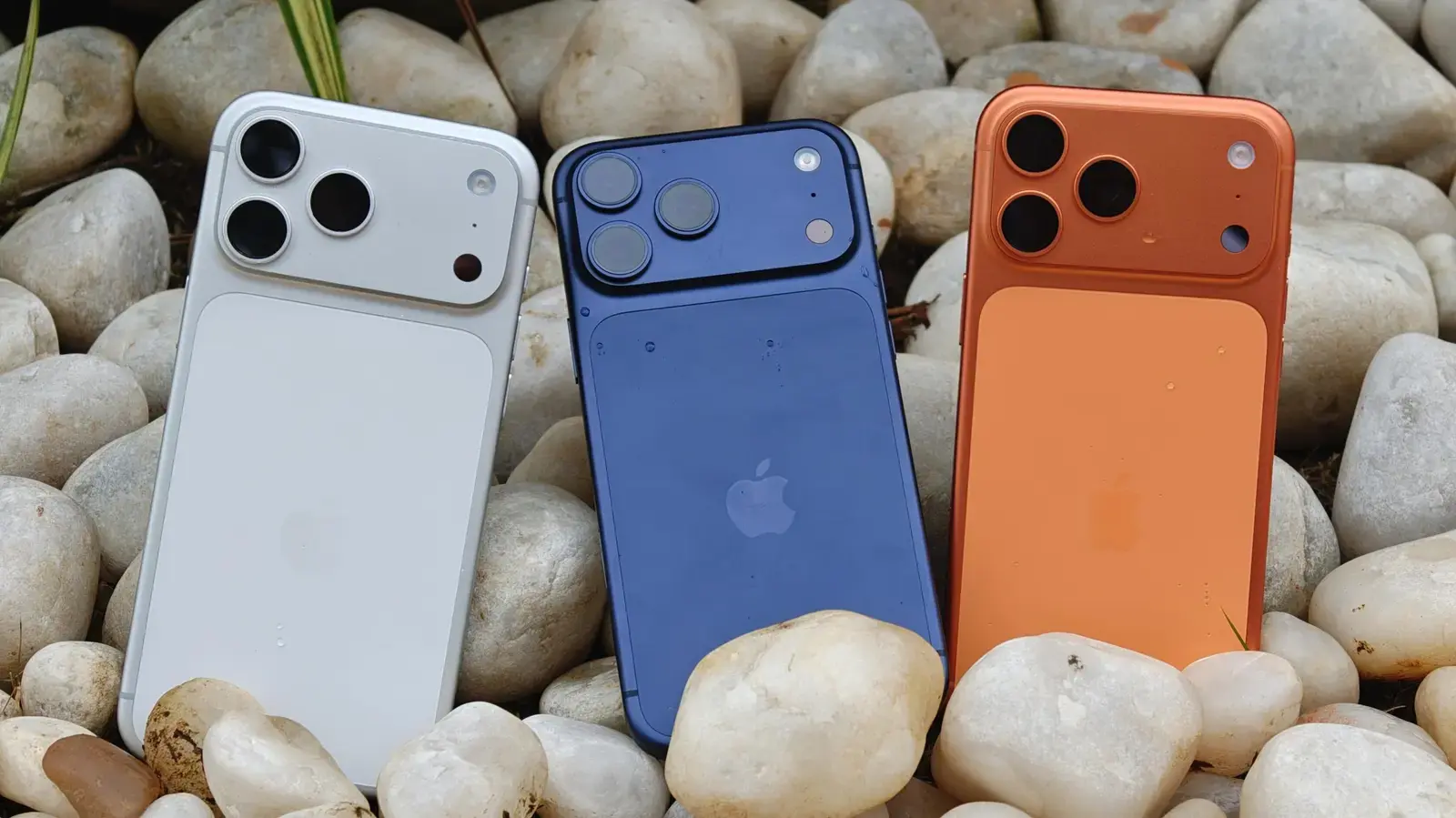
Evaluating the Financial Trade-offs of Different Retailers
Consumers face multiple distinct channels when purchasing a new i Phone. Shoppers can select between buying directly from Apple, through a mobile carrier, or acquiring an unlocked device. This variety creates confusion regarding the best value proposition. The choice significantly impacts pricing, contract obligations, and future flexibility for the user.
Latest news
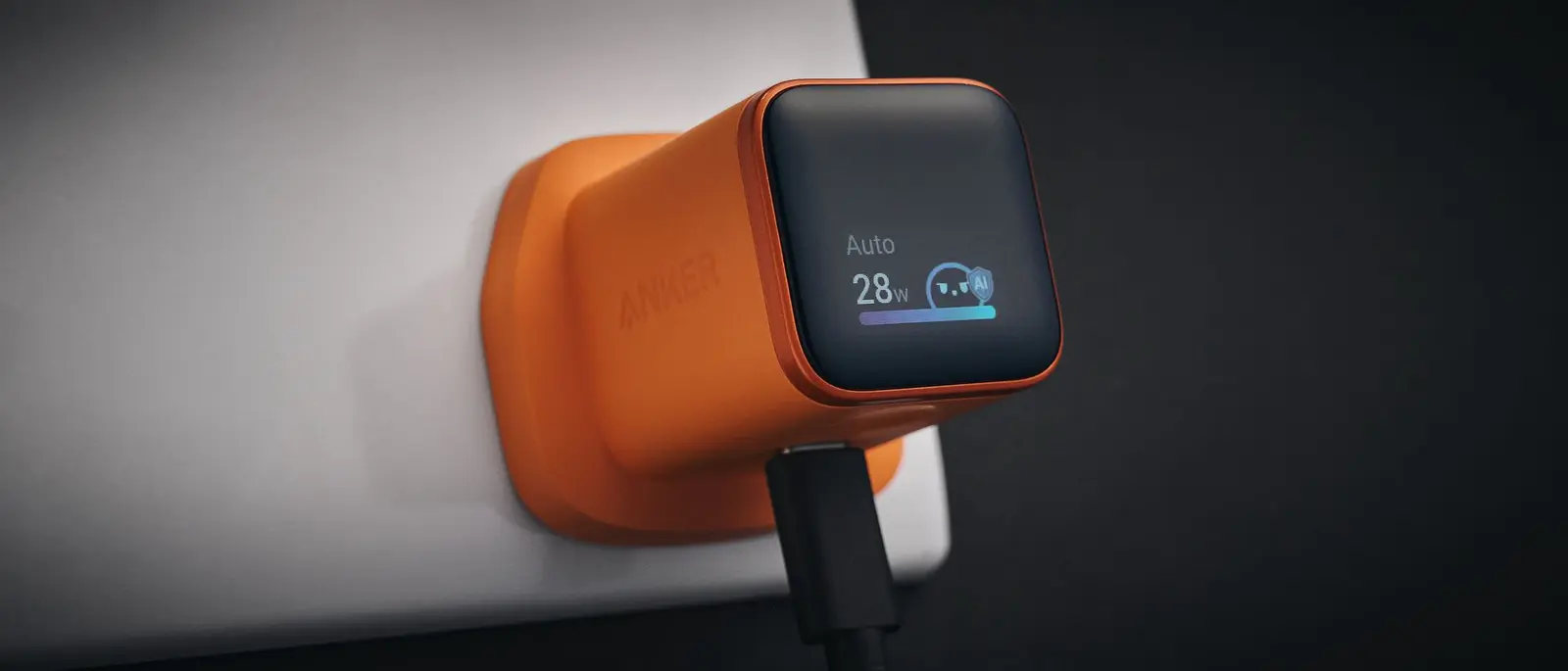 Anker Unveils Playful 45W Charger With Animated Face Display
 Google Docs Web Version Still Missing Native Dark Mode
 Anthropic-Linked Vulnerability Exploited From China, Targets US and Japan
 Text‑Based AI Agents: Your New Digital Assistants
The decision hinges on understanding the specific benefits of each sales channel. Buying from Apple often provides the cleanest experience without carrier bloatware. Carriers may offer trade-in deals that lower the upfront cost. Unlocked phones offer maximum freedom but require separate service plans. Each option carries different financial and technical implications for the buyer.
Direct purchases from Apple typically come with a higher initial price tag. However, customers avoid being locked into a specific network provider. This approach suits users who prefer managing their own service plans. It also ensures the device remains fully functional across various global carriers. The lack of bundled promotions means the sticker price is usually the full retail cost.
Which Channel Offers the Best Long-Term Value?
Carrier stores frequently subsidize the hardware cost through monthly payments. These deals often require a two-year commitment to the same network. While the monthly bill might seem manageable, the total cost over time can be higher. Buyers must calculate the total expenditure including interest and service fees. Early termination penalties can add unexpected costs if the plan changes.
Unlocked devices provide the highest level of consumer control. Users can switch providers instantly without waiting for a contract to end. This flexibility is ideal for frequent travelers or those changing jobs. The phone works immediately with any major carrier in the region. However, shoppers must purchase a compatible SIM card separately before use.
Long-term value depends heavily on how long you keep the device. If you upgrade every year, carrier deals might save money upfront. Frequent upgraders benefit from trade-in credits applied to new models. Those holding phones for three years or more should consider unlocked units. The initial premium pays off through total service freedom and resale potential. Resale values tend to be slightly higher for unlocked devices in secondary markets.
Apple’s direct store offers the simplest path for tech-savvy buyers. They receive the latest software updates directly from the manufacturer. There is no middleman to troubleshoot hardware issues initially. Support is handled entirely by Apple’s certified technicians. This reduces the complexity of diagnosing problems between hardware and software.
Frequently Asked Questions
Is an unlocked i Phone always more expensive? Not necessarily. While the base price is often higher than subsidized carrier models, the total cost of ownership varies. You avoid long-term contract fees, which can offset the initial premium over time.
Can I switch carriers later if I buy from a carrier? Yes, but it may be difficult. Most carrier contracts lock you in for a set period. Switching early often triggers penalty fees or requires paying off the remaining balance.
Do unlocked phones work with all networks? Generally, yes. Modern i Phones support most major frequency bands used by global carriers. You should verify specific band compatibility if traveling internationally to ensure full signal strength.
Comments
Leave a comment