Finding Harmony in Hardware Design
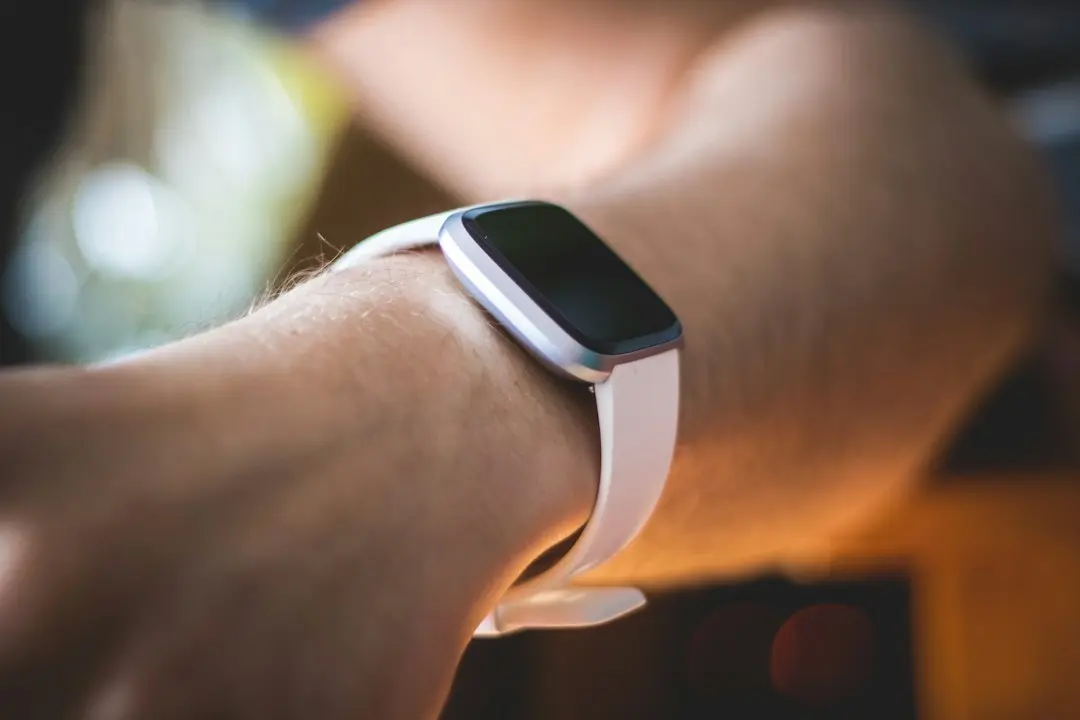
Google has officially entered a new phase of wearable technology with the release of the Fitbit Edge. After spending several days testing the device, it is clear that the tech giant has successfully identified a middle ground. This new model aims to bridge the gap between basic fitness trackers and high-end smartwatches for users worldwide.
Latest news
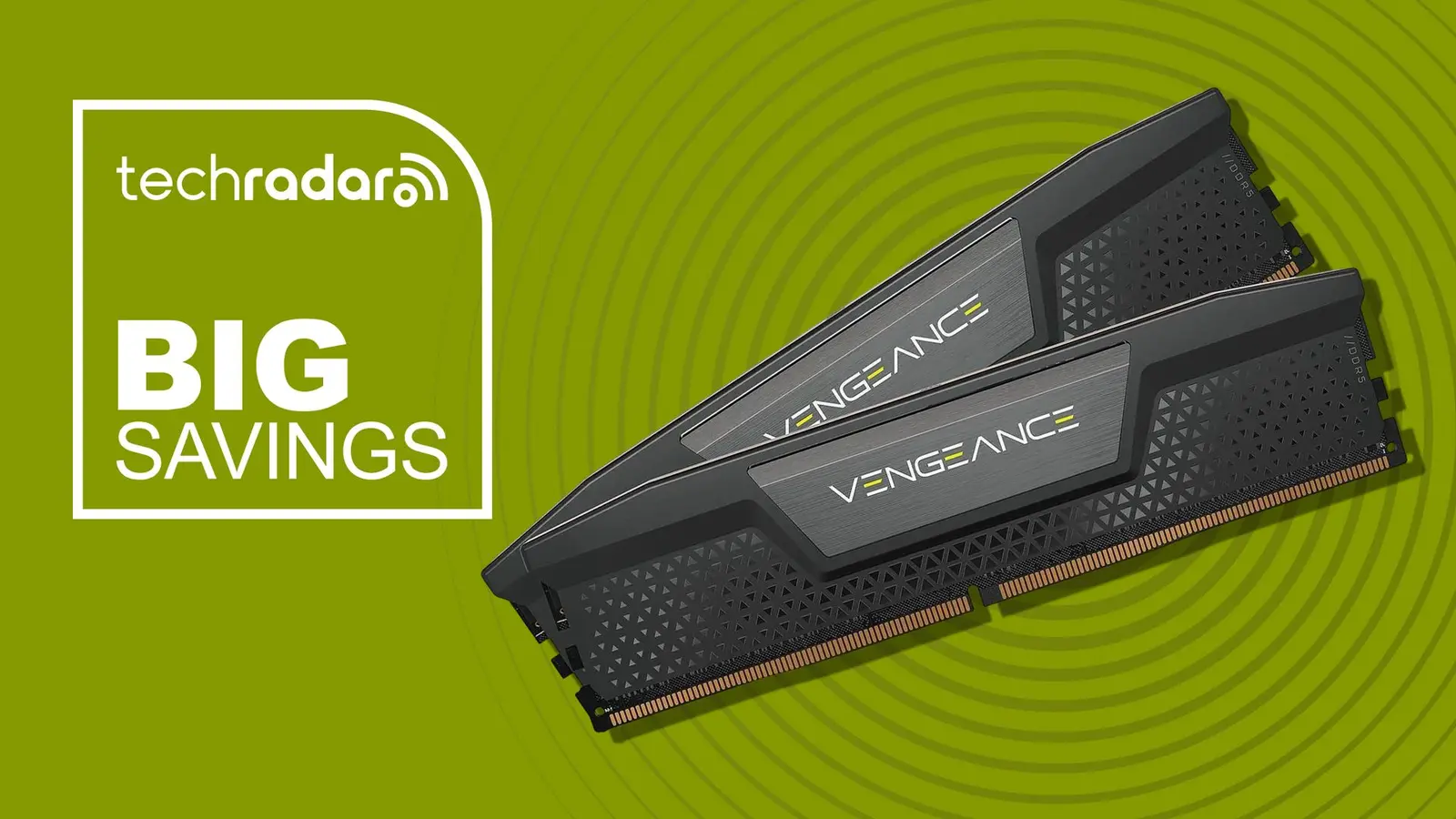 Corsair Vengeance DDR5-6000 Kit Offers Ideal Speed for AMD Builds
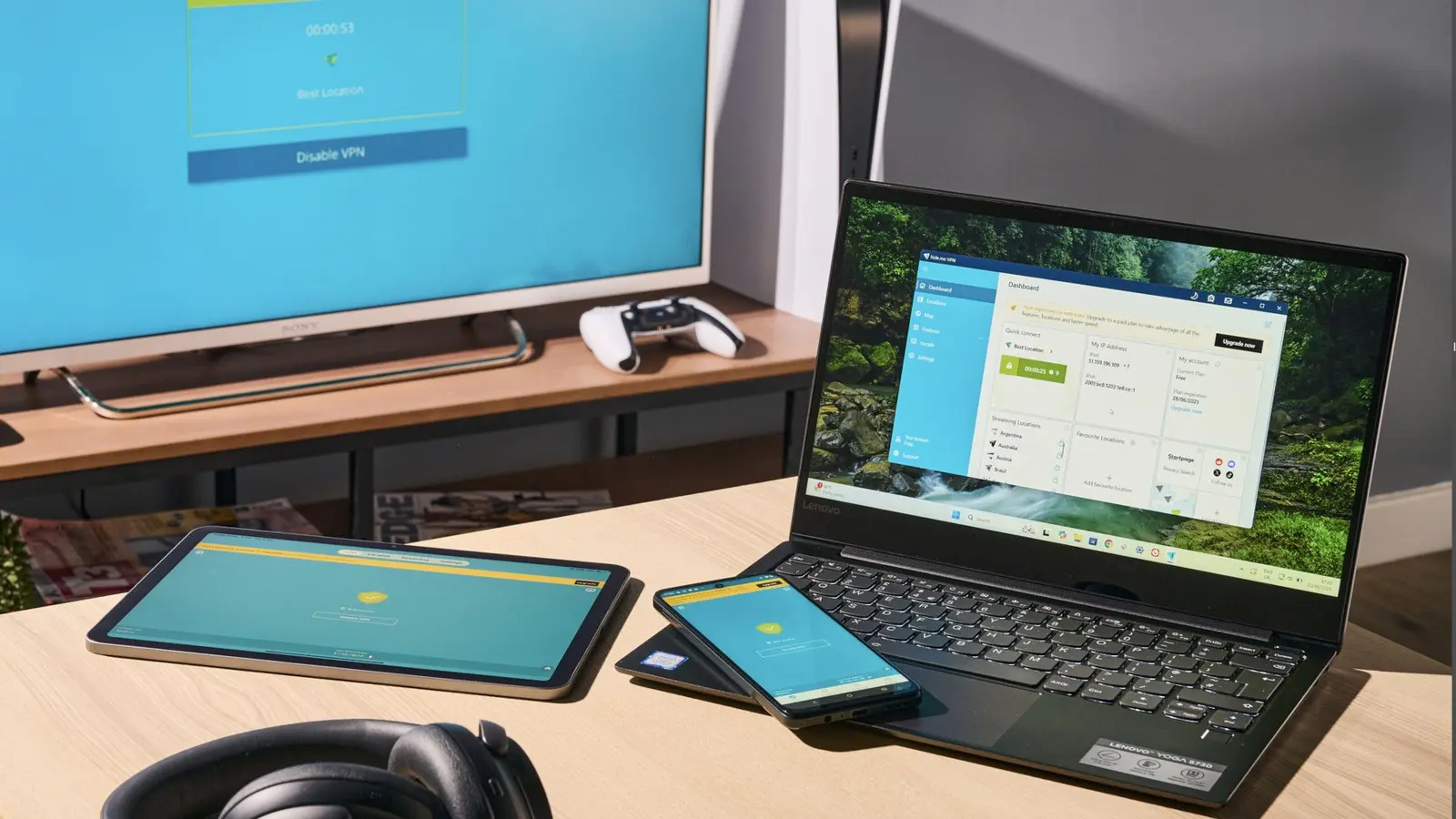 Hide.me VPN releases major Android update
 Hackers launch massive PHP2Shell attack wave
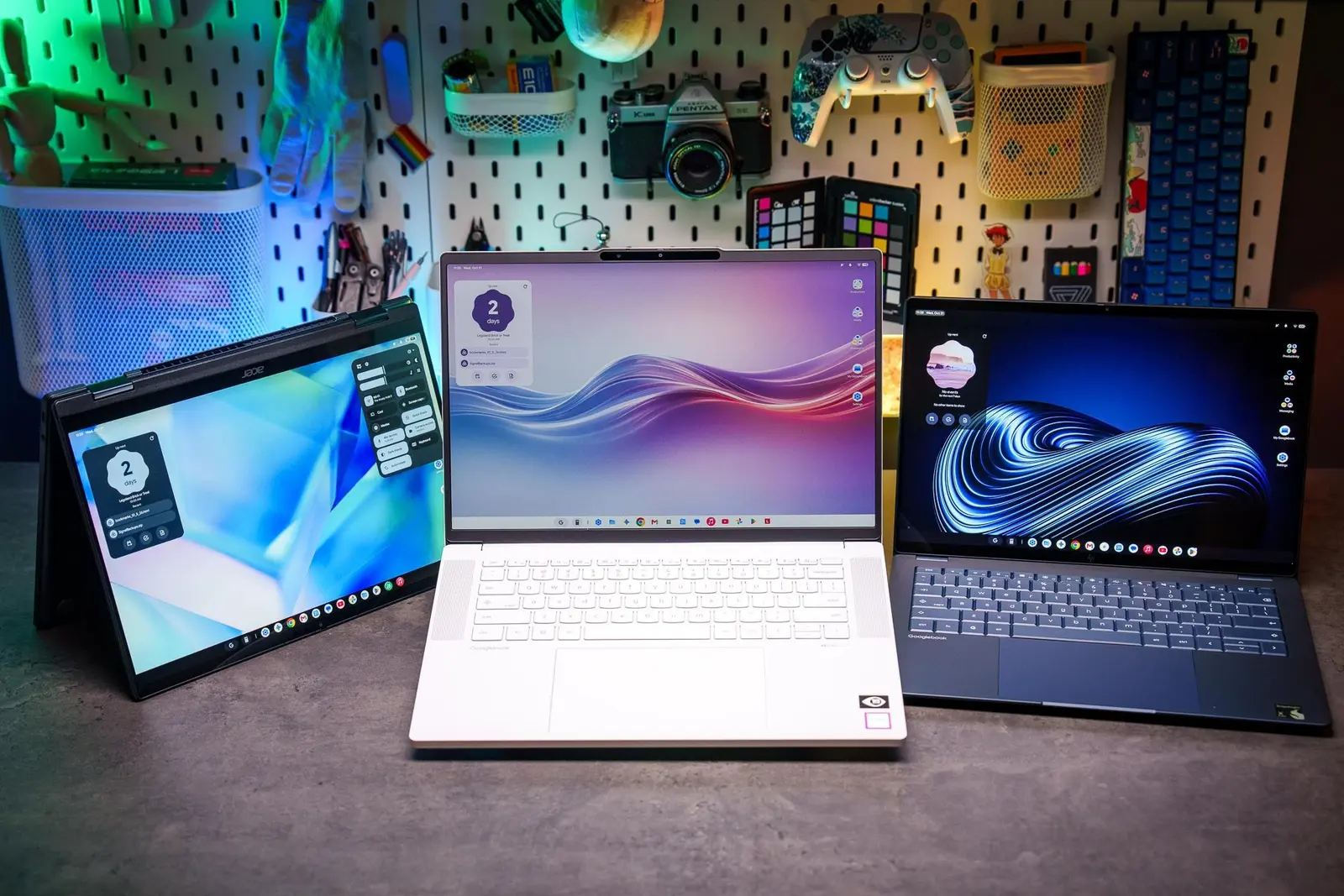 Googlebooks are not yet ready for prime time
The design philosophy behind the Edge focuses on accessibility and utility. By stripping away unnecessary complexity, Google has created a device that feels intuitive from the moment it is strapped on. It avoids the bulk of premium watches while offering more functionality than entry-level bands. This strategic positioning suggests a shift in how Google intends to compete in the crowded health-tracking market.
The physical build of the Fitbit Edge highlights a commitment to comfort and daily wearability. It features a streamlined profile that sits flush against the wrist, making it ideal for both sleep tracking and intense workouts. The display is bright enough for outdoor visibility without draining the battery life excessively.
Is This the New Standard for Fitness Trackers?
Performance remains consistent throughout the day, providing accurate health metrics without requiring constant user intervention. By prioritizing essential features like heart rate monitoring and activity tracking, the device avoids the feature bloat that often plagues modern wearables. This refined approach ensures that the user experience remains focused on health goals rather than navigating complex menus.
The success of the Fitbit Edge raises questions about the future of the entire product line. If users respond well to this middle-of-the-road approach, we may see future iterations lean further into this balance. It proves that consumers do not always need the most expensive hardware to receive high-quality health data.
Frequently Asked Questions
Ultimately, the Edge serves as a benchmark for what a balanced wearable should look like. It provides enough power for the average athlete while remaining approachable for casual users. As Google continues to refine its ecosystem, this device establishes a solid foundation for the next generation of health-conscious technology.
What makes the Fitbit Edge different from previous models? The Edge focuses on a simplified user experience that sits between basic trackers and full smartwatches. It prioritizes essential health tracking features while maintaining a slim, comfortable design.
Who is the primary audience for this device? It is designed for users who want reliable health insights without the complexity of a high-end smartwatch. It works well for both casual fitness enthusiasts and those who prioritize long battery life.
Comments
Leave a comment