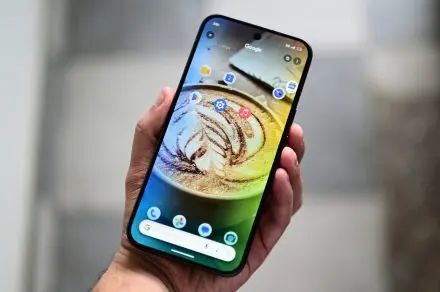
Turning the Display Into a Flashlight
Google is preparing a significant update for Pixel users who struggle with facial recognition in low-light conditions. New code found in the Android 17 QPR3 Beta 2 reveals a feature named „Face Active Illumination.”This update aims to solve a long-standing issue where camera-based face unlock fails when the environment is too dark for the sensor to detect features. The change appears designed to make biometric security more reliable for nighttime use.
Latest news
 Anthropic Unveils Claude Duet For Background AI Tasks
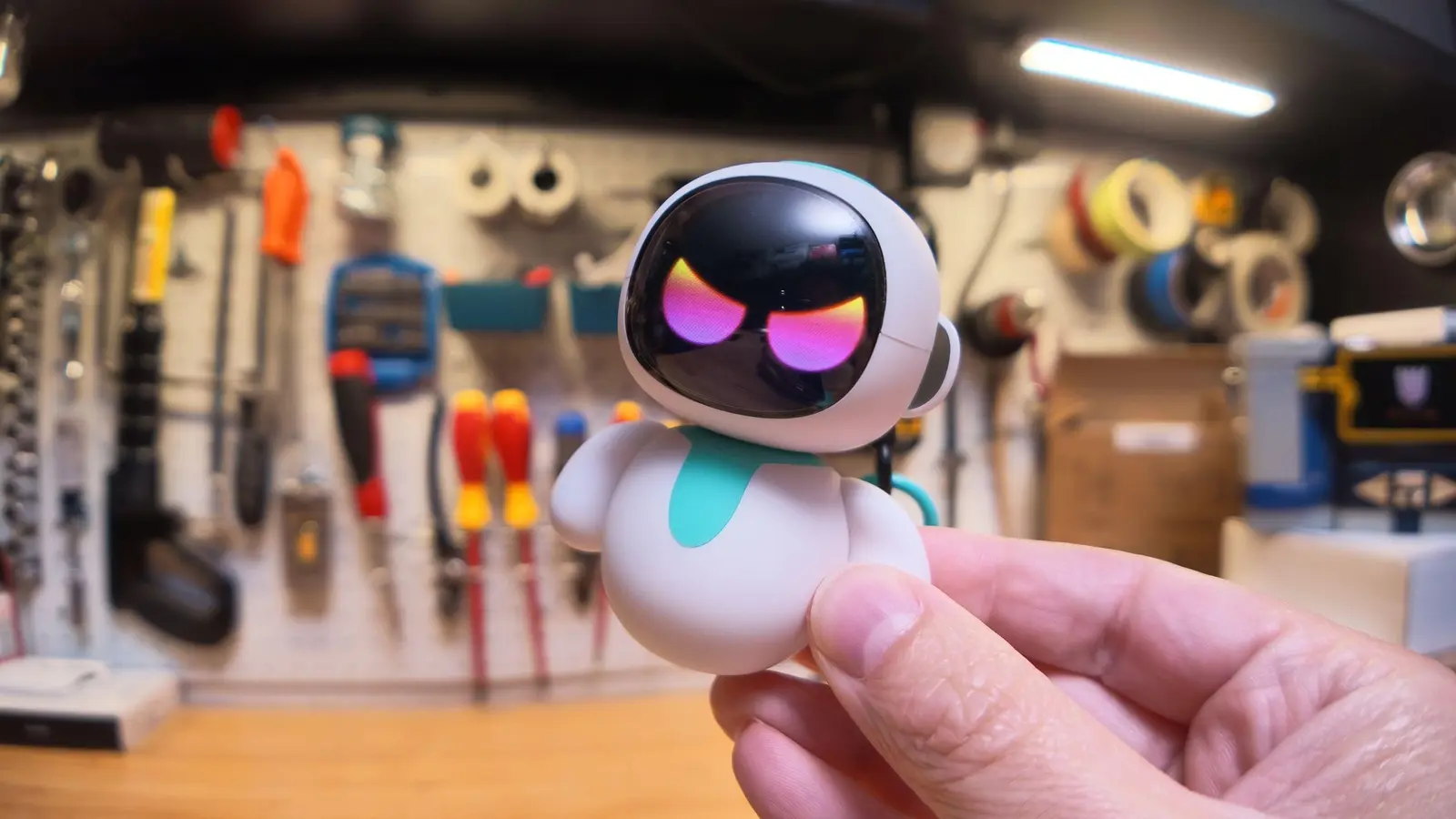 Eiliko Creator Hires Independent Security Firm After Flawy Robot Charm Exposed
 Musk Compares Optimus Robot Training to Raising a Toddler
 Atari VCS Software Store Closes in February 2027
The core problem with current face unlock systems is their reliance on visible light. When a user stands in a dim room or at night, the front-facing camera often cannot capture enough detail to verify identity. Google’s proposed solution involves using the smartphone’s display as a light source. By increasing the brightness of the screen during the authentication process, the device can illuminate the user's face. This ensures the camera receives a clear image, allowing the system to map facial geometry accurately.
The mechanism behind this feature is straightforward yet effective. Instead of relying on external infrared lights or dedicated hardware sensors, the software leverages existing components. The display panel emits light that reflects off the user's skin and features. This ambient boost helps the camera distinguish between a real person and a static photo or shadow. The approach minimizes the need for additional physical parts, keeping the phone thin and cost-effective. Users will likely notice a brief flash of white light when attempting to unlock their devices in the dark.
Does This Replace Fingerprint Scanners?
This method addresses a specific pain point for early adopters of face unlock technology. Many users have reported frustration when their phones fail to recognize them after moving from a bright office to a darker home. The new illumination feature targets these moments directly. It transforms the screen from a passive component into an active tool for biometric verification. By integrating this logic into the Android operating system, Google ensures compatibility across future Pixel models without requiring separate hardware changes.
While this update enhances face unlock capabilities, it does not necessarily replace other biometric methods. Fingerprint sensors remain a primary option for many users due to their speed and reliability in all lighting conditions. However, face unlock offers the advantage of hands-free access. With the addition of active illumination, this convenience becomes more consistent. The feature may also improve the accuracy of portrait mode photography in low light, though the primary focus remains on security and unlocking.
The discovery of this code in the beta version suggests that the feature is nearing completion. Google typically tests such functionalities extensively before rolling them out to stable releases. Users on the developer track can expect to see this behavior soon. As the update propagates to public channels, more Pixel owners will benefit from smoother nighttime interactions. The move signals a broader trend toward smarter, adaptive biometrics that respond to environmental changes automatically.
Frequently Asked Questions
Will this feature work on all Pixel phones? The feature is currently identified in Android 17 code for Pixel devices. While it relies on standard display hardware, specific model support may vary. Most recent Pixel models are expected to receive this update first.
Does the screen stay on the whole time? No, the display likely brightens only briefly during the face scan process. Once the system verifies the user's identity, the screen returns to its normal brightness level. This prevents unnecessary battery drain.
Is this available in the stable release yet? The feature was spotted in the Android 17 QPR3 Beta 2. It is not yet part of the final stable build. Users must join the beta program to test it immediately.
Comments
Leave a comment