How Gemini’s Contextual Access Works
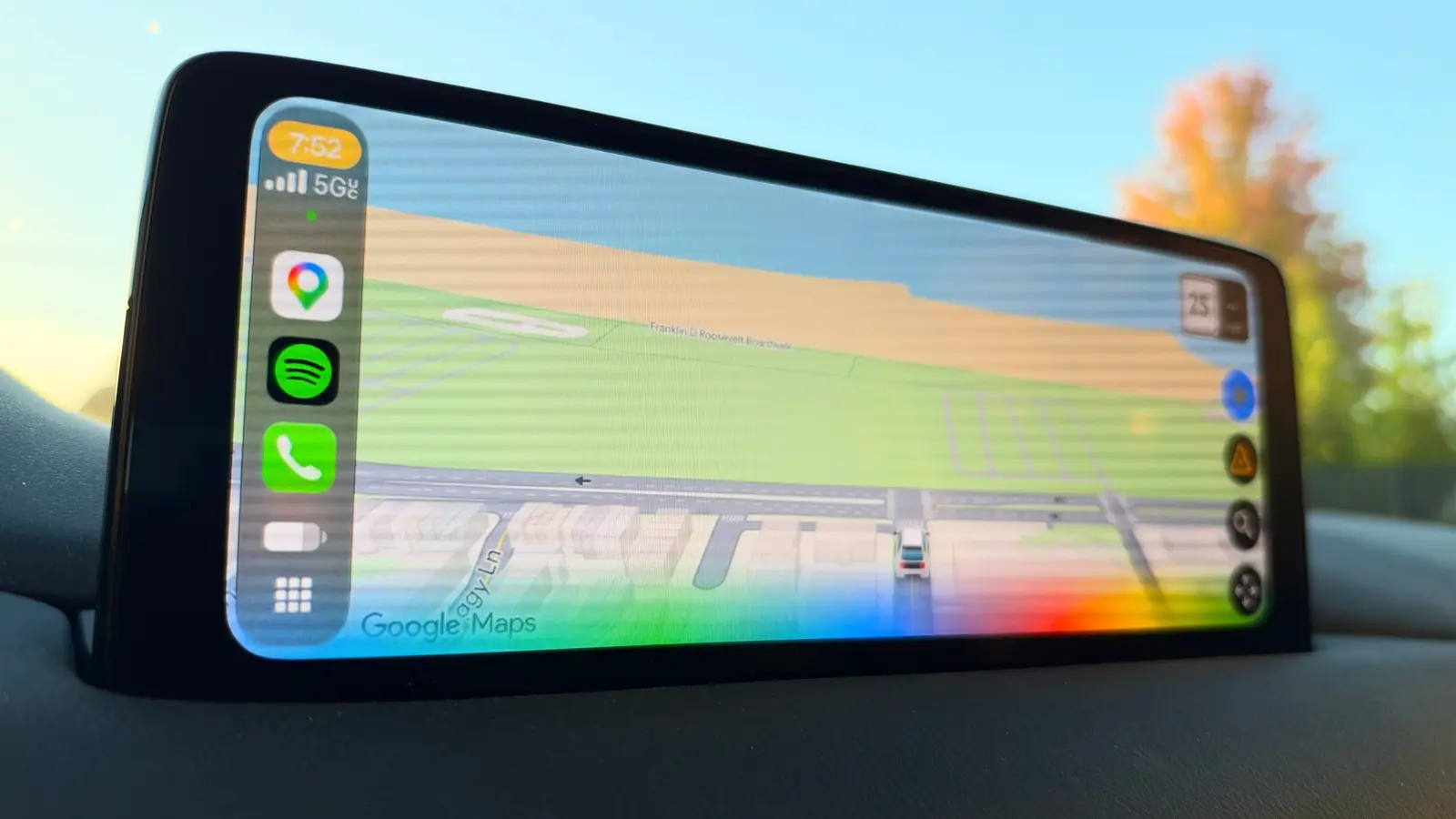
Google has introduced Gemini Personal Intelligence to Android Auto, enabling the AI assistant to access a driver’s Google Photos, Gmail, Calendar, and other services. The feature launches today and is optional; users can choose which apps to share with the assistant. The update follows Google’s broader rollout of Gemini across its ecosystem, aiming to deliver context‑aware responses while driving.
Latest news
 Corsair Vengeance DDR5-6000 Kit Offers Ideal Speed for AMD Builds
 Hide.me VPN releases major Android update
 Hackers launch massive PHP2Shell attack wave
 Googlebooks are not yet ready for prime time
The new capability means that while a driver is on the road, Gemini can pull up recent photos, read emails aloud, or remind them of upcoming appointments. The assistant uses the data to provide more relevant answers, such as suggesting a nearby photo‑friendly location or summarising a meeting agenda. Users can manage permissions through the Android Auto settings, toggling access for each service individually. The move is part of Google’s strategy to embed Gemini’s conversational AI into everyday devices, expanding beyond the phone to in‑car experiences.
Is This a Privacy Trade‑Off?
Gemini’s integration relies on the same API framework that powers Google Assistant on smartphones. When a driver asks a question, the assistant queries the selected services in real time. For example, a request for „Show me my photos from last weekend” triggers a search in Google Photos, while „What’s on my calendar for tomorrow?” pulls events from Google Calendar. The AI then synthesises the information and delivers a concise, spoken reply. Because the feature is opt‑in, privacy concerns are mitigated by giving users granular control over what data the assistant can read.
What does the data‑sharing mean for drivers’ privacy?
Frequently Asked Questions
Google assures that all data remains encrypted and that the assistant only accesses information during active sessions. Users can review and revoke permissions at any time. The company also states that no personal data is stored beyond the immediate interaction, and that the AI does not retain conversations. Critics, however, warn that even temporary access could be exploited if the system is compromised. Drivers who value privacy may prefer to keep the feature disabled until more transparency is offered.
The rollout coincides with increased scrutiny over in‑car AI systems. As automakers integrate more digital assistants, the balance between convenience and data security will become a key debate. For now, Gemini on Android Auto offers a glimpse of what future vehicles might deliver: seamless, context‑rich assistance that pulls from a driver’s own digital life.
Comments
Leave a comment