
Adhesive Hacks Reveal Hidden Potential In Wearable Design
Google’s latest wearable, the Fitbit Air, has sparked an unexpected trend among early adopters. Instead of wearing the device on the wrist as intended, many users are now attaching it directly to their skin using adhesive tape. This unconventional method is gaining traction online, with enthusiasts reporting that the taped placement offers superior data accuracy compared to the standard wristband design. The shift highlights the device’s flexibility and the community’s drive to optimize performance through creative modifications.
Latest news
 Anthropic Unveils Claude Duet For Background AI Tasks
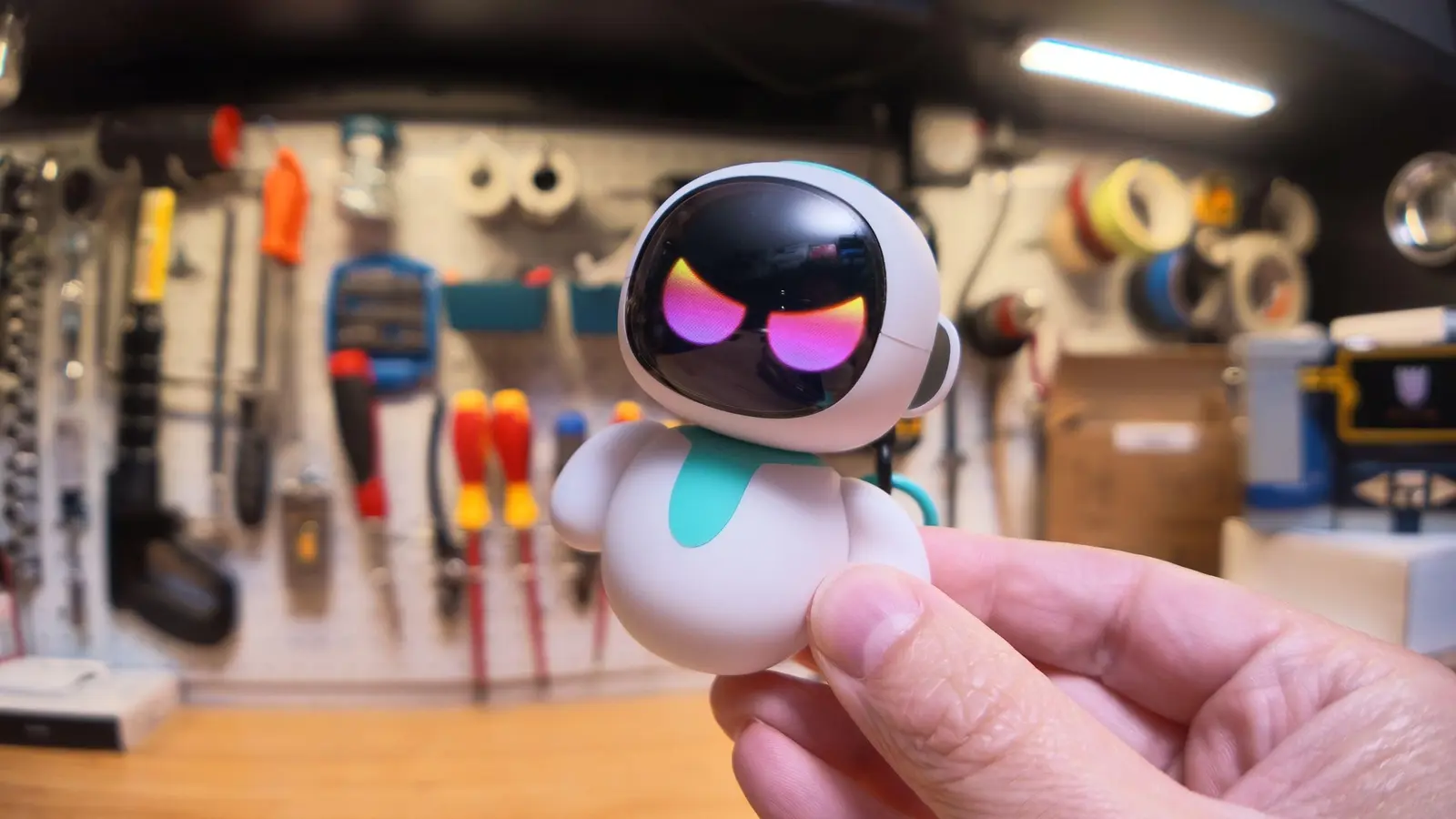 Eiliko Creator Hires Independent Security Firm After Flawy Robot Charm Exposed
 Musk Compares Optimus Robot Training to Raising a Toddler
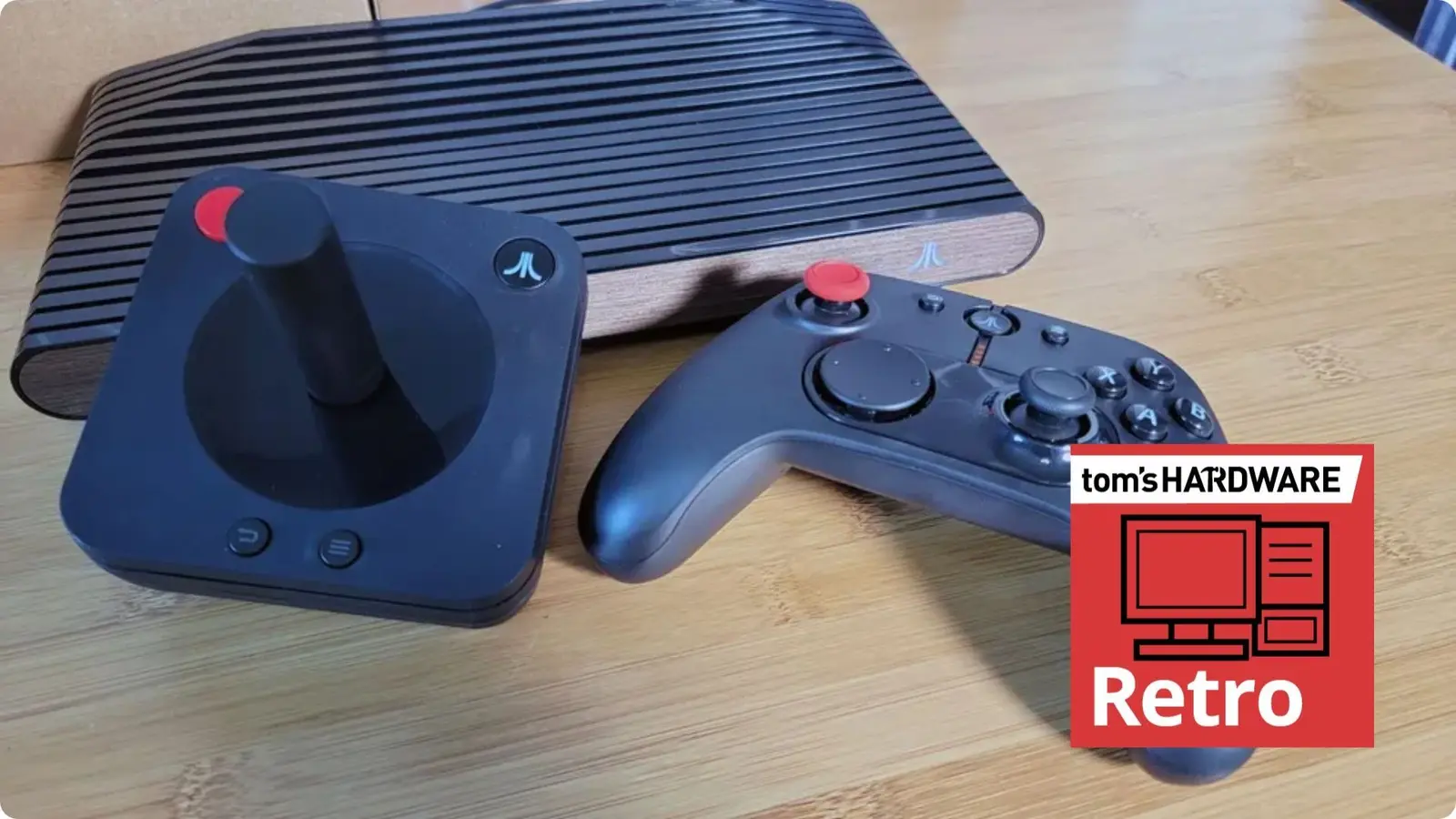 Atari VCS Software Store Closes in February 2027
The Fitbit Air was originally engineered for comfort and simplicity. It features a sleek, lightweight form factor designed to sit securely on the wrist without causing irritation. However, some users found that movement during intense workouts caused the device to shift slightly. This minor displacement could introduce noise into heart rate and activity metrics. By taping the sensor directly to the chest or upper arm, users eliminate this variable. The direct skin contact ensures a consistent signal, leading to more reliable readings during high-intensity interval training or heavy lifting sessions.
This DIY approach underscores a broader trend in consumer electronics where users customize hardware to suit specific needs. While manufacturers often provide a single recommended usage pattern, real-world application frequently demands adaptation. The Fitbit Air’s small size makes it particularly suitable for taping. Unlike bulkier smartwatches, the Air does not have a complex interface that requires frequent interaction. This allows it to remain hidden under clothing or secured firmly to the body without hindering the user’s range of motion. Early adopters share photos and videos of their setups, demonstrating how a simple roll of medical tape can transform the device’s utility.
Does Taping The Sensor Actually Improve Accuracy?
The company has not officially endorsed this method, but the positive feedback suggests a potential design evolution. If direct skin attachment yields better results, future iterations might include built-in adhesive strips or magnetic mounts. This would allow users to switch between wrist and body-worn modes seamlessly. Such a feature could appeal to athletes who prioritize precision over aesthetics. It also opens up possibilities for other wearables, encouraging designers to think beyond the traditional wristband paradigm.
Yes, multiple users report that taping the Fitbit Air to the sternum or bicep reduces signal dropouts. The stability provided by the tape prevents the optical sensors from moving away from the blood vessels they need to monitor. This is particularly useful during exercises involving repetitive arm movements, such as rowing or swimming. While the official guidelines recommend wrist wear for daily use, the taped method serves as a robust alternative for specialized tracking scenarios. Users should ensure the skin is clean and dry before applying the tape to avoid irritation or poor adhesion.
Looking ahead, the Fitbit Air’s versatility positions it as a key player in the competitive wearable market. Its ability to adapt to user preferences sets it apart from rigid competitors. As more people experiment with placement options, we may see a rise in third-party accessories designed specifically for secure attachment. Google could leverage this grassroots innovation to refine its product roadmap. Ultimately, the success of the Fitbit Air depends on its capacity to remain simple yet adaptable. The community’s ingenuity proves that even minor design tweaks can significantly enhance user experience and data integrity.
Frequently Asked Questions
Can you wash the Fitbit Air after taping it? Yes, you can wash the device if it is rated for water resistance. Ensure the tape is removed and the sensor lens is cleaned gently. Avoid soaking the device for extended periods if using non-waterproof tape.
Is taping the Fitbit Air safe for sensitive skin? Most users find it safe, but those with sensitive skin should use hypoallergenic medical tape. Test a small area first to check for any allergic reactions or irritation before committing to a full session.
Does the taped method drain the battery faster? No, the power consumption remains the same regardless of placement. The device uses the same sensors and processing units whether worn on the wrist or taped to the skin. Battery life depends primarily on screen usage and sync frequency.
Comments
Leave a comment