How Does the New Design Improve Accessibility?
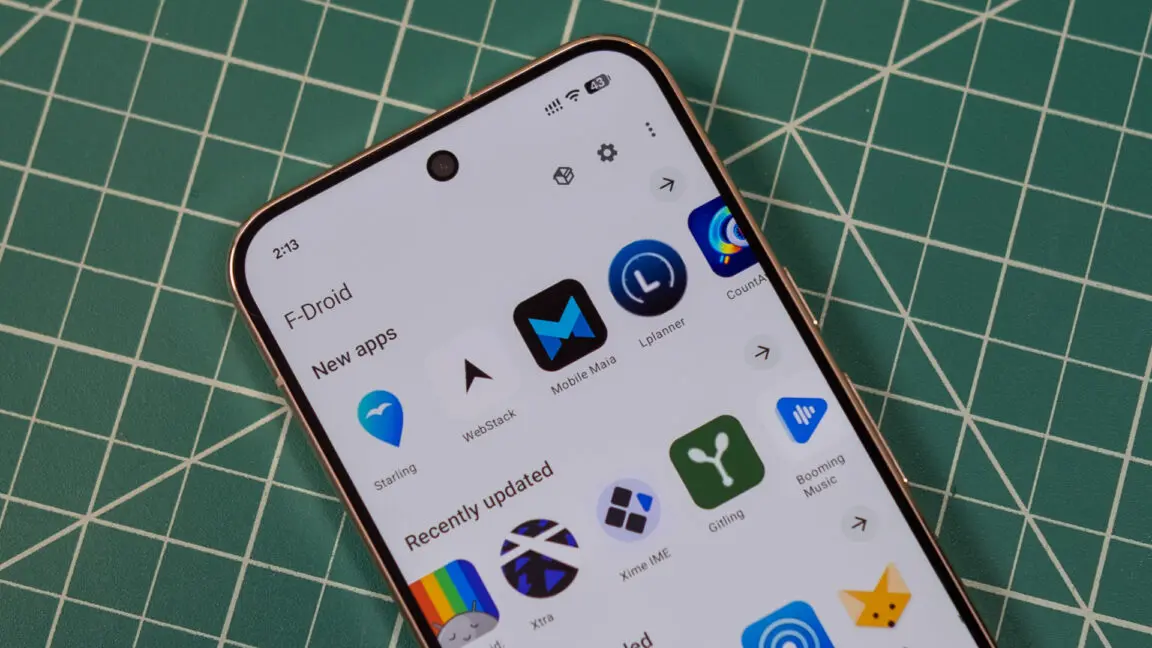
F-Droid, the open-source Android app repository, has launched its most significant update in a decade, featuring a completely redesigned interface and improved installation processes. The rebuild, completed in September 2026, aims to modernize the user experience while maintaining the platform’s commitment to free and privacy-respecting software. Longtime users and developers alike have awaited this refresh, which addresses years of feedback about usability and performance.
Latest news
 Minisforum Unveils High‑End Ryzen AI Max+ PRO 495 Workstation
 NASA Eyes Revival of SR‑71 Blackbird
 My Home Wi‑Fi Was Crowded by 14 Neighbors—A Free App Helped Me Find a Clear Channel
 YouTube is tightening rules for low-effort Shorts
The new version replaces the outdated navigation with a clean, intuitive layout that prioritizes app discovery and clear categorization. Installation flows have been streamlined to reduce steps and minimize confusion, particularly for newcomers unfamiliar with alternative app stores. Behind the scenes, the update includes upgraded backend infrastructure to support faster metadata updates and more reliable app delivery. Developers can now submit updates more efficiently, thanks to revised publishing tools integrated into the platform.
What Challenges Did the Development Team Face?
The redesign focuses on reducing cognitive load by simplifying menus and using consistent iconography across sections. Text labels are now more descriptive, helping users understand app permissions and update notes at a glance. A dark mode toggle, long requested by the community, has been fully integrated and respects system-wide preferences. Early adopters report that browsing feels faster and less cluttered, especially on older devices where the previous interface struggled with responsiveness.
Rebuilding a decentralized, community-driven platform like F-Droid presented unique technical and coordination hurdles. Maintaining compatibility with hundreds of existing client apps while introducing new API standards required careful versioning and fallback mechanisms. The team also had to ensure that all updates adhered to the project’s strict inclusion criteria, which prohibit tracking, advertising, and non-free dependencies. Despite these constraints, the update preserves full compatibility with third-party frontends such as Neo Store and Droid-ify.
Will my existing F-Droid client still work after this update? Yes, older clients remain functional, though updating to the latest version is recommended to access all new features and security improvements.
Frequently Asked Questions
Are all previously available apps still accessible in the new version? All apps that met F-Droid’s inclusion criteria prior to the update continue to be available; none were removed during the rebuild process.
Is the new update available for all Android versions? The updated F-Droid client requires Android 5.0 or later, aligning with the project’s current minimum support threshold.
Comments
Leave a comment