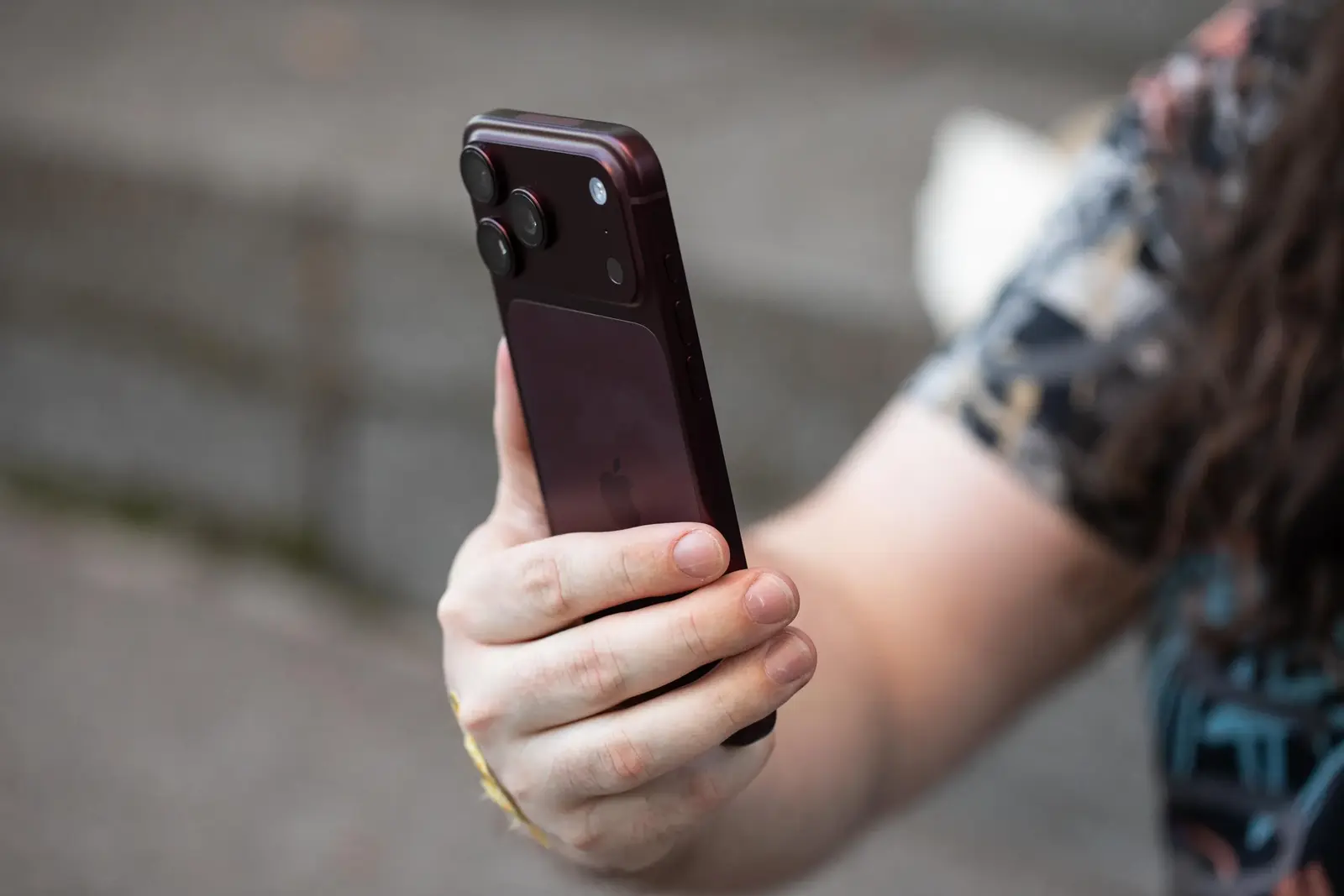
How „Shipping Mode” Works Inside the i Phone
Apple announced on Tuesday that a new software feature will allow the i Phone 18 Pro Max to comply with international air‑freight battery regulations without redesigning its power cells. The change, rolled out globally via iOS 18, temporarily reduces the device’s maximum charge capacity during transit, keeping the battery’s energy density below the 100 Wh limit imposed by most airlines. The update will be active only while the phone is detected in a shipping container or airplane cargo hold, then restores full capacity once the device is unpacked.
Latest news
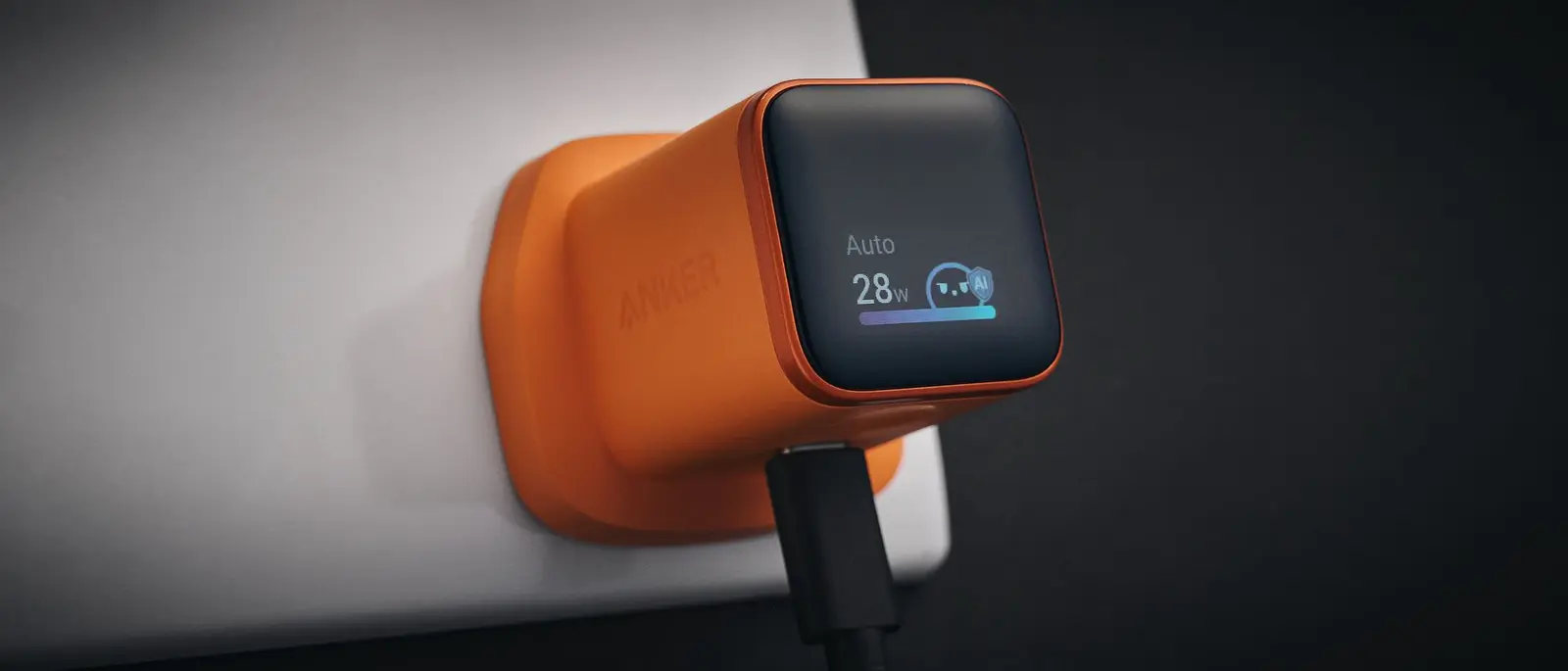 Anker Unveils Playful 45W Charger With Animated Face Display
 Google Docs Web Version Still Missing Native Dark Mode
 Anthropic-Linked Vulnerability Exploited From China, Targets US and Japan
 Text‑Based AI Agents: Your New Digital Assistants
The workaround stems from a growing tension between Apple’s push for larger batteries and the strict limits set by the International Air Transport Association (IATA). As i Phone models have grown in size and power demand, their batteries have approached the 100 Wh ceiling, triggering costly re‑packaging or ground‑only shipping. Apple’s engineers devised a software‑controlled „shipping mode” that throttles the charge to 80 percent and disables fast‑charging while the device’s GPS and motion sensors indicate it is stationary in a freight environment. This approach avoids the need for a physical redesign, saving the company an estimated $200 million in re‑tooling costs for the 2025 production run.
When a device is placed in a shipping crate, embedded sensors detect the lack of movement and the presence of a low‑frequency magnetic field typical of cargo scanners. The i Phone then automatically switches to a low‑power state, limiting the battery’s charge to 80 percent of its full capacity. In this state, the battery’s energy content stays under the 100 Wh threshold, allowing airlines to transport the phones as regular cargo. Once the phone is removed from the crate and motion resumes, the software reverts to normal operation, re‑enabling full charge and rapid charging capabilities within minutes. Apple’s senior hardware engineer, Maya Patel, said, „We wanted a solution that respects safety standards without compromising the user experience once the device reaches the consumer.”
Will This Software Fix Affect Battery Life for Everyday Users?
Apple assures customers that the „shipping mode” is invisible during regular use. The temporary reduction in charge only applies while the phone is stationary in a freight environment, a scenario that lasts typically less than 48 hours. After the device is unpacked, the battery instantly resumes its standard charging curve, and the overall lifespan remains unchanged. Independent testing by consumer‑tech lab TechInsights confirmed that the feature does not degrade long‑term battery health, noting a negligible 0.2 percent variance in capacity after 500 charge cycles.
The introduction of this software solution could set a precedent for other manufacturers facing similar logistical hurdles. By leveraging existing hardware and adding a smart firmware layer, Apple sidesteps the costly redesign of battery packs, potentially influencing industry standards for future high‑capacity smartphones. Analysts predict that other OEMs will adopt comparable measures as battery sizes continue to climb.
Frequently Asked Questions
What triggers the i Phone’s shipping mode? The phone’s internal sensors detect a lack of movement and the presence of cargo‑scanner magnetic fields, indicating it is likely in a shipping container.
Does shipping mode reduce the phone’s performance? Only the charging capacity is limited during transit; all other performance aspects remain unchanged.
Will this affect the phone’s warranty? No. The feature is built into iOS and does not impact warranty coverage or service eligibility.
Comments
Leave a comment