
The Strategy Behind the Price Squeeze
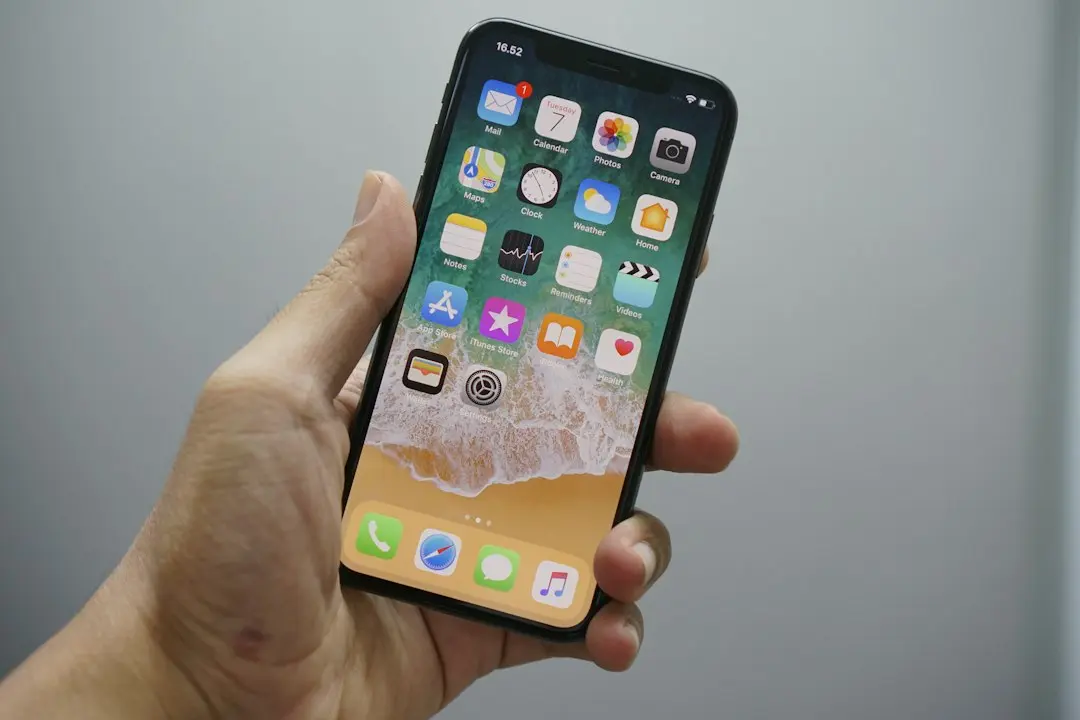
Apple is reportedly pressuring its OLED screen manufacturers to cut prices for the upcoming i Phone 18 Pro Max. This demand comes as the tech giant faces increasing costs for other essential components, particularly memory chips. The company aims to secure a 20% discount on these crucial display panels.
Latest news
 California Imposes Penalties for Robotaxis Obstructing Emergency Services
 Meta’s AI Agent Muse Builds Comprehensive Dossiers on Close Contacts
 The State of Cybersecurity in 2026: Key Segments, Insights, and Innovations
 Why the Rumored iPhone Duo Excites Android Foldable Fans
The Cupertino-based company has suggested a price point of roughly $70 per OLED panel. This aggressive negotiation strategy highlights Apple's efforts to manage production expenses amidst a challenging supply chain environment.
Will Suppliers Agree to Apple's Terms?
This move by Apple reflects a broader industry trend where major tech companies leverage their purchasing power. By demanding lower prices, Apple can either maintain its profit margins or potentially offer more competitive pricing for its flagship device. The rising cost of memory chips, a significant component in modern smartphones, is a key driver for this negotiation.
Suppliers, often heavily reliant on Apple's large orders, face a difficult decision. Accepting a lower price could impact their own profitability, but refusing might jeopardize future contracts with one of the world's largest electronics manufacturers.
# Why is Apple seeking a price cut now?
The outcome of these negotiations remains uncertain. Suppliers must weigh the implications of a 20% price cut against the volume of business Apple provides. Historically, Apple has shown a strong ability to influence its supply chain partners.
# How might this affect OLED panel suppliers?
If suppliers concede, it could set a precedent for future component pricing across the industry. Conversely, a strong resistance from manufacturers might force Apple to adjust its strategy or absorb some of the increased costs itself. The final agreement will significantly impact the production economics of the i Phone 18 Pro Max.
Apple is seeking a price cut primarily because the cost of other vital components, such as memory chips, is increasing. This move helps the company manage its overall production expenses for the i Phone 18 Pro Max.
# What is the proposed new price for the OLED panels?
A 20% price cut could significantly impact the profit margins of OLED panel suppliers. They must decide whether to accept the lower price to secure Apple's large orders or risk losing business.
Apple has reportedly proposed paying around $70 per OLED panel for the i Phone 18 Pro Max. This represents a substantial reduction from previous pricing agreements.
Comments
Leave a comment