
How OLED Could Change Daily Use
Apple is reportedly preparing to launch a new MacBook Pro model featuring an OLED display this month, with sources indicating the device will be significantly lighter than current versions. The rumored update focuses on reducing physical weight through advancements in screen technology and internal component layout, potentially making it more portable for professionals on the move. While exact specifications remain unconfirmed, the shift to OLED is expected to contribute to a thinner and lighter chassis without compromising screen quality.
Latest news
 Corsair Vengeance DDR5-6000 Kit Offers Ideal Speed for AMD Builds
 Hide.me VPN releases major Android update
 Hackers launch massive PHP2Shell attack wave
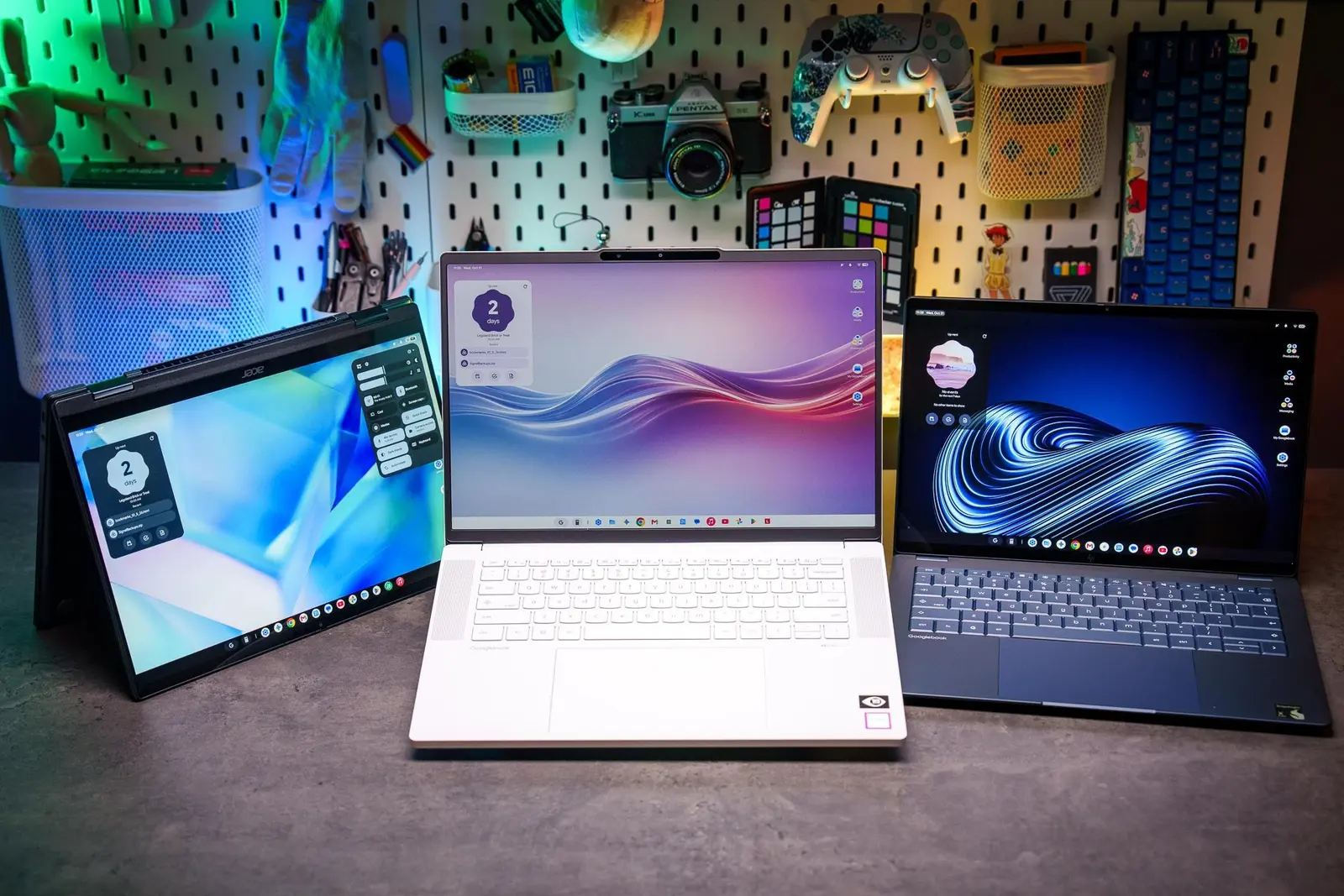 Googlebooks are not yet ready for prime time
The move to OLED could address long-standing user feedback about the MacBook Pro's heft, particularly for those who frequently carry the laptop between locations. Analysts suggest that eliminating the traditional LCD backlight layer allows for a lighter panel, which may also improve contrast and energy efficiency. However, concerns persist about how these changes might affect battery life and overall cost, as OLED technology often comes with a premium price tag and potential power draw challenges under heavy usage.
What Trade-Offs Might Users Face?
Industry observers note that a lighter MacBook Pro could reshape workflows for creatives and developers who rely on mobility. Reduced weight may lessen strain during commutes or travel, making the device more appealing for field work. Some speculate that Apple might pair the OLED screen with updated M-series chips to balance performance and efficiency, though no official confirmation has been given. Early leaks suggest the display will maintain the same resolution and color accuracy users expect, while potentially offering deeper blacks and more vibrant visuals.
Despite the excitement around weight reduction, questions remain about whether the OLED transition will lead to shorter battery endurance or higher repair costs. OLED screens can be more susceptible to burn-in over time, though modern implementations often include mitigation techniques. Apple has not publicly addressed these concerns, leaving users to weigh the benefits of portability against potential long-term reliability and affordability issues. The company’s historical pricing strategy suggests the new model could sit at the upper end of the current MacBook Pro range.
Will the OLED MacBook Pro be more expensive than current models? Yes, the shift to OLED technology typically increases manufacturing costs, which Apple is likely to pass on to consumers through a higher retail price compared to existing MacBook Pro variants.
Frequently Asked Questions
Could the lighter design affect durability? While a lighter build improves portability, Apple is expected to maintain its standard build quality using aerospace-grade aluminum, so structural integrity should not be compromised despite the weight reduction.
Is battery life expected to improve or decrease with OLED? OLED displays can be more power-efficient when showing dark content but may consume more energy with bright, colorful images, making net battery impact dependent on usage patterns.
Comments
Leave a comment