What Features Require an i Cloud+ Subscription?
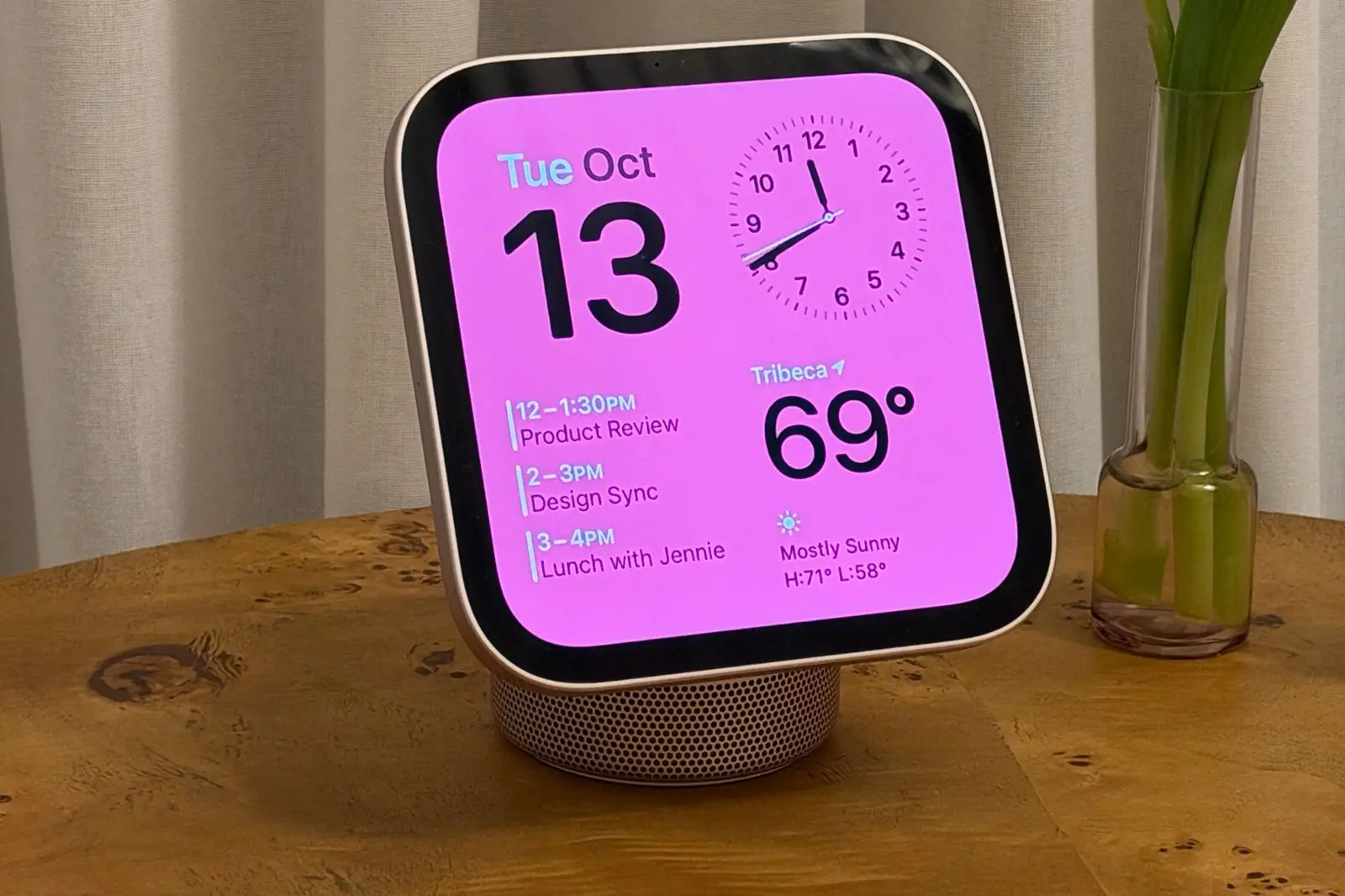
Apple’s new AI-powered home hub, the HomeView, is officially shipping on November 13. Featuring a 7-inch touchscreen and available in wall-mounted or tabletop versions, the device is priced at $299 in the US, £299 in the UK, and AU$449 in Australia. Despite its accessible entry price, the HomeView requires additional Apple ecosystem components to unlock its full capabilities, meaning the advertised cost does not reflect the total investment needed for optimal use.
Latest news
 Anthropic Unveils Claude Duet For Background AI Tasks
 Eiliko Creator Hires Independent Security Firm After Flawy Robot Charm Exposed
 Musk Compares Optimus Robot Training to Raising a Toddler
 Atari VCS Software Store Closes in February 2027
The HomeView is designed to serve as a central interface for managing smart home devices, particularly Apple’s HomeKit ecosystem. It can display live feeds from compatible security cameras, control lighting and climate systems, and provide visual responses to Siri requests. However, core functionality such as remote access, advanced automation, and i Cloud-based storage for camera footage depends on an active i Cloud+ subscription and an i Phone for initial setup and ongoing management. Without these, users are limited to basic local controls and cannot access features like facial recognition in video clips or secure off-site storage.
While the HomeView can operate as a local touchscreen panel without extra services, its most valuable features are tied to Apple’s cloud infrastructure. Users who want to review camera history beyond 24 hours, receive intelligent alerts based on activity zones, or enable HomeKit Secure Video encryption must subscribe to i Cloud+. The lowest tier starts at $0.99 per month for 50GB of storage, which supports one camera. Higher tiers are needed for multiple cameras or longer retention periods. Apple has not disclosed whether future software updates will expand offline capabilities, but current documentation emphasizes reliance on its cloud services for AI processing and data security.
How Does the HomeView Compare to Competitors?
Unlike Amazon’s Echo Show or Google’s Nest Hub Max, which offer some functionality without mandatory subscriptions, the HomeView’s dependence on i Cloud+ creates a recurring cost barrier. Competitors often provide free cloud storage for limited clip lengths or allow local storage options via USB or SD card. Apple’s approach prioritizes privacy and end-to-end encryption, which it argues justifies the subscription model. Still, the lack of a standalone mode may deter users invested in non-Apple smart home systems or those seeking a one-time purchase with no ongoing fees.
Early reviews note the HomeView’s polished interface and seamless integration with iOS devices, but also highlight frustration over the hidden cost of essential features. Analysts suggest Apple may be using the low hardware price to drive adoption of its services ecosystem, a strategy consistent with its broader push toward services revenue. Whether consumers will accept the subscription requirement remains to be seen, particularly as smart home buyers increasingly favor flexibility and cross-platform compatibility.
Frequently Asked Questions
Do I need an i Phone to use the HomeView? Yes, an i Phone is required for initial setup, configuration, and ongoing management of the HomeView through the Home app. The device does not support standalone operation without an iOS device nearby for pairing and authentication.
Can I use the HomeView with non-Apple security cameras? Only cameras that support HomeKit Secure Video can be viewed and managed through the HomeView. Third-party cameras not certified for HomeKit will not appear in the interface, regardless of subscription status.
Is the i Cloud+ subscription mandatory for all camera features? Basic live viewing may work without i Cloud+, but recording, smart alerts, and access to video history require an active i Cloud+ plan. The lowest storage tier supports one camera; additional cameras or longer retention need higher-tier subscriptions.
Comments
Leave a comment