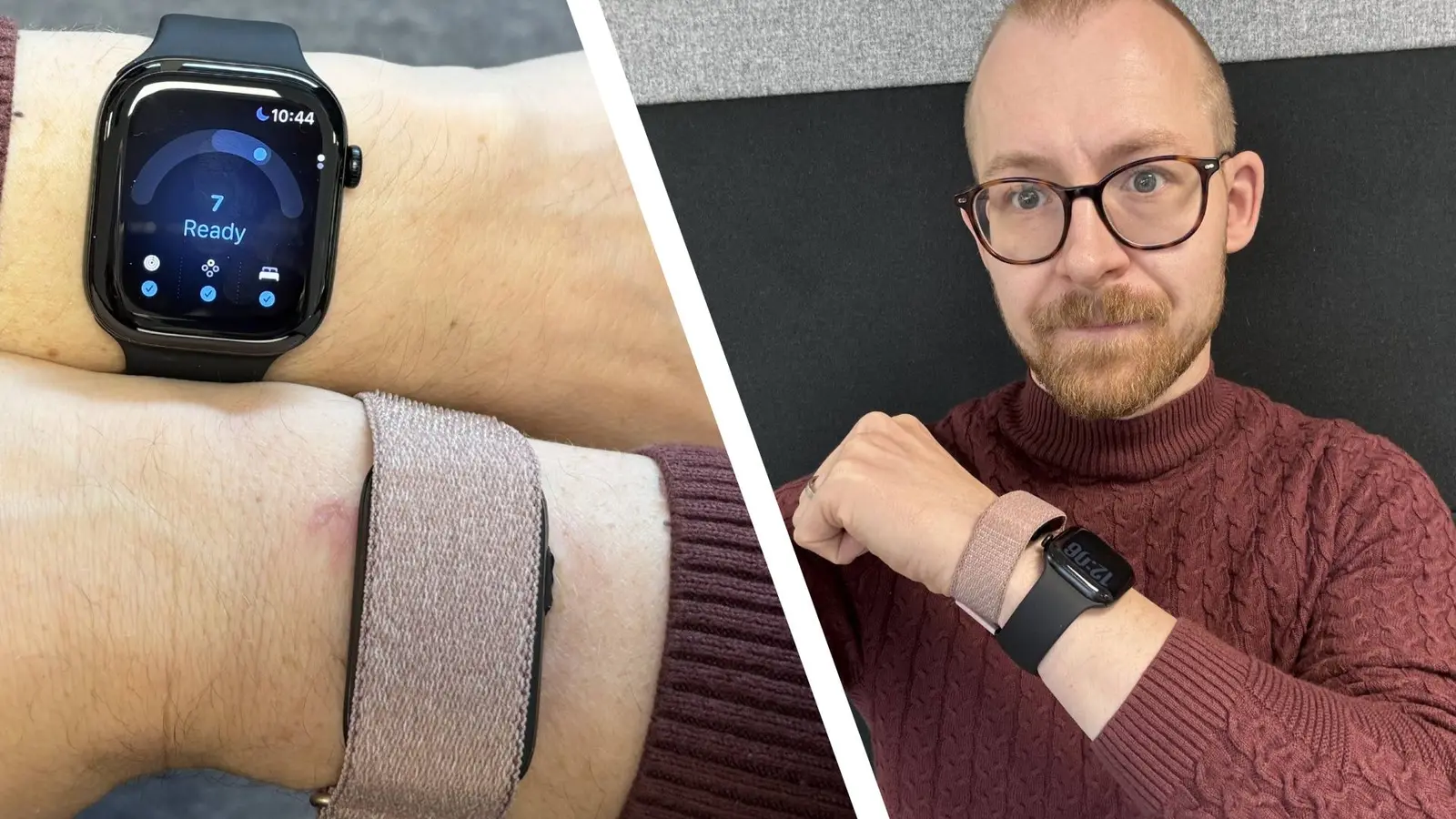
How Readiness Metrics Shape the Numbers
Over seven consecutive days in early October 2026, I wore both the Apple Watch Series 12 and the Garmin Cirqa smartwatch to track and compare my nightly sleep scores. The goal was to assess how these two leading consumer wearables align—or diverge—in measuring rest quality, duration, and recovery metrics under real-world conditions. Each device was worn consistently on the same wrist, with data synced nightly to their respective companion apps for analysis.
Latest news
 Corsair Vengeance DDR5-6000 Kit Offers Ideal Speed for AMD Builds
 Hide.me VPN releases major Android update
 Hackers launch massive PHP2Shell attack wave
 Googlebooks are not yet ready for prime time
Both watches use similar core sensors—accelerometry, heart rate variability, and skin temperature—to estimate sleep stages and generate a composite sleep score. However, their algorithms differ in weighting these inputs, leading to noticeable day-to-day variations. While the overall trend in my sleep patterns—such as longer rest on weekends and lower scores after late evenings—was consistent across both devices, the actual numerical scores often diverged by 5 to 15 points. The Apple Watch tended to report higher scores on nights with deep sleep dominance, whereas the Garmin Cirqa placed greater emphasis on recovery readiness, sometimes lowering scores even when sleep duration was adequate.
The Garmin Cirqa integrates a Body Batteryand readiness score into its sleep analysis, factoring in prior day’s activity, stress levels, and heart rate variability trends. This means a night of solid sleep might still yield a moderate score if the system detects lingering fatigue. In contrast, the Apple Watch Series 12 focuses more narrowly on sleep architecture—time spent in REM, deep, and light stages—without incorporating broader readiness indicators. As a result, I noticed the Garmin often gave a more conservative assessment, especially after intense workouts or stressful days, while the Apple Watch reflected sleep quality in isolation.
Can Two Devices Ever Agree on Sleep?
One evening after a late workout, the Garmin Cirqa scored my sleep at 72 despite 7.5 hours of rest, citing elevated heart rate variability suppression. The Apple Watch, meanwhile, gave a score of 84, highlighting strong deep sleep percentage. This divergence highlights a philosophical difference: Garmin frames sleep as part of recovery ecology; Apple treats it as a standalone physiological event.
Despite the discrepancies, both wearables showed strong correlation in detecting sleep onset, wake times, and major disruptions. When I woke up feeling unrested, both devices registered lower scores—just not always the same number. The consistency in trend direction suggests that while absolute scores may not be interchangeable, the directional feedback is reliable for personal tracking. Over the week, my average sleep score was 78 on Apple Watch and 74 on Garmin Cirqa, a difference likely attributable to algorithmic tuning rather than sensor inaccuracy.
For users focused on optimizing sleep hygiene, either device offers valuable insight. But those using wearables for holistic recovery management—especially athletes or high-stress professionals—may find the Garmin’s integrated readiness lens more actionable. The Apple Watch excels in simplicity and ecosystem integration, particularly for i Phone users seeking seamless health data aggregation.
Frequently Asked Questions
Which watch is more accurate for measuring sleep stages? Neither device claims medical-grade precision, but both use validated sensor arrays. Independent studies suggest consumer wearables reliably detect sleep vs. wake but vary in staging accuracy. For comparative tracking, consistency with one device matters more than absolute correctness.
Can I trust the readiness score on the Garmin Cirqa? The readiness score is a proprietary metric combining sleep, activity, and physiological signals. While not a diagnostic tool, it offers useful context for managing daily exertion. Many users find it helpful for avoiding overtraining, though it should complement—not replace—subjective feelings of fatigue.
Will future updates reduce the differences between these devices? Algorithm updates are frequent, and both companies refine their models based on user data and research. Convergence in scoring is possible, but philosophical differences in what constitutes good sleepmay persist. Apple may continue prioritizing sleep isolation, while Garmin emphasizes recovery integration.
Comments
Leave a comment