Internal testing has focused on user comfort during extended wear, a frequent
Apple is developing a completely redesigned Vision Pro mixed-reality headset, with engineers evaluating four distinct concepts for the device's future form. The project, reported by Bloomberg's Mark Gurman in his Power On newsletter on September 28, 2026, indicates the next iteration will not launch before late 2028 or early 2029. Apple aims to address current limitations of the Vision Pro, particularly its weight and cost, while expanding its appeal beyond early adopters. The four directions under consideration include a lighter tethered model that offloads processing to an external device, a standalone version with improved battery life, a more affordable variant using lower-cost materials, and a premium model featuring advanced displays and sensors. Gurman notes that Apple is rethinking the headset's architecture to reduce reliance on expensive components like the external battery pack and dual-chip system.
Latest news
 Why the Rumored iPhone Duo Excites Android Foldable Fans
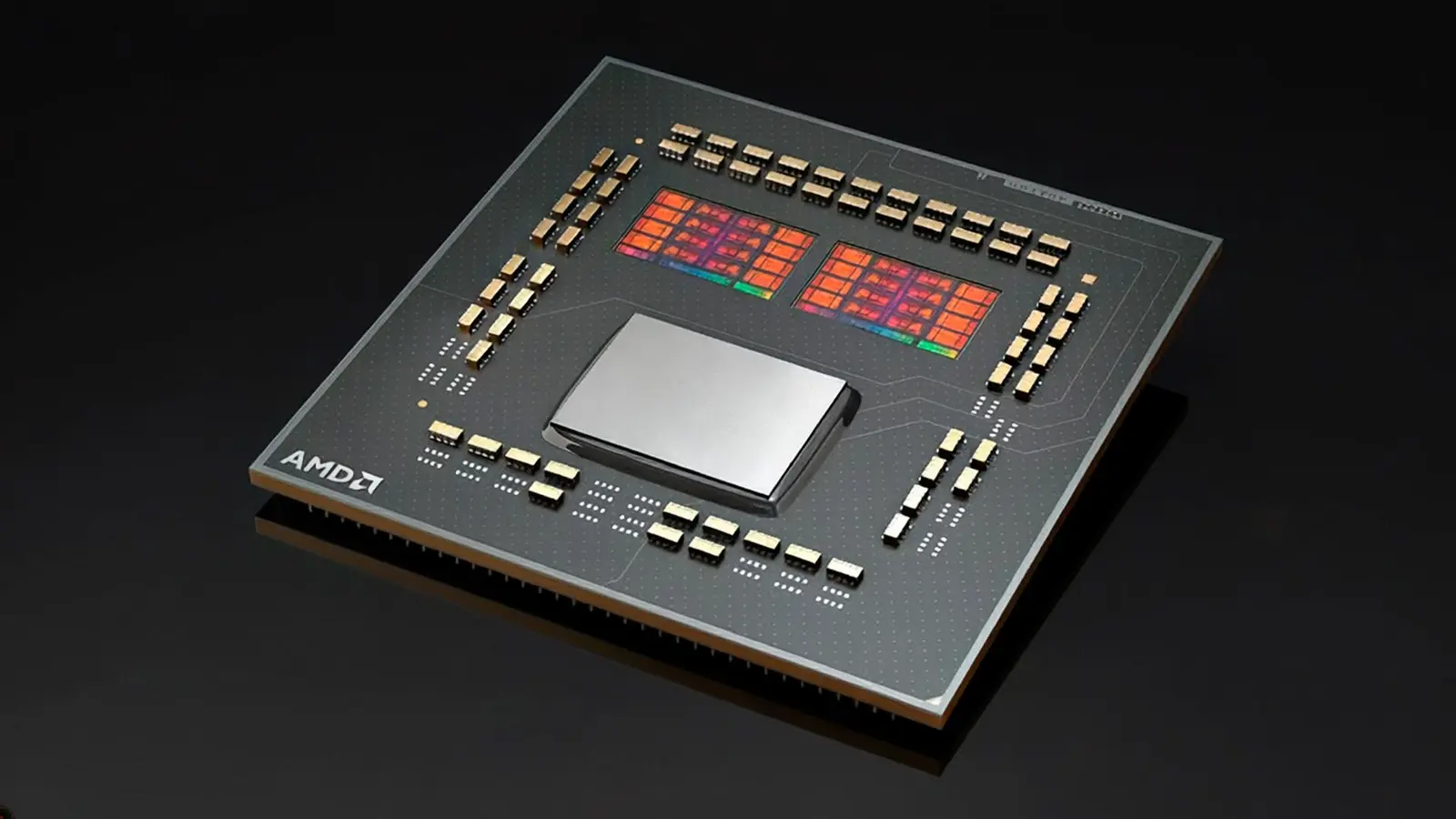 AMD's Canceled Ryzen 9 5900X3D Leaks Online
 California Subpoenas OpenAI Over Autonomous AI Hacking Risks
 Nvidia-Backed UK Supercomputer Faces Multi-Year Power Delay
Internal testing has focused on user comfort during extended wear, a frequent criticism of the current generation. The company is also exploring new interaction methods that could reduce dependence on hand tracking alone. How Apple Plans to Reduce Vision Pro's Weight and Cost Engineers are prioritizing weight reduction as a key factor in the redesign, targeting a device under 300 grams compared to the current model's approximately 600 grams. One approach involves shifting computational tasks to a paired i Phone or Mac, similar to how some smart glasses operate. Another concept examines using a single, more efficient Apple silicon chip instead of the M2 and R1 combination.
Material substitutions, such as replacing aluminum frames with reinforced
Material substitutions, such as replacing aluminum frames with reinforced polymers, are also being evaluated to lower production expenses without compromising durability. What Features Might Be Sacrificed in a More Affordable Vision Pro? A lower-priced version could feature reduced display resolution or a narrower field of view to cut costs, while maintaining core mixed-reality capabilities. Apple may opt for LCD panels instead of the current micro-OLED screens in the budget model, accepting slightly lower contrast and brightness. Tracking precision might be adjusted using fewer external cameras, though internal sensors for eye and hand movement would likely remain intact. The goal is to create an entry-point device that still supports spatial computing apps and FaceTime integration, albeit with fewer premium enhancements. Frequently Asked Questions When is the next Vision Pro expected to launch?
Based on current development timelines, Apple does not anticipate releasing the redesigned headset before late 2028, with a possible rollout in early 2029. Will the new Vision Pro be compatible with existing apps? Apple intends to maintain backward compatibility with current visionOS applications, ensuring users can access their existing software library on the updated hardware.
Comments
Leave a comment