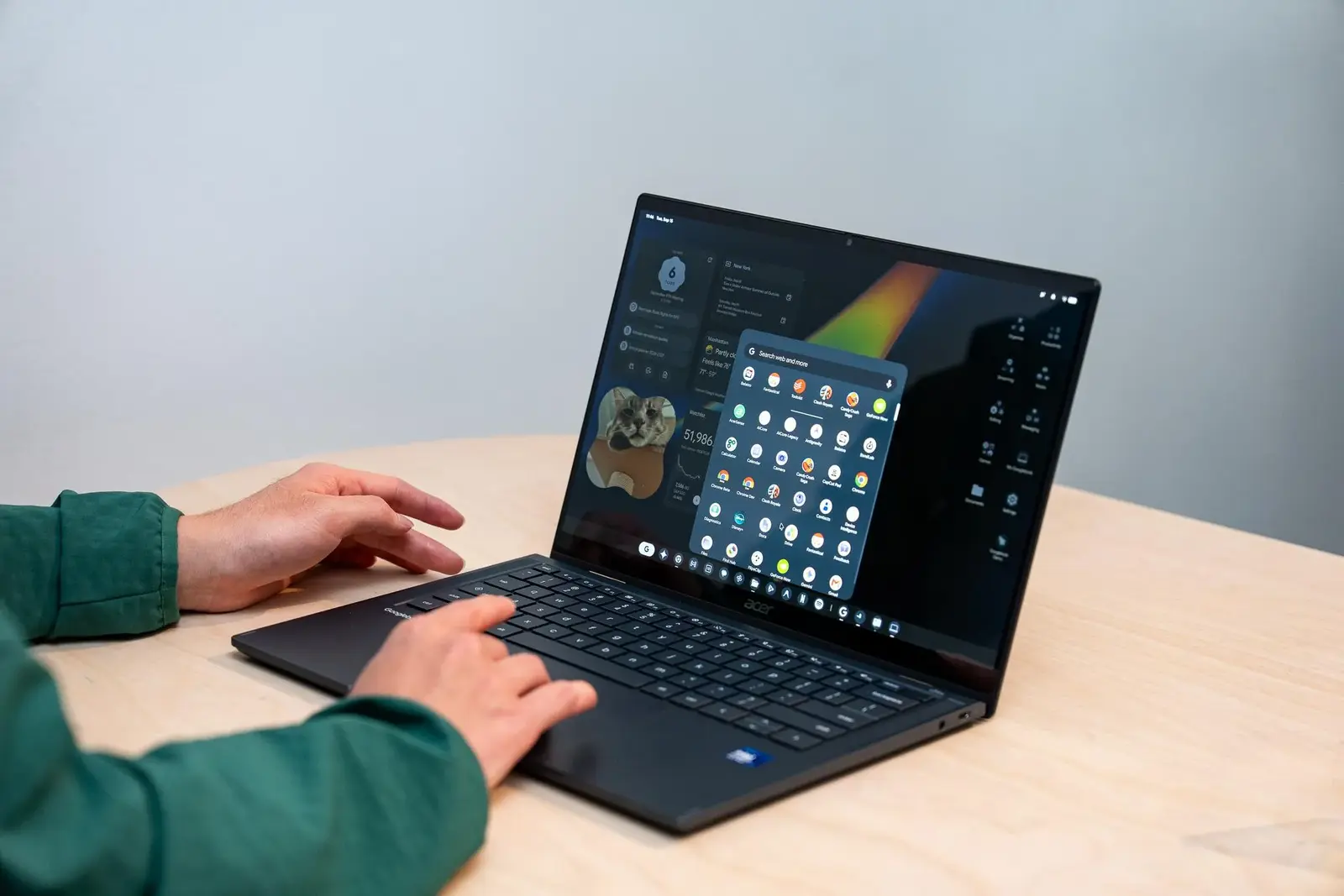
Redefining the Physical Interface
Google recently showcased its ambitious concepts for the future of personal computing devices. The tech giant presented prototypes designed to redefine how users interact with digital interfaces. These new models prioritize intuitive hardware design over traditional keyboard layouts. The company aims to create a seamless blend of physical controls and software intelligence. This initiative signals a significant shift in laptop engineering priorities.
Latest news
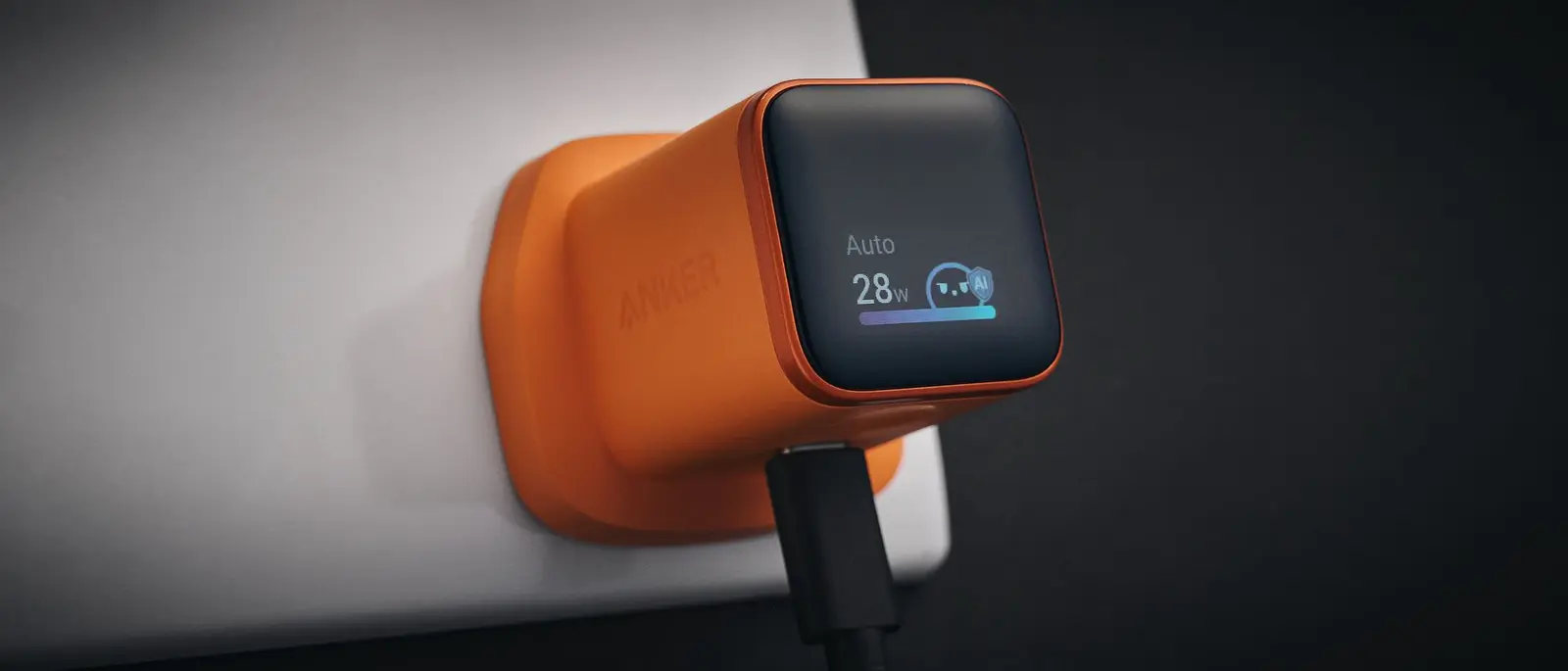 Anker Unveils Playful 45W Charger With Animated Face Display
 Google Docs Web Version Still Missing Native Dark Mode
 Anthropic-Linked Vulnerability Exploited From China, Targets US and Japan
 Text‑Based AI Agents: Your New Digital Assistants
The new hardware design feels immediately familiar and comfortable to users. Google focused heavily on ergonomics and tactile feedback during the development process. Engineers removed unnecessary buttons to streamline the user experience. The chassis integrates advanced sensors that respond to subtle hand movements. This approach reduces friction between human intent and machine execution. The result is a device that anticipates user needs before they are explicitly stated.
Will AI Drive Hardware Evolution?
The core innovation lies in the replacement of standard trackpads with dynamic surfaces. These areas adjust their texture and sensitivity based on the active application. Users can switch between precise cursor control and gesture-based navigation instantly. The system learns individual preferences over time, adapting to specific workflows. This adaptive technology minimizes the learning curve for new professionals. It also enhances accessibility for individuals with motor impairments. The hardware remains lightweight despite the addition of complex internal components.
Artificial intelligence serves as the backbone for these new features. Machine learning algorithms process input data locally to ensure privacy. This local processing reduces latency and improves overall responsiveness. Google emphasizes that the AI runs on dedicated silicon within the device. This setup allows for continuous background optimization without draining battery life. The integration creates a symbiotic relationship between software and hardware components. Users benefit from a system that evolves alongside their changing needs.
The prototypes demonstrate a clear departure from decades of stagnant laptop design. Industry analysts suggest this could trigger a wave of innovation among competitors. Manufacturers may need to rethink their own product roadmaps quickly. The focus on adaptive interfaces sets a new standard for usability. Consumers will likely expect similar features in upcoming releases from other brands. This trend points toward a future where devices are truly personalized.
Frequently Asked Questions
How does the adaptive surface work? The surface uses micro-electromechanical systems to change texture dynamically. It detects pressure and movement patterns to switch modes automatically. This eliminates the need for manual setting adjustments during use.
Is the AI processing done in the cloud? No, the primary intelligence runs on local dedicated silicon. This ensures faster response times and better data privacy. Cloud connectivity is optional for syncing preferences across multiple devices.
Comments
Leave a comment